





The Most Cost-Effective Options for Grave Marker Materials

Losing a loved one is undeniably one of the most emotionally devastating experiences a person can go through. Amidst the grief and the difficult process of saying goodbye, families are often confronted with the staggering financial realities of funeral planning. From the service to the burial plot, expenses can quickly accumulate, leaving many searching for ways to honor their departed loved ones without compromising their own financial stability. One of the most significant post-funeral expenses is the grave marker—a lasting tribute designed to stand the test of time.
When searching for the most cost-effective options for grave marker materials, it is crucial to understand that “cost-effective” does not simply mean “the cheapest.” True cost-effectiveness is found at the intersection of the initial purchase price, long-term durability, and ongoing maintenance requirements. A material that is incredibly cheap upfront but crumbles within a decade will ultimately cost the family more in replacement fees and emotional distress. Conversely, a material that requires a slightly higher initial investment but lasts for centuries without maintenance represents excellent value.
This comprehensive guide will explore the most common and accessible grave marker materials, breaking down their costs, longevity, and overall value to help you make an informed and financially sound decision during a difficult time.
Understanding the True Meaning of Cost-Effectiveness
Before diving into specific materials, we must establish the criteria that dictate the final price of a headstone or memorial. The material itself is only one part of the equation. The final cost of a grave marker is heavily influenced by:
-
Size and Shape: A simple, flat flush marker will always cost significantly less than a large, upright monument, regardless of the material used. Less material equals less cost.
-
Color and Rarity: In natural stones, standard local colors (like basic gray) are abundant and inexpensive. Rare colors imported from overseas (like pure black or vivid blue) command premium prices.
-
Customization and Engraving: The complexity of the design, the number of letters engraved, and the inclusion of ceramic photos or custom etchings all add to the final bill.
-
Maintenance Needs: Materials that require frequent cleaning, sealing, or restoration lose their cost-effectiveness over time.
By keeping these factors in mind, families can navigate the options below with a clearer understanding of where their money is going.
Top Cost-Effective Grave Marker Materials
1. Standard Gray Granite: The Ultimate Champion of Value
When monument builders and cemetery directors are asked for the best overall value, the answer is almost universally granite. Granite is an igneous rock formed from volcanic magma, making it incredibly dense, hard, and resistant to the elements.
-
The Cost Factor: While granite is not the absolute cheapest material on the market, it offers the highest return on investment. To keep costs low, families should opt for standard gray granite. Because it is the most commonly quarried color, it is widely available and significantly cheaper than reds, blues, or blacks.
-
Durability: Granite can withstand centuries of freezing winters, scorching summers, and acidic rain with virtually no degradation. The engravings remain sharp and legible for generations.
-
Maintenance: It requires zero professional maintenance. A simple wash with water and a soft brush every few years is enough to keep it looking brand new.
-
Verdict: Highly cost-effective. It is the gold standard for balancing an affordable initial price with permanent longevity.
2. Flat Bronze on a Granite Base: The Long-Term Investment
Bronze is a metal alloy made primarily of copper and tin. In the memorial industry, it is most frequently used for flat markers (flush to the ground) mounted on a small granite base.
-
The Cost Factor: Bronze carries a higher initial price tag than basic granite. The cost of the raw metals and the casting process makes it a premium product. However, because these markers are almost always small and flat, the total price is often comparable to a mid-sized upright granite headstone.
-
Durability: Bronze is practically indestructible. It will not chip, crack, or shatter. Over time, it will naturally oxidize, developing a green or brown patina, which many people find beautiful and dignified.
-
Maintenance: Aside from optional polishing to maintain its original shine (which requires specific chemical kits), bronze requires no structural maintenance.
-
Verdict: Cost-effective over the long term. If your cemetery requires flat markers, a bronze plaque is a one-time purchase that will never need replacing.
3. Concrete and Cast Cement: The Strict Budget Choice
For families facing extreme financial hardship, concrete or cast cement markers offer an immediate, low-cost solution. These can be purchased pre-made, or in some cases, families choose to cast them themselves using molds.
-
The Cost Factor: Concrete is exceptionally cheap. It is by far the lowest initial monetary investment for a stone-like marker.
-
Durability: This is where concrete loses its cost-effectiveness. Concrete is porous and prone to absorbing moisture. In climates with freezing and thawing cycles, the trapped water will expand, causing the concrete to crack, flake, and eventually crumble.
-
Maintenance: It requires frequent cleaning as it easily attracts dirt, moss, and lichen. To extend its life, it must be regularly treated with heavy-duty weather sealants.
-
Verdict: Not cost-effective long term, but necessary for immediate budget constraints. It should generally be viewed as a temporary marker until a granite stone can be afforded.
4. Wood: The Traditional and Temporary Tribute
Before the widespread industrialization of stone carving, wooden crosses and markers were the norm. Today, they remain an option for those seeking the absolute lowest price point or an eco-friendly, biodegradable alternative.
-
The Cost Factor: Wood is incredibly inexpensive. Many families choose to hand-craft these markers, reducing the cost to simply the price of raw lumber and a few tools.
-
Durability: Unless treated heavily with toxic chemicals, wood is entirely susceptible to rot, insect damage, and weathering. Even hard woods like oak or cedar will degrade over a few decades.
-
Maintenance: To keep a wooden marker intact, it must be sanded, stained, and waterproofed every single year.
-
Verdict: Cost-effective only if the intention is for the marker to naturally return to the earth over time, or if used as a placeholder.
A Warning: The False Economy of Marble
It is worth mentioning marble, as many people assume it is a standard choice. While visually stunning with its smooth, white finish, marble is the least cost-effective stone available. It is highly porous and soft. Acid rain literally melts the details away over time, turning crisp lettering into illegible, blurry smudges within a few decades. It is expensive to buy and deteriorates quickly, making it a poor financial choice for outdoor memorials.
Comparison of Grave Marker Materials
To easily evaluate which material suits your needs and budget, refer to the comparison table below.
| Material | Initial Cost Level | Long-Term Durability | Maintenance Required | Best Used For | Overall Value Rating |
| Standard Gray Granite | Moderate | Excellent (Centuries) | Very Low (Occasional wash) | Permanent, all-weather monuments | ⭐⭐⭐⭐⭐ |
| Bronze (Flat Marker) | Moderate to High | Excellent (Indestructible) | Low (Optional polishing) | Flat/Flush cemetery sections | ⭐⭐⭐⭐ |
| Concrete / Cement | Very Low | Poor (Prone to cracking) | High (Sealing, moss removal) | Temporary or strict-budget markers | ⭐⭐ |
| Treated Wood | Extremely Low | Very Poor (Rots over time) | Very High (Annual sealing) | Eco-burials or temporary tributes | ⭐ |
| Marble | High | Poor (Dissolves in acid rain) | High (Specialized cleaning) | Indoor mausoleums only | ⭐ |
Hidden Costs and Cemetery Regulations
When budgeting for a grave marker, the price of the material is only half the battle. Cemeteries have strict rules and hidden fees that can severely impact your budget. Before you buy anything, you must ask the cemetery director the following questions:
-
What are your size and style restrictions? Many modern cemeteries are “memorial parks” that only allow flat, flush-to-the-ground markers (usually bronze or granite) to make mowing the grass easier. If you buy a beautiful, cost-effective upright granite headstone, the cemetery may refuse to install it.
-
What are the installation and foundation fees? Cemeteries usually require a concrete foundation to be poured beneath a heavy stone to prevent it from sinking into the earth. The cemetery often mandates that they pour this foundation, and they will charge a hefty fee for it (often ranging from $200 to $800 depending on the size of the stone).
-
Is there a setting fee? Even if you buy your stone from an affordable online retailer, the cemetery will charge a “setting fee” to receive the stone and place it on the grave.
-
Are there perpetual care fees? Some cemeteries charge a mandatory upfront fee that goes into a trust fund used to maintain the cemetery grounds indefinitely.
Actionable Tips to Maximize Your Budget
If you want to ensure you are getting the absolute best value for your money, follow these actionable tips:
-
Do Not Buy Immediately: You do not have to purchase a headstone immediately after the funeral. It is perfectly acceptable, and often recommended, to wait six months to a year. This gives the earth time to settle over the grave (preventing the stone from sinking) and gives you time to save money and shop around without the pressure of fresh grief.
-
Shop Outside the Funeral Home: Funeral homes and cemeteries often sell headstones, but they act as middlemen, marking up the prices significantly. You will almost always find a more cost-effective option by going directly to an independent local monument builder or by shopping with reputable online memorial dealers. Just ensure the online dealer ships directly to the cemetery.
-
Embrace Minimalism in Design: The most cost-effective way to buy a high-quality material like granite is to keep the design simple. Avoid complex, custom-carved shapes (like hearts, angels, or crosses). Stick to standard rectangles (flush, bevel, or slant).
-
Watch Your Word Count: Engraving costs money. Some builders charge by the letter, while others offer a standard package of words (e.g., Name, Dates, and a short 5-word epitaph) and charge heavily for anything beyond that. Keep the inscription meaningful but brief.
-
Choose “Polished Top Only”: When buying granite, the polishing process takes time and money. A stone that is polished on all five exposed sides will be much more expensive. Opt for a marker where only the top face (where the name goes) is polished, leaving the sides “rock pitched” (rough and natural). This looks beautiful and saves a considerable amount of money.
Conclusion
Choosing a grave marker is a deeply personal decision, and there is no right or wrong way to remember someone you loved. However, when navigating the financial aspects of this process, standard gray granite emerges as the undisputed champion of cost-effectiveness. It provides the dignity, beauty, and absolute permanence that families desire, without the exorbitant costs associated with rare stones or the rapid deterioration of cheap alternatives like concrete.
By understanding the properties of these materials, keeping designs simple, and communicating clearly with your cemetery about their fees and regulations, you can secure a beautiful, lasting memorial that honors your loved one’s legacy without causing unnecessary financial strain. Remember that the value of a memorial is not dictated by its price tag, but by the love and memory it represents.
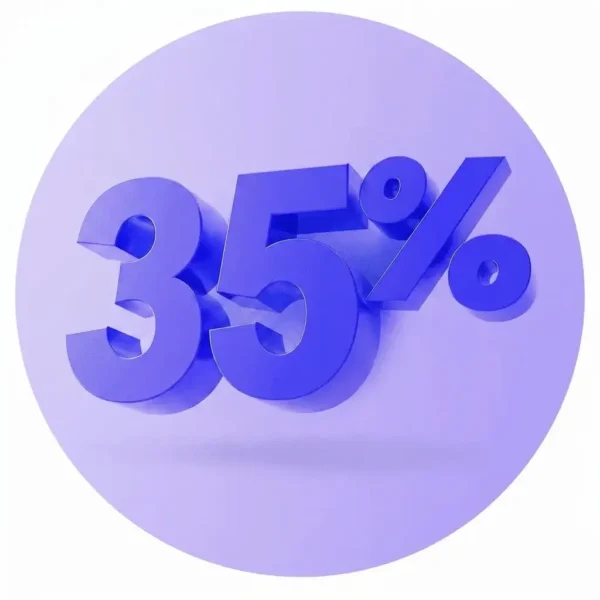


 SUMMER SALE — 35% OFF IN-STOCK PRODUCTS WITH FULL PAYMENT — PROMOTION EXTENDED THROUGH AUGUST 31!
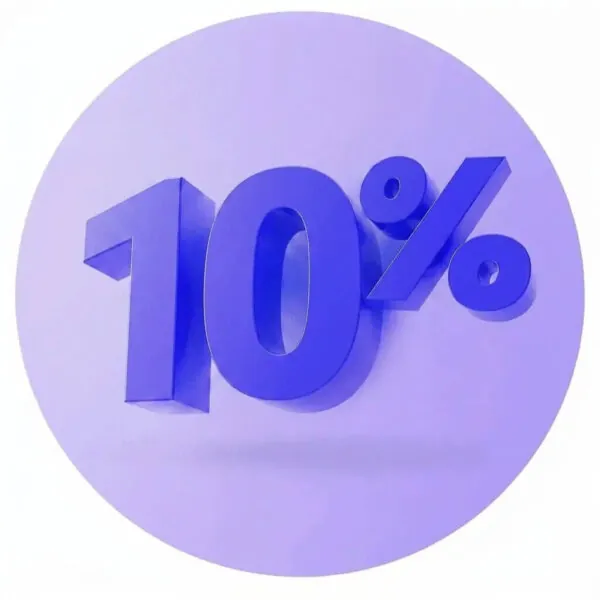
 10% OFF on installment plans
