





Grave Markers Compared: Bronze vs Granite Options

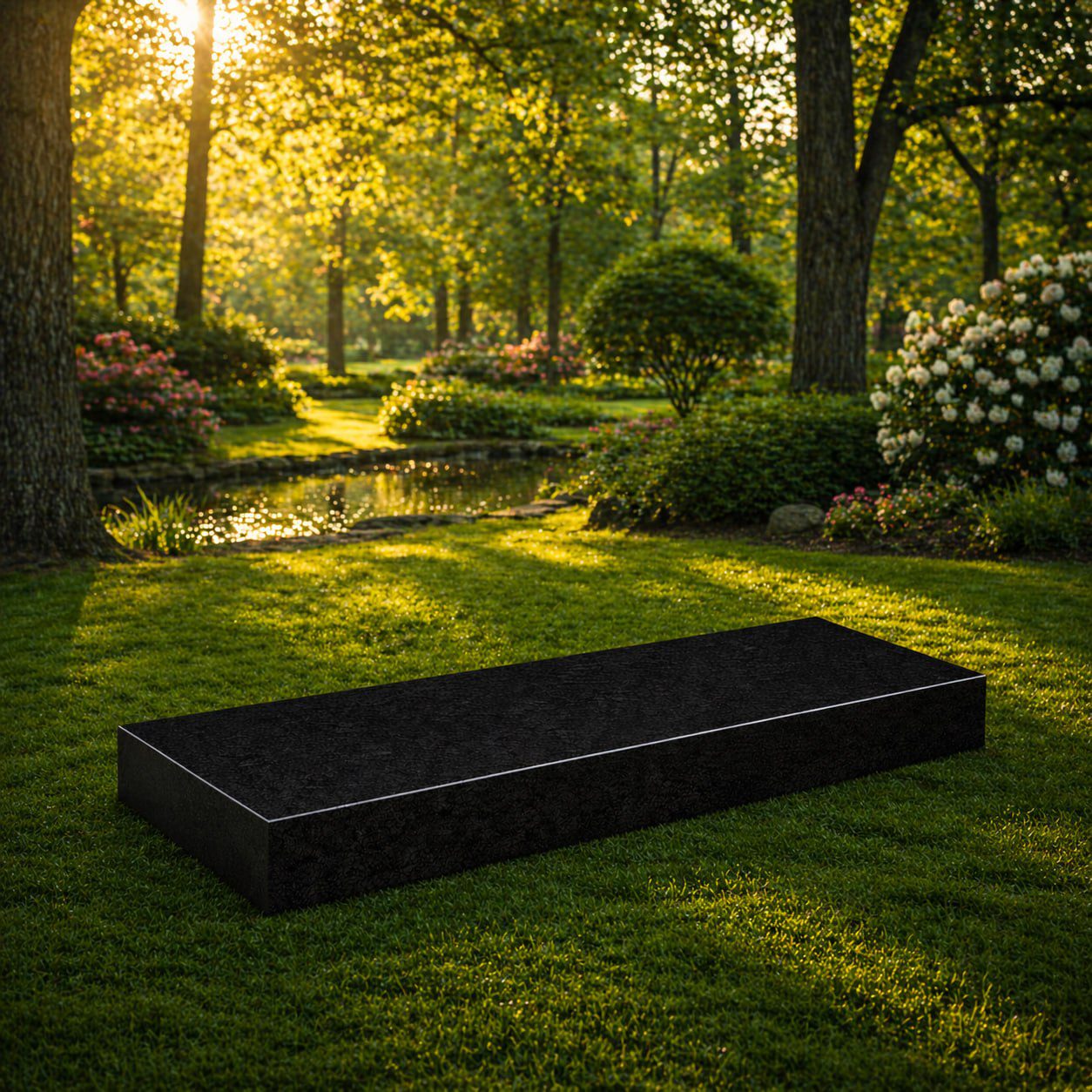
Choosing a permanent memorial for a loved one is a profound responsibility. The material you select serves as the foundation for a legacy that will stand for generations. While several options exist in the memorial industry, the two most prominent contenders are bronze and granite. Each offers a distinct aesthetic and set of characteristics, but when analyzed through the lenses of longevity, maintenance, and versatility, granite often emerges as the superior choice for those seeking a timeless tribute.
The Timeless Elegance of Granite
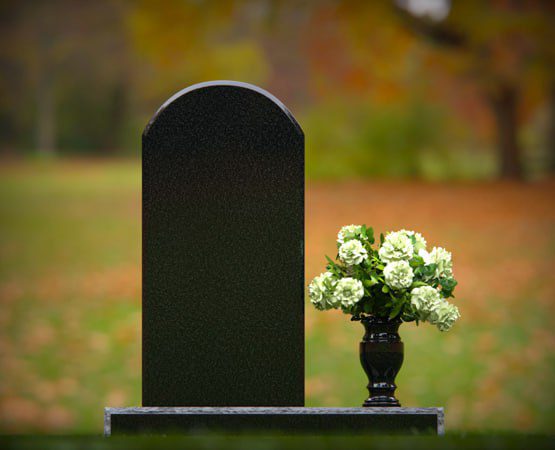
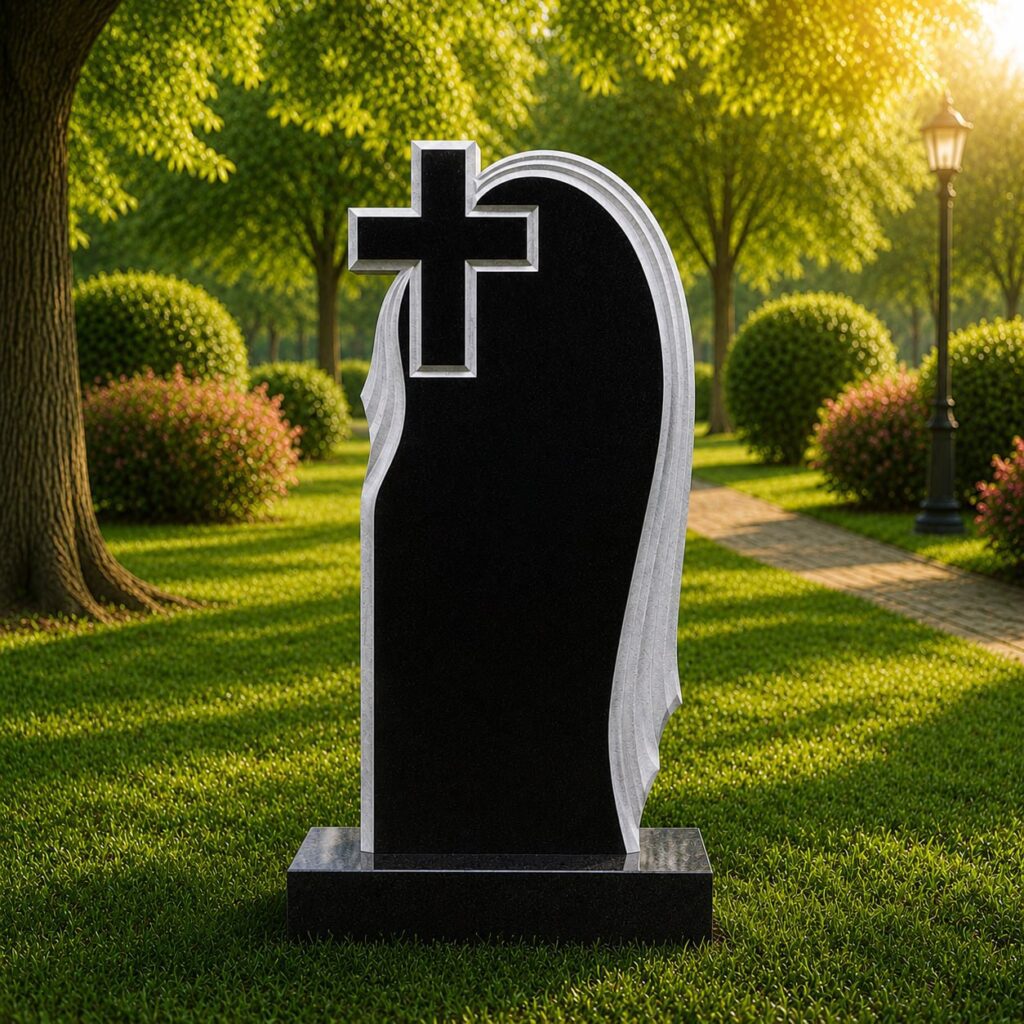
Granite is a natural igneous rock, formed under extreme pressure and heat deep within the earth’s crust. This geological origin grants it an inherent hardness and durability that few other materials can match. For centuries, granite has been the standard for monuments, and for good reason.
Why Granite Leads the Industry
-
Exceptional Durability: Granite is highly resistant to scratching, chipping, and the corrosive effects of acidic rain or extreme temperature shifts.
-
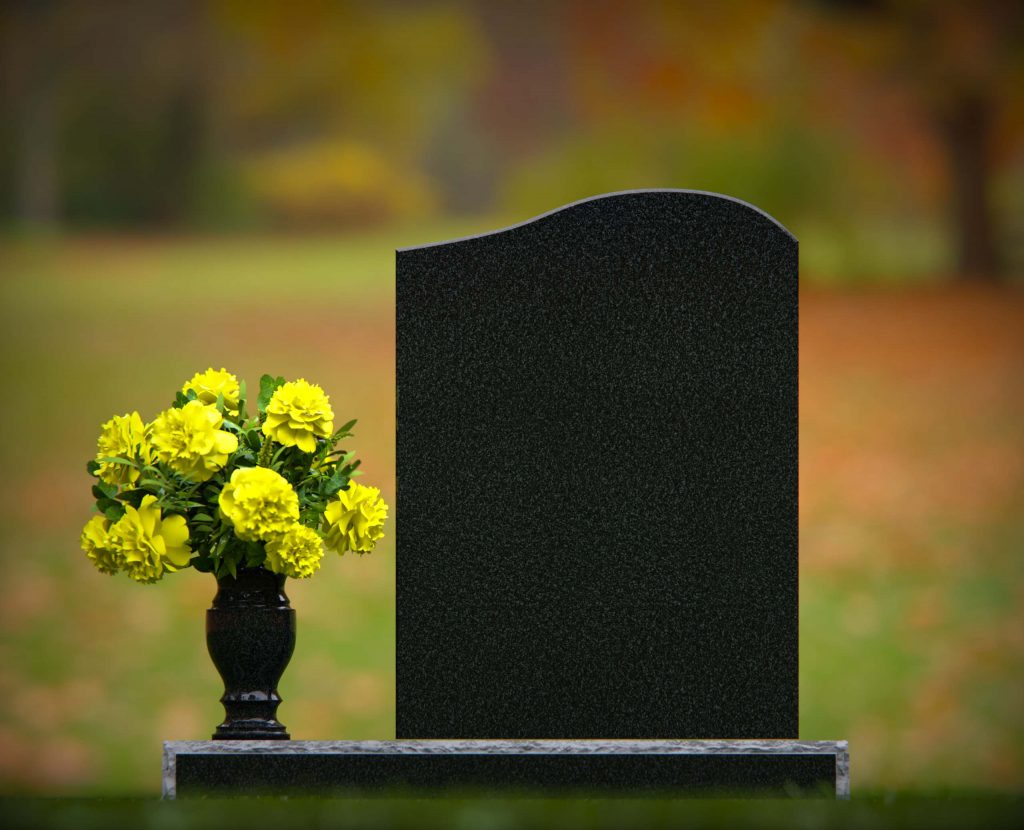
Color Diversity: Unlike manufactured materials, granite comes in a vast array of natural hues—from deep “Jet Black” and “India Red” to classic “Barre Gray” and “Blue Pearl.”
-
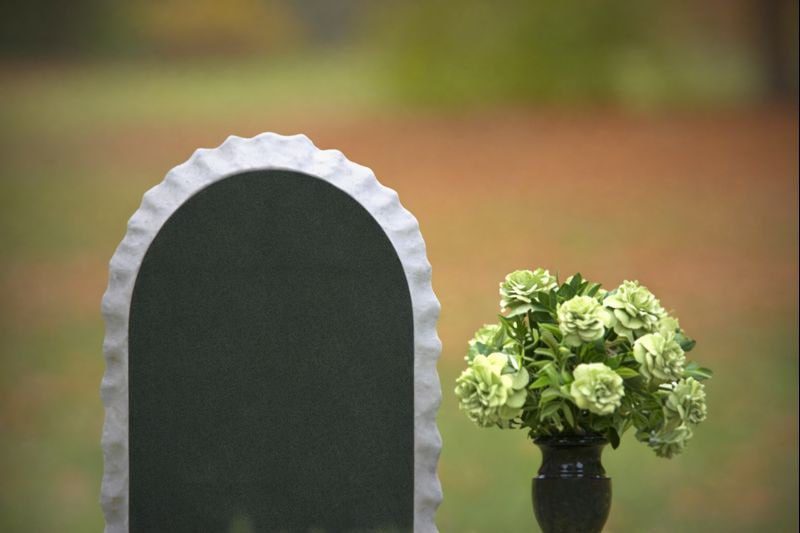
Design Versatility: It can be polished to a mirror-like shine, left with a natural “rock pitch” edge, or etched with intricate, laser-sharp portraits.
-
Low Maintenance: A simple cleaning with water and a soft brush is usually all that is required to restore its original luster even decades after installation.
The Character of Bronze Memorials
Bronze, often referred to as the “eternal metal,” is an alloy primarily composed of copper and tin. It has been used for commemorative plaques and statues for millennia. In modern cemeteries, bronze markers are typically flat and mounted on a base (often made of granite).
Characteristics of Bronze
-
Uniform Appearance: Bronze markers offer a consistent, classic look that many find dignified, especially in “memorial park” style cemeteries where upright headstones are not permitted.
-
Detailed Casting: Because bronze is cast from a mold, it allows for raised lettering and 3D emblems that provide a tactile, sculptural quality.
-
The Patina Effect: Over time, bronze undergoes a natural oxidation process, developing a greenish or dark brown film known as a patina. While some appreciate this antique look, others find it obscures the original design.
Side-by-Side Comparison: Granite vs. Bronze
To help you make an informed decision, the following table summarizes the performance of these materials across key categories.
| Feature | Granite Grave Markers | Bronze Grave Markers |
| Durability | Extremely High (lasts centuries) | High (subject to oxidation/patina) |
| Maintenance | Minimal (water and soft cloth) | Periodic (requires specialized coating) |
| Customization | Infinite colors, shapes, and etchings | Limited to casting molds and finishes |
| Visual Impact | High contrast, vibrant natural patterns | Warm metallic tones, sculptural feel |
| Weather Resistance | Excellent (impermeable to moisture) | Good (can stain from hard water/mowers) |
| Cost Value | High (more affordable for size) | Moderate (prices fluctuate with metal markets) |

Longevity and Environmental Impact
When we speak of “eternal” memorials, granite is the closest we get to that ideal. Because it is a natural stone, it does not “expire.” A granite marker placed today will look substantially the same in 200 years. Granite is non-porous, meaning it does not absorb moisture that can freeze and crack the stone from within.
Bronze, while durable, is an active metal. In environments with high humidity or salt spray (near coastal areas), the oxidation process accelerates. Furthermore, bronze markers are often targeted by thieves for their scrap metal value—a tragic reality that rarely affects granite memorials.
Maintenance: Keeping the Memory Bright
One of the most significant advantages of granite is its ease of care. Over years of exposure to the elements, granite may accumulate a layer of dust, lichen, or hard water deposits. However, because the material is so hard, these can be removed without damaging the underlying stone.
Bronze requires a more rigorous maintenance schedule to maintain its “new” look. Most bronze markers are finished with a clear protective lacquer. Once this lacquer breaks down—usually within 5 to 10 years—the metal begins to darken. Restoring a bronze marker involves professional cleaning, buffing, and re-lacquering, which can be a costly and recurring expense.
Making the Final Choice
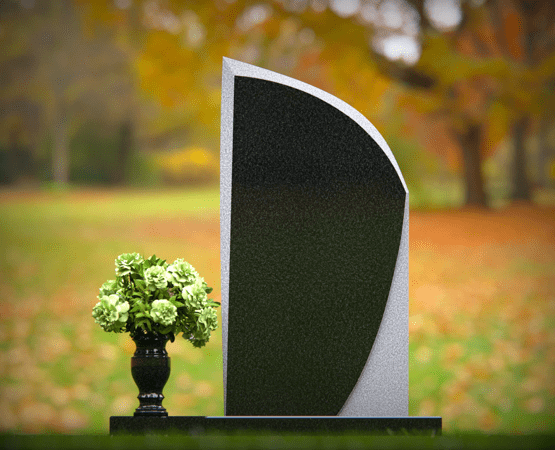
While bronze has its place in specific cemetery layouts, granite remains the gold standard for versatility and permanence. Its ability to be shaped into upright monuments, slant markers, or flat grass-level stones makes it adaptable to any cemetery regulation.
When you choose granite, you are choosing a piece of the earth itself—a solid, unyielding symbol of a life well-lived. It offers a canvas for storytelling through laser etching and sandblasting that bronze simply cannot replicate with the same level of detail and color contrast.
Key Takeaways for Families:
-
Check Cemetery Rules: Some “Memorial Parks” mandate flat bronze markers; however, most allow granite.
-
Consider the Portrait: If you want a detailed photo of your loved one, granite etching is far more lifelike than a bronze cast.
-
Think Long-Term: Granite requires the least amount of “heavy lifting” for future generations to keep the gravesite looking pristine.



 SUMMER SALE — 35% OFF IN-STOCK PRODUCTS WITH FULL PAYMENT — PROMOTION EXTENDED THROUGH AUGUST 31!
 10% OFF on installment plans
