





Personalized Headstones That Say More Than a Name and Two Dates

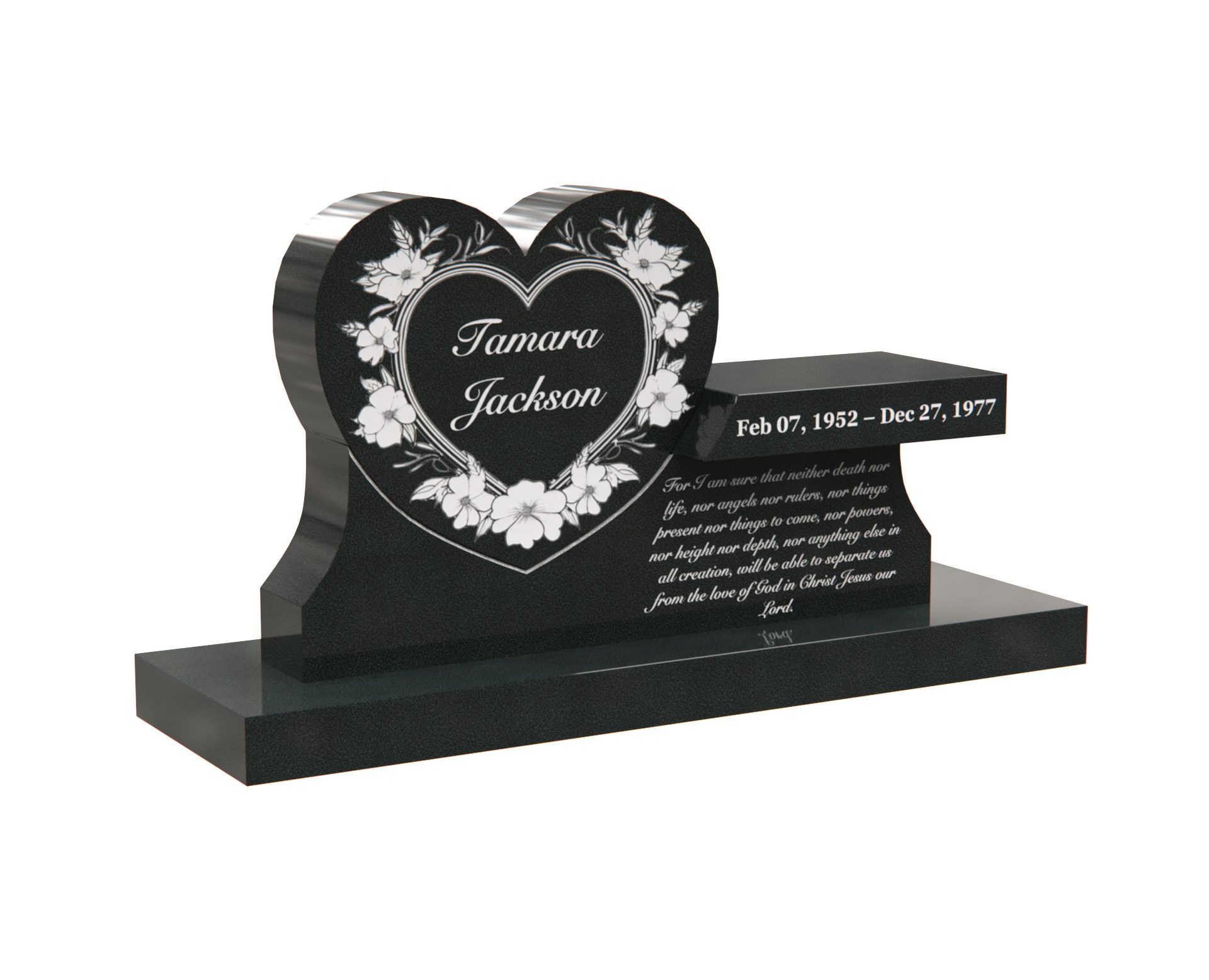
Cemeteries are changing, slowly and quietly. Anyone who walks the newer sections of a burial ground in Texas or Illinois will notice it. Between the traditional gray tablets there now stand black granite stones with laser-etched portraits, markers shaped like open books, monuments carved with fishing boats, sewing machines, tractors, roses climbing a cross. Personalized headstones have moved from rare custom orders to the way most American families memorialize someone, and the monument industry has rebuilt itself around that shift.
Memory Stones sits inside that change. The company grew from a small family stone workshop into a network of showrooms and production facilities serving families from California to New Jersey, and the majority of orders that come through its designers today involve some form of personalization. Not a catalog number. A person. What follows is a practical look at what can actually be done with granite and bronze, what it costs, and how the design process works when a family wants a memorial that could belong to no one else.
Why Standard Stones Stopped Being Enough
For most of the twentieth century, a headstone followed a formula. Name, birth date, death date, perhaps a short epitaph and a border. Cemeteries encouraged uniformity, and carving technology made anything more elaborate expensive.
Two things broke the formula. Sandblast stenciling made detailed carving affordable, and later, laser etching on polished black granite made photorealistic imagery possible at consumer prices. At the same time, memorial culture itself shifted. Families began treating the stone less as a record and more as a portrait – evidence of who the person was, not just when they lived. A 2,000-pound piece of granite that will stand for two centuries turned out to be a reasonable place to say something true about somebody.
The result is visible in every section installed since the 1990s. Deer for the hunter. Musical staffs with the actual notes of a favorite hymn. A pickup truck rendered so precisely the family can identify the model year. Grief looks for specifics, and granite has learned to hold them.
Personalized Headstones and What Granite Can Actually Carry
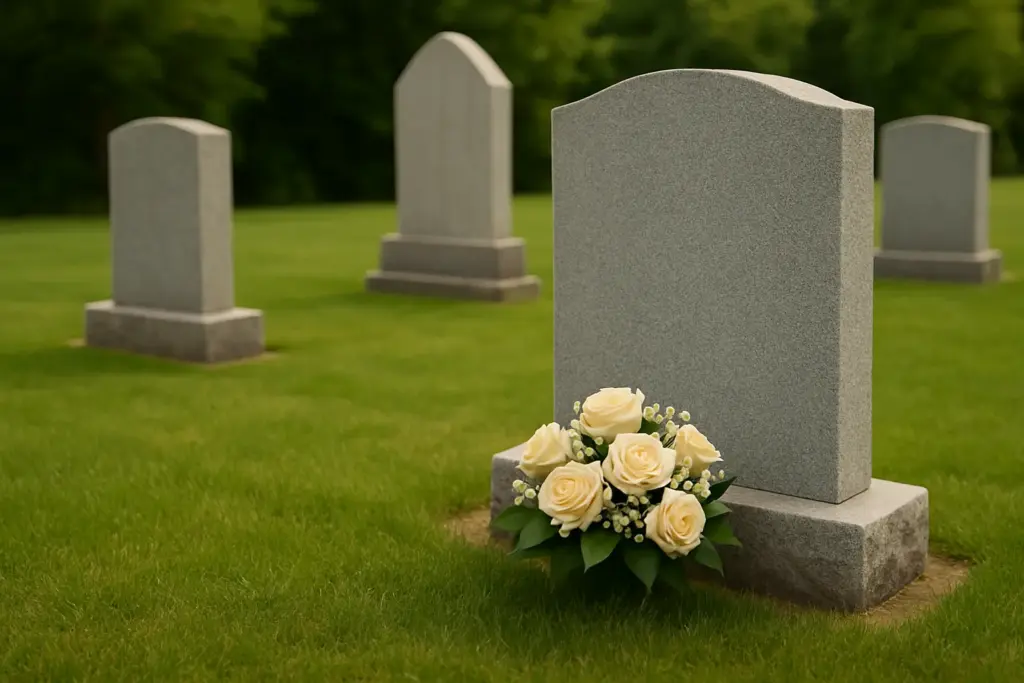
The design vocabulary is wider than most families expect when they first sit down with a designer. Personalized headstones draw on a handful of core techniques, and understanding them makes the conversation easier.
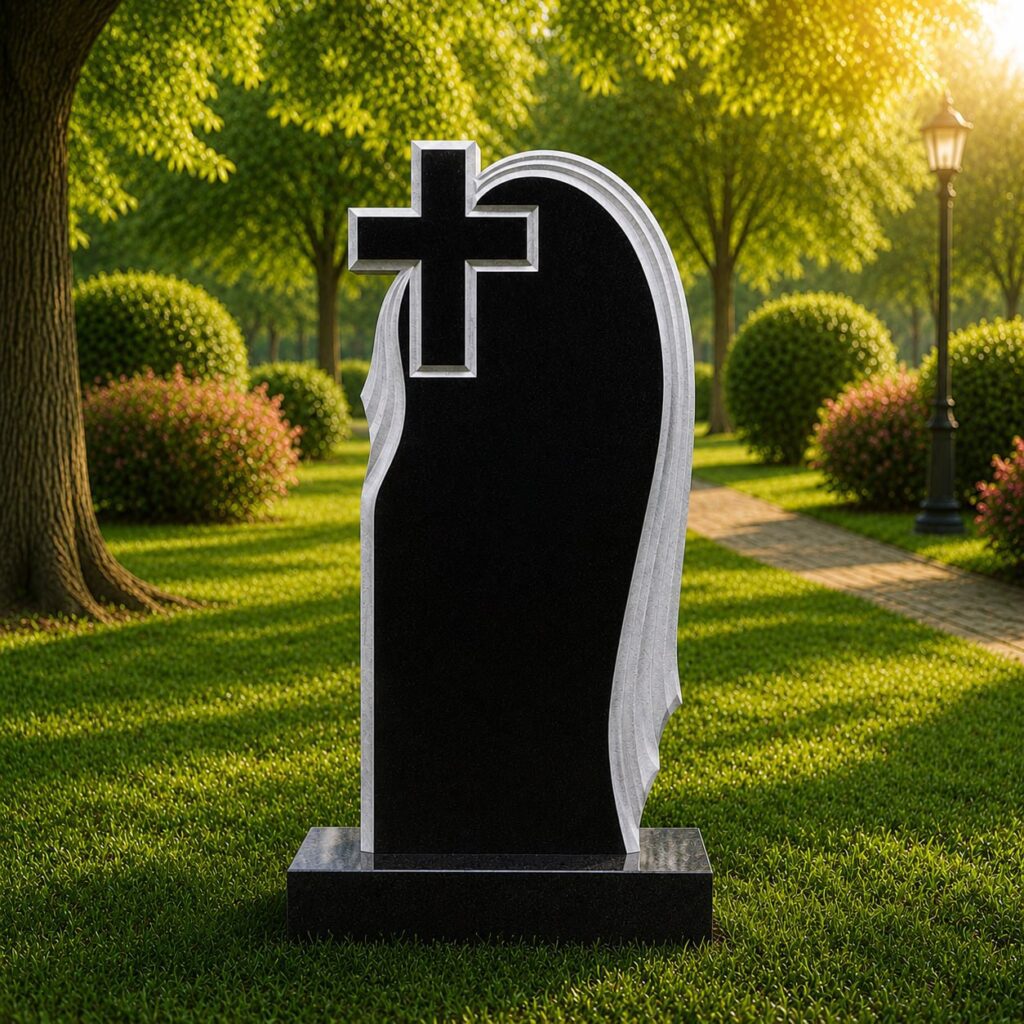
Carved imagery comes first – roses, praying hands, doves, crosses, Celtic knots, religious figures – cut into the stone with a sandblasted or hand-finished depth that catches shadow. This is the traditional layer, and it remains the backbone of most designs.
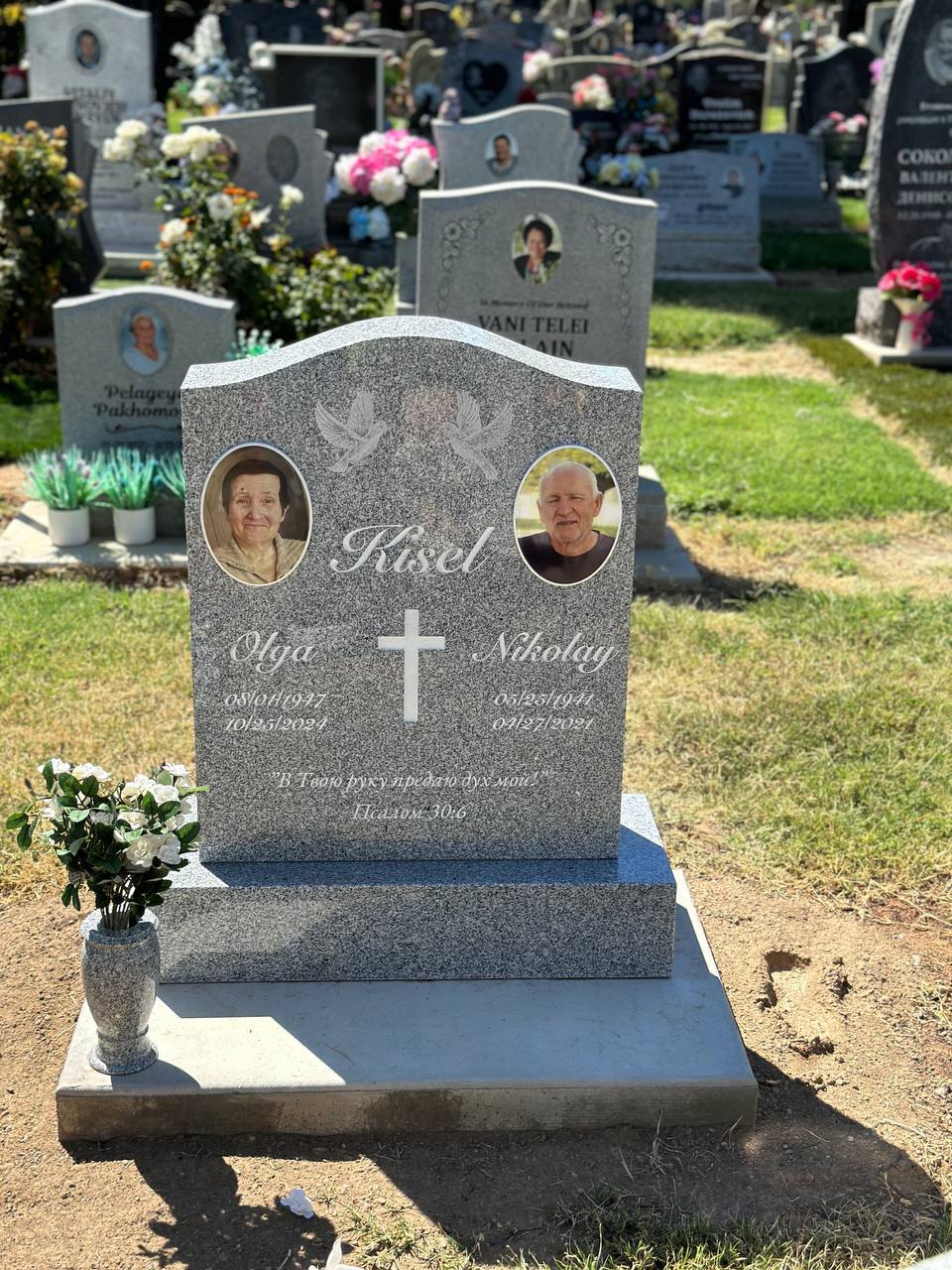
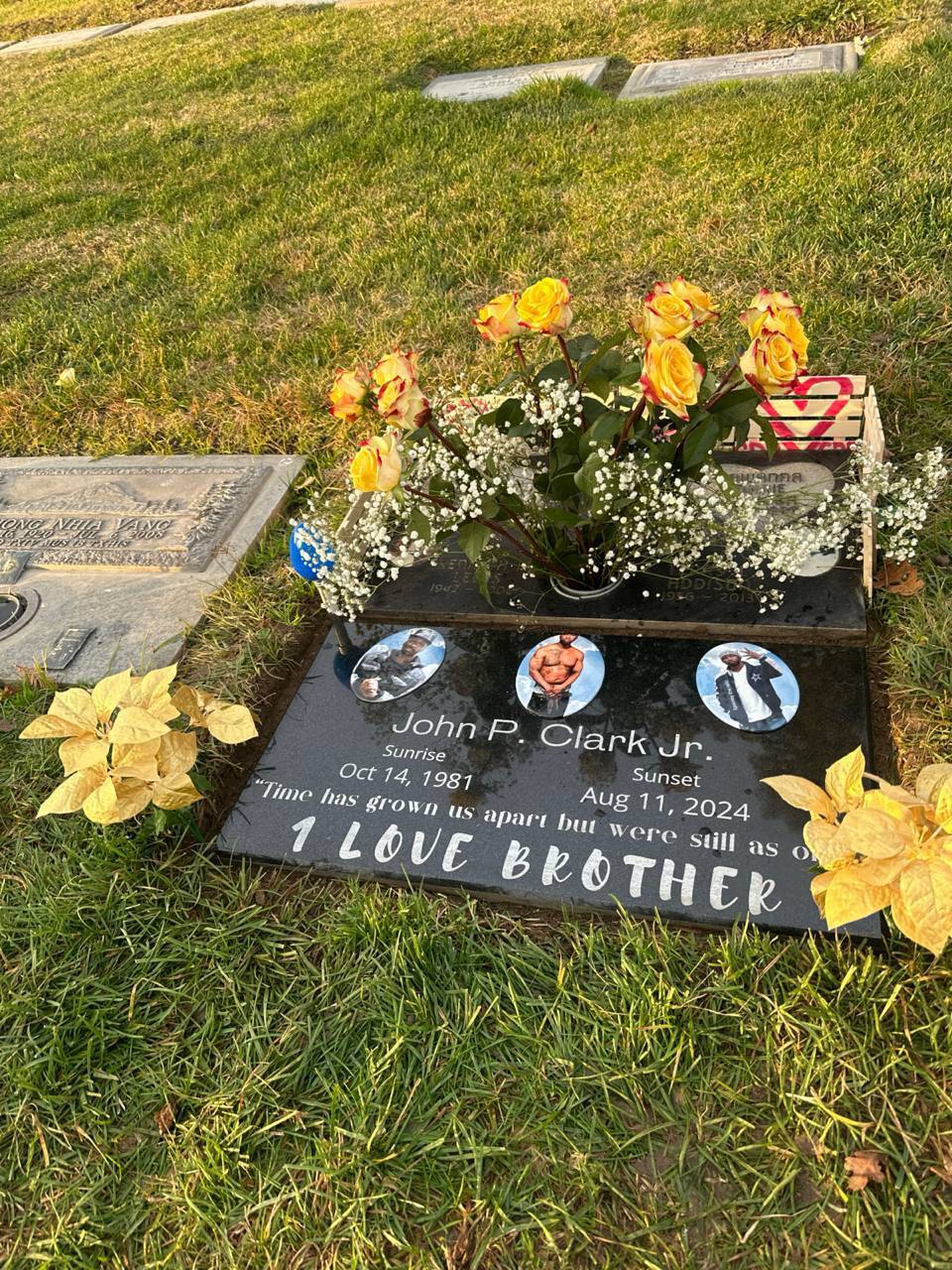
Laser etching adds the photographic layer. On polished black granite, a laser can reproduce an actual photograph: a wedding portrait, a man with his dog, grandchildren gathered on a porch. The image lives in the stone itself rather than sitting on it, so it cannot peel or fade the way applied decals do. Ceramic photo plaques offer a full-color alternative, fired and sealed for outdoor life, and they remain especially popular in Slavic, Italian, and Latino memorial traditions across Pennsylvania, New York, and California.
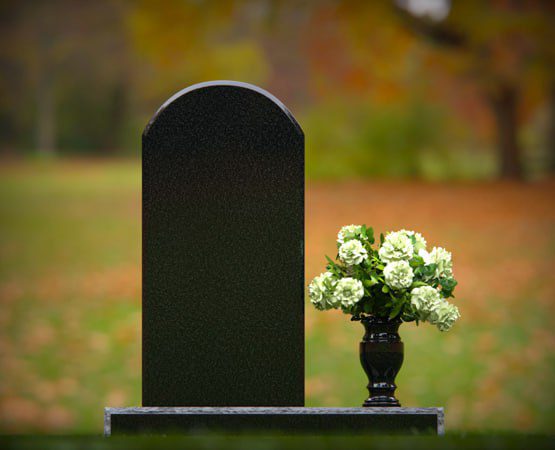
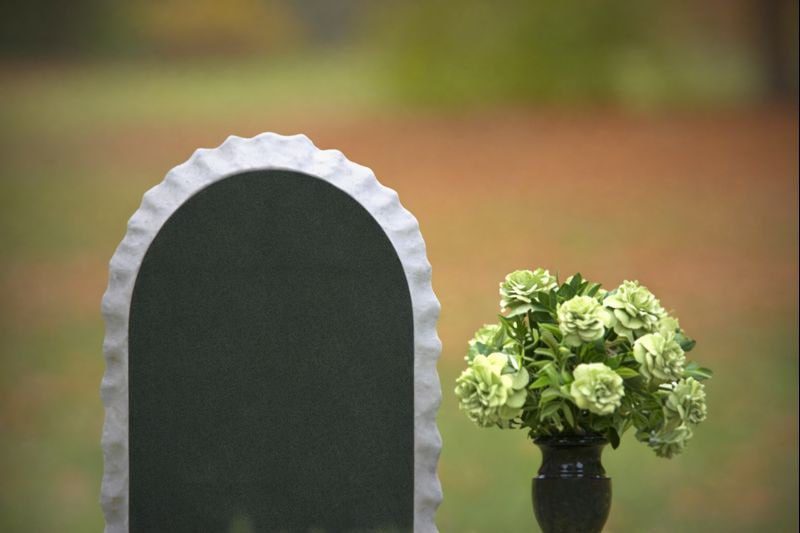
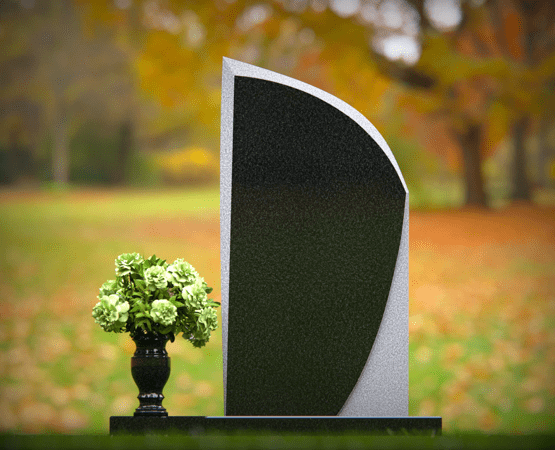
Then there is shape. Granite can be cut into hearts, single and double, teardrops, books, crosses, angels with folded wings, guitars, even custom silhouettes drawn from a family’s sketch. Memory Stones produces shape headstones as a standing category, and the current catalog runs from compact heart markers to full companion monuments with sculpted columns and vases. Color choices widen the palette further – jet black, gray, Bahama Blue, India Red, Green Pearl – each one changing how engraving and etching read.
Inscriptions round it out. Verses, song lyrics rewritten in the family’s own words, phrases in Spanish, Vietnamese, Hebrew, Arabic, Korean, or Russian, a signature reproduced from an old letter. The typical stone now carries three or four personal elements working together, and a good designer’s job is keeping them in balance.
Portraits and the Rise of Etched Photographs
Photo etching deserves its own attention because it has become the single most requested form of personalization. The process starts with the best photograph the family can find – resolution matters more than age, and designers routinely restore images from the 1960s and earlier. The photo is converted, adjusted for contrast, and etched point by point into the polished face of black granite.
Families are often surprised by what qualifies. Group photos work. Pets can be etched beside their owners. Landscapes – a ranch gate in Oklahoma, the Chicago skyline, a Gulf Coast pier – can wrap an entire background. One recent monument produced for a family near Houston reproduced the front porch of the homestead where four generations had gathered, with the couple seated on the steps. Visitors to the grave see the place as much as the people, which was exactly the intent.
A practical note. Etching requires polished black or very dark granite for contrast, so a family set on gray or red stone will usually choose a ceramic photo or bronze relief instead. Designers flag this early, before anyone falls in love with a combination the materials cannot deliver.
Emblems, Hobbies, and the Details Only a Family Would Know
The strongest personal touches are often the smallest. A single domino in the corner of a grandfather’s marker. Knitting needles crossed beneath a grandmother’s name. The logo of a volunteer fire department, a union local number, a Masonic square and compass, a quinceañera crown, the paw print of a specific dog with its name beneath.
Military and service emblems form their own tradition, from branch insignia to unit patches, and first responder symbols – the Maltese cross, the thin blue line shield – appear regularly on stones ordered through the Tulsa, Edmond, and Enid locations, where those communities run deep. Memory Stones extends a 35% discount to veterans and to police officers, firefighters, and other first responders paying in full, which frequently comes up in the same conversation as the emblem itself.
Hobby imagery has no real limit. Recent projects have included a fully etched 1967 Mustang, a barrel racer mid-turn, a chessboard set to a specific position, and a stack of library books with legible titles chosen by the deceased’s children. The designers ask one question early in every consultation – what would this person be doing on a good Saturday – and the answer usually becomes the centerpiece.
Personalized Animal Headstones for Pets and the People Who Loved Them
Animal memorials have grown into a category of their own, and they run in two directions. The first is the pet memorial itself. Memory Stones produces personalized animal headstones in the same granite used for human monuments – flat markers, small uprights, and heart shapes engraved with a name, dates, a paw print, and often an etched portrait of the animal. A dog that spent fourteen years with a family gets real stone, not a resin plaque that cracks in the third winter. These start small and affordable, and many are placed in backyards or pet cemeteries with the same care as any other installation.
The second direction is animals on human headstones, and it is more common than outsiders assume. Horses appear constantly in Oklahoma and Texas orders. Retrievers, cardinals, deer, elk, longhorn cattle, koi on Asian style monuments, eagles on veterans’ stones. For many people, an animal is the truest shorthand for a life – the rancher’s quarter horse says more about him than any verse could. Companion monuments sometimes carry the family dog etched between the two portraits, sitting where it always sat.
Cemetery rules occasionally restrict animal imagery in certain religious sections, so the design team verifies regulations for every order before production begins. It is one of those quiet checks that saves families from ordering something their cemetery will refuse.
Designing the Stone Yourself Before Anyone Cuts It
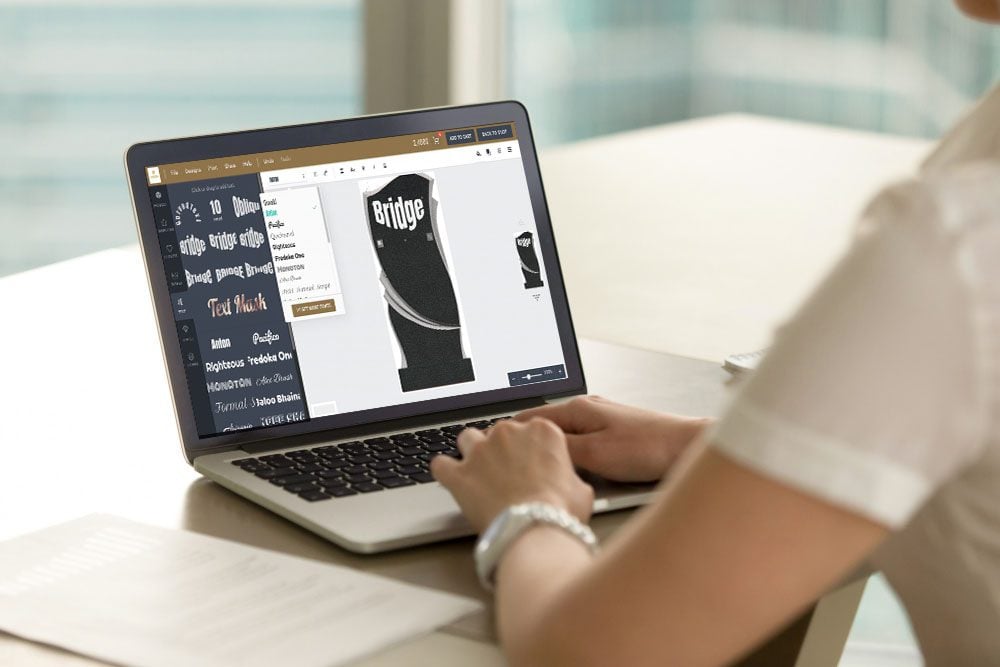
The design process no longer requires imagining anything blind. On every product page at memorystones.us, a built-in configurator lets a family enter the actual names and dates, choose fonts, select granite color, and place emblems – all rendered in 3D in real time. An AR preview then projects the finished monument at full scale through a phone camera, so it can be viewed standing in the living room or, more usefully, on the plot itself.
From there, a designer takes over. Every order includes a free professional design proof with two rounds of revisions, and nothing moves to production until the family approves the final rendering. The back-and-forth matters. A portrait may need repositioning, a verse may run long, a paw print may look better opposite the dates. Most designs settle within a week, though there is no clock on grief and no penalty for taking longer.
What Personalization Costs and How Families Pay
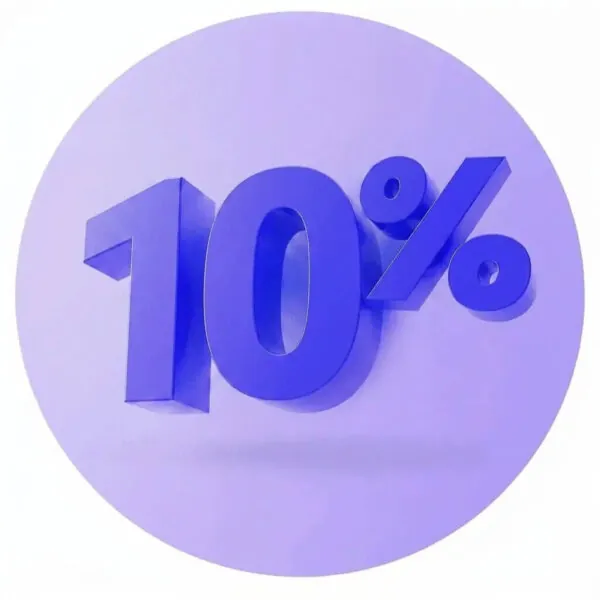
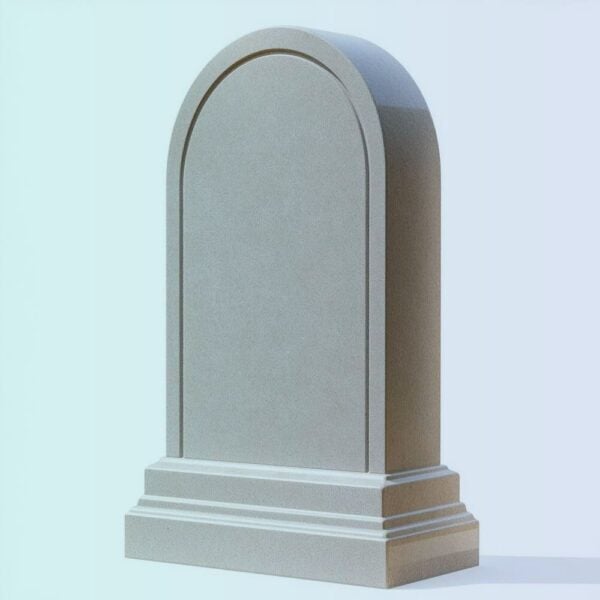
The honest answer is that personalization costs less than most families fear. Standard engraving – names, dates, a verse, common emblems – is included in the monument price. Flat markers in the current sale start at $55. Personalized upright headstones with custom artwork commonly land between $2,300 and $4,500 depending on size and stone, with the Classic Arch upright at roughly $2,330 after the 35% full-payment discount that applies storewide right now. Laser-etched portraits, ceramic photos, and custom shapes add to that in predictable increments a designer will quote up front, and a 10% price match covers comparable competitor quotes.
Payment structure does the rest of the work. In-house financing runs 0% interest for up to 12 months, extended plans reach 24 months, and pre-need arrangements – people designing their own stone in advance, which is increasingly common – stretch to 36 months interest-free. Shipping is free nationwide, and the craftsmanship carries a lifetime warranty. A deeply personal monument, in other words, is not reserved for families with cash on hand.
Where the Work Gets Done
Personalization benefits from sitting across a table from someone, and the company keeps physical locations for exactly that reason. Showrooms and offices operate in Sacramento, Los Angeles, Hesperia, and Laguna Woods across California, in Allen, Dickinson, and Houston in Texas, in Tulsa, Edmond, and Enid in Oklahoma, in Plainfield and Lemont near Chicago, Galloway outside Columbus, Essington near Philadelphia International, Tukwila south of Seattle, Roseland in northern New Jersey, Orlando in Central Florida, and Spartanburg in South Carolina. Families in Kansas, Arkansas, North Carolina, and New York regularly complete the entire process remotely – photos by email, proofs by phone, delivery and cemetery installation coordinated by the local team.
Every showroom keeps finished examples on the floor, because there is a difference between seeing an etched portrait on a screen and standing in front of one. Most people touch the stone first. Then they start talking about the person, and the design begins there.
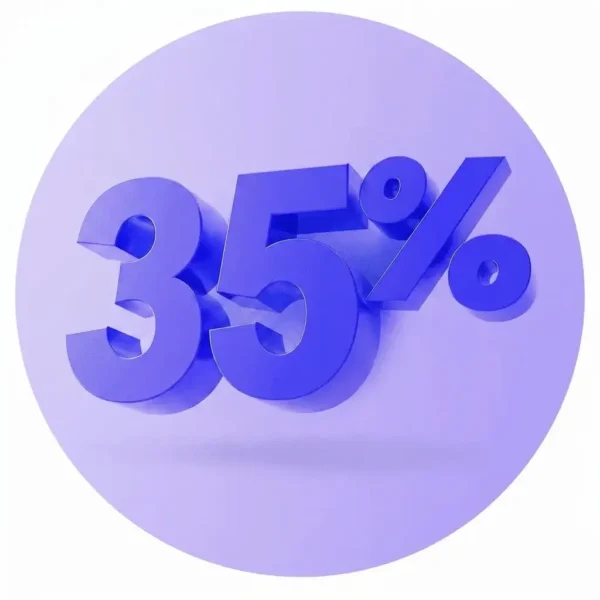
 SUMMER SALE - 35% OFF everything with full payment
 10% OFF on installment plans
