





Polished vs. Matte Headstone Finishes: A Comprehensive Guide to Making the Right Choice

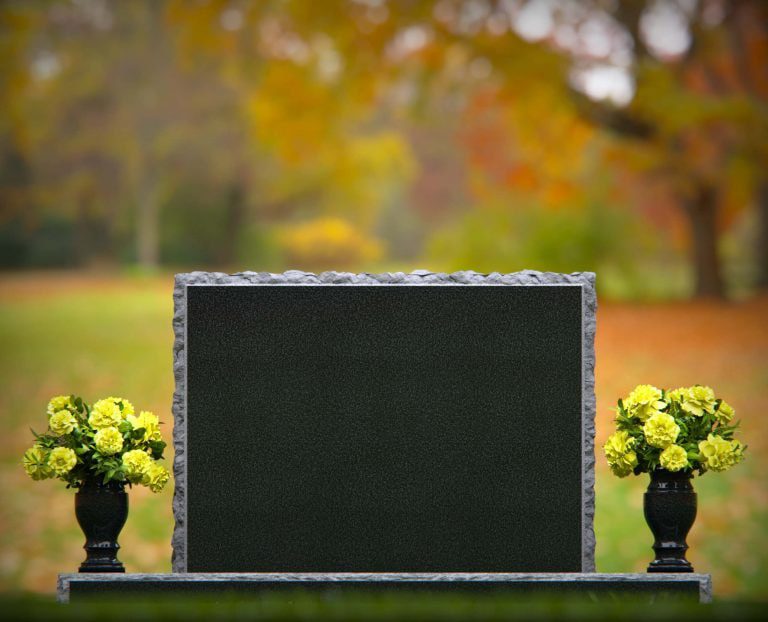
Selecting a memorial for a loved one is a profoundly significant and enduring decision. It stands not merely as a marker of a resting place, but as a permanent tribute to a life lived, a physical embodiment of legacy, and a focal point for remembrance for generations to come. When embarking on the journey of designing a custom monument, families are faced with a myriad of choices: selecting the type of stone, determining the size and shape, deciding on the inscription, and choosing the artwork. However, one of the most critical yet frequently misunderstood decisions lies in selecting the surface finish of the stone itself.
The two most prominent and widely discussed options in the memorial industry are the polished finish and the matte (often referred to as honed) finish. The surface treatment you select dictates much more than just the initial aesthetic appeal of the monument. The finish fundamentally alters how the stone interacts with the environment, how it requires maintenance over the decades, how it accommodates various types of engraving and artwork, and ultimately, how the memorial ages over a century.
This comprehensive guide is designed to dissect every nuance of polished and matte headstone finishes. By examining the manufacturing processes, the aesthetic impacts, the maintenance requirements, and the environmental resilience of both options, this article will equip you with the in-depth knowledge required to make an informed, confident, and lasting choice.
Understanding the Anatomy of a Stone Finish
To fully grasp the difference between polished and matte surfaces, it is essential to understand that all monument-grade stone—whether it is traditional gray granite, deep black absolute granite, or classic white marble—begins its journey as a raw block extracted from a quarry. Once the block is cut into slabs and shaped into the desired monument form, the surface is entirely raw, rough, and deeply textured.
The process of transforming this raw, abrasive surface into a refined memorial involves a sequential, mechanical abrasion process. Using heavy machinery equipped with progressively finer diamond-grit abrasive pads, artisans grind down the surface of the stone. The finish of a headstone is determined entirely by when the craftsman decides to stop this grinding and smoothing process.
The Polished Finish: Brilliance and Contrast
A polished finish is the result of taking the stone through the entire sequence of grinding and buffing stages until the surface is completely smooth and highly reflective.
The Manufacturing Process
Achieving a true polished finish requires intense friction and the use of polishing compounds or extremely fine diamond-grit pads (often up to 3000 grit or higher), sometimes coupled with a final buffing wheel. This rigorous process closes the microscopic pores on the surface of the stone. As the pores close and the surface becomes perfectly flat, it begins to reflect light like a mirror. Furthermore, the intense polishing process draws out the deep, natural colors and the intricate crystalline structures embedded within the stone. A black granite, for instance, only achieves its deep, rich, mirror-like obsidian appearance after it has been fully polished.
Advantages of a Polished Finish
- High Contrast for Engraving: Because polishing darkens the natural color of the stone, it creates an unparalleled contrast when the stone is subsequently sandblasted or laser-etched. The carved areas reveal the lighter, unpolished interior of the stone, making lettering and artwork highly legible without the need for artificial paints or pigments.
- Superior Laser Etching Capabilities: If you desire a highly detailed laser-etched portrait or an intricate scenic design, a polished dark granite (such as Premium Black) is an absolute necessity. The laser essentially burns away the microscopic polished surface to create white pixels of contrast. This cannot be effectively achieved on a matte surface.
- Weather and Moisture Resistance: By closing the pores of the stone, a polished finish acts as a natural sealant. It creates a barrier that causes rain to bead up and roll off. This significantly slows down the accumulation of dirt, hard water stains, and biological growth such as moss or lichen.
- Ease of Cleaning: A simple wipe with a damp, soft cloth is often all that is needed to restore a polished stone to its original brilliance.
Disadvantages of a Polished Finish
- Reflectivity and Glare: The mirror-like surface can catch the sun, creating a glare that might make the inscription difficult to read from certain angles or at specific times of the day.
- Susceptibility to Smudges: Much like a clean window or a mirror, a polished stone will readily show fingerprints, water spots, and dust.
- Cemetery Restrictions: Some historic, traditional, or highly regulated cemeteries completely prohibit polished finishes, arguing that the high gloss clashes with the natural, subdued aesthetic of older, surrounding stones.
The Matte (Honed) Finish: Classic and Natural
A matte finish, frequently referred to in the industry as a “honed” or “sanded” finish, is achieved by halting the grinding process before the stone reaches the buffing and polishing stages.
The Manufacturing Process
The stone is ground down using coarse to medium diamond abrasives until it is perfectly smooth to the touch, but it is not subjected to the final high-friction polishing that creates a gloss. The resulting surface is flat, completely non-reflective, and possesses a soft, satin-like texture. Because the pores of the stone remain slightly open and the surface is not buffed, the natural color of the stone appears somewhat lighter, softer, and more muted than its polished counterpart.
Advantages of a Matte Finish
- Timeless, Traditional Aesthetic: A matte finish closely resembles the natural weathering of historic monuments. It blends seamlessly into older, historic cemeteries and provides a solemn, understated dignity that many families prefer.
- Zero Glare: Because the surface diffuses light rather than reflecting it, the stone will never produce a glare. The monument maintains a consistent appearance regardless of the angle of the sun or the time of day.
- Conceals Surface Dust: A honed surface is exceptionally forgiving when it comes to minor environmental debris. It does not show fingerprints, and light dust or dried rain spots are virtually invisible compared to how they appear on a high-gloss surface.
- Universal Cemetery Acceptance: It is exceedingly rare for a cemetery to ban a matte finish. It is the universally accepted standard for traditional memorial grounds.
Disadvantages of a Matte Finish
- Lower Engraving Contrast: Because the surface of the stone is lighter and the pores are open, the contrast between the surface and a sandblasted engraving is significantly reduced. To ensure the lettering remains legible from a distance, matte headstones frequently require the application of lithichrome stone paint inside the engraved letters.
- Vulnerability to Biological Growth: The slightly porous nature of a matte finish allows moisture to linger longer on the surface. In damp, shaded, or heavily wooded environments, this can encourage the growth of moss, lichen, and algae over the decades.
- More Intensive Deep Cleaning: While it hides daily dust well, when a matte stone does get deeply soiled or stained by tree sap or bird droppings, the rougher microscopic texture holds onto the dirt more stubbornly, requiring specialized stone cleaners and a stiff bristle brush to clean effectively.
In-Depth Comparison: Polished vs. Matte
To provide a clear, side-by-side perspective of how these two distinct finishes perform across the most critical categories of monument ownership, refer to the detailed comparison below.
| Feature / Characteristic | Polished Finish | Matte (Honed) Finish |
| Visual Appearance | High-gloss, mirror-like, darkens the stone’s natural hue. | Smooth, non-reflective, satin-like, softens and lightens the hue. |
| Tactile Sensation | Glass-smooth, cold, and slick. | Smooth but with a microscopic texture; feels like natural, worn rock. |
| Legibility & Contrast | Excellent natural contrast; lettering stands out without paint. | Lower natural contrast; inscriptions often require lithichrome paint. |
| Laser Etching | Essential; highly detailed imagery requires a polished dark surface. | Not recommended; the lack of contrast prevents clear image rendering. |
| Maintenance Needs | Requires frequent light wiping to remove water spots and fingerprints. | Requires less frequent but more intensive scrubbing to remove deep stains. |
| Moisture Resistance | High; water beads and rolls off the closed surface pores. | Moderate; water can sit on the surface, potentially aiding moss growth. |
| Glare Level | High; can reflect sunlight heavily depending on the facing direction. | None; absorbs and diffuses light uniformly. |
Critical Factors in Your Decision-Making Process
Choosing between these two finishes is rarely a simple matter of personal aesthetic preference. There are several external variables and practical considerations that must be evaluated before finalizing a monument order.
-
Cemetery Rules and Regulations
This is arguably the most critical factor and should be your very first step. Before you begin designing a memorial, you must obtain and thoroughly read the specific bylaws of the cemetery where the stone will be placed. Cemeteries are highly regulated environments, and their rules regarding monument aesthetics can be surprisingly strict.
- Historic Cemeteries: Many older or historically significant burial grounds strictly forbid polished finishes. Their goal is to maintain a cohesive, aged aesthetic that honors the era in which the cemetery was founded.
- Section-Specific Rules: Larger, modern cemeteries often have different rules for different sections. One section might require entirely polished stones (often called “all-polished” monuments), while another section, perhaps a “garden” or “traditional” section, might mandate a matte face or rough “pitch” edges.
- Reflection Concerns: Some modern memorial parks restrict polished finishes to prevent excessive glare from blinding drivers on nearby cemetery roads or disturbing visitors at adjacent plots.
-
Environmental and Geographic Conditions
The specific micro-climate of the burial plot will play a massive role in how the headstone ages over the next fifty to one hundred years.
- Wooded, Shaded Areas: If the plot is situated under a large canopy of trees, it will be exposed to tree sap, falling leaves, bird droppings, and constant shade. In these damp conditions, a matte finish is highly susceptible to accumulating green algae, moss, and lichen. A polished finish is far superior in this environment, as the sap and biological growth struggle to adhere to the slick surface, and rain will naturally wash much of the debris away.
- Open, Sunny Areas: In an open field with direct sunlight, a matte finish performs beautifully. The sun keeps the stone dry, preventing moss growth, and the lack of glare ensures the monument is always easy to look at. A polished stone in direct, unrelenting sunlight may create a harsh reflection and highlight every single speck of dried dust.
-
Engraving and Artwork Preferences
The type of personalization you envision for your loved one will heavily dictate the required finish.
- If you desire a traditional, deep-carved sandblasted design with large, bold lettering (perhaps painted with a subtle gray or black lithichrome), a matte finish provides a stunning, classic canvas.
- If your vision includes a highly detailed, photographic laser etching of a portrait, a cherished farm, a beloved pet, or a complex scenic landscape, you are strictly limited to a polished finish (specifically on a dark granite). The laser technology relies entirely on breaking the polished surface to create the image.
-
Ongoing Maintenance and Care
Consider who will be caring for the grave site and how often they will visit.
Maintenance Guide for Headstones
- For Polished Stones: Bring a clean, soft microfiber cloth and a spray bottle of distilled water. Avoid abrasive sponges, wire brushes, or harsh household chemicals (like bleach or glass cleaners with ammonia), as these can strip the polish over time. Simply spray the distilled water and wipe the stone dry to eliminate water spots and restore the high-gloss shine.
- For Matte Stones: Bring a soft-to-medium nylon bristle brush, distilled water, and a specialized, non-ionic stone cleaner (or a very mild, neutral dish soap). Wet the stone, gently scrub the surface in circular motions to dislodge dirt from the microscopic pores, and rinse thoroughly with clean water. Never use a power washer, as the high pressure can damage the stone and blast the paint out of the engraved letters.

The Intersection of Finish and Stone Material
It is important to note that the impact of a finish varies depending on the specific geological makeup of the stone you select.
Granite: Granite is an igneous rock formed from magma. It is incredibly dense, hard, and rich in crystalline structures (like quartz and feldspar). Granite takes exceptionally well to both finishes. When polished, the quartz crystals within the granite catch the light, giving the stone a subtle, beautiful sparkle. When honed to a matte finish, granite remains incredibly durable and resistant to scratching, though the vibrant colors of the minerals will be significantly muted.
Marble: Marble is a metamorphic rock that is much softer and more porous than granite. While marble can be polished to a beautiful shine, it is highly discouraged for outdoor use. The natural acidity in normal rainfall will chemically react with the calcium carbonate in the marble. Over time, this mild acid rain will quite literally eat away the polished surface, turning a polished marble stone into a rough, matte stone within a matter of decades, while also melting away the sharp edges of the engraved letters. If you must choose marble for a headstone, it is generally recommended to start with a matte finish, as it will age more gracefully and consistently than a polished marble surface.
Cost Implications
The financial aspect of choosing a headstone finish is heavily tied to the labor required. Generating a high-quality polished finish is a more labor-intensive, time-consuming process that requires specialized machinery and expensive diamond abrasive pads. Consequently, a headstone with a polished face, back, and top (an “all-polished” monument) will almost always carry a higher initial price tag than a monument that is simply honed or left with rough, rock-pitched edges.
However, it is vital to view this as a long-term investment. The upfront cost of a polished finish may be higher, but the long-term maintenance costs are often lower. A polished stone requires less frequent professional cleaning, and it rarely requires the re-application of lithichrome paint inside the lettering, saving families money on restoration services decades down the line.
Conclusion
The selection of a headstone finish is a permanent choice that balances aesthetics, practicality, environmental resilience, and cemetery regulations. There is no universally “correct” answer; the best choice depends entirely on the specific circumstances of the memorial site and the personal vision of the family honoring their loved one.
A polished finish offers striking contrast, vivid color, unmatched resilience against moisture and biological growth, and the ability to host highly detailed laser-etched artwork. It is the ideal choice for shaded plots, dark granites, and families who prefer a pristine, modern aesthetic.
A matte finish provides a dignified, traditional appearance that diffuses light, blends seamlessly into historic surroundings, and offers a natural, tactile connection to the stone. It is perfectly suited for bright, sunny locations, traditional deep-carved sandblasting, and families who appreciate the quiet, understated beauty of natural rock.
To aid in your final decision-making process, consult the summary matrix below to align your priorities with the appropriate finish.
| Your Primary Priority | Recommended Finish | Reason |
| Highly detailed portrait etching | Polished | Required for the laser etching process to create contrast. |
| Placement in a historic cemetery | Matte | Complies with regulations and matches older stones. |
| Placement under heavy tree cover | Polished | Resists sap, moss, and algae growth effectively. |
| A completely glare-free appearance | Matte | Absorbs light rather than reflecting it. |
| Lowest long-term maintenance effort | Polished | Requires only a quick wipe to stay looking brand new. |
| Traditional, classic visual appeal | Matte | Mimics the natural weathering of ancient stone markers. |
By carefully weighing these factors—from the rules of the burial ground to the specific weather patterns of the location—you can ensure that the monument you create stands as a beautiful, enduring, and low-stress tribute. We hope this guide helps you navigate this complex choice with confidence. When you are ready to explore physical samples and begin designing a lasting tribute that perfectly honors your loved one’s legacy, the experienced artisans at Memory Stones are here to guide you through every step of the journey.


 0% Instalment Plans - Up to 12M - Call For Details!
 Free shipping
