





Modern vs. Classical Luxury Headstones: The Definitive Guide to Granite Memorial Design

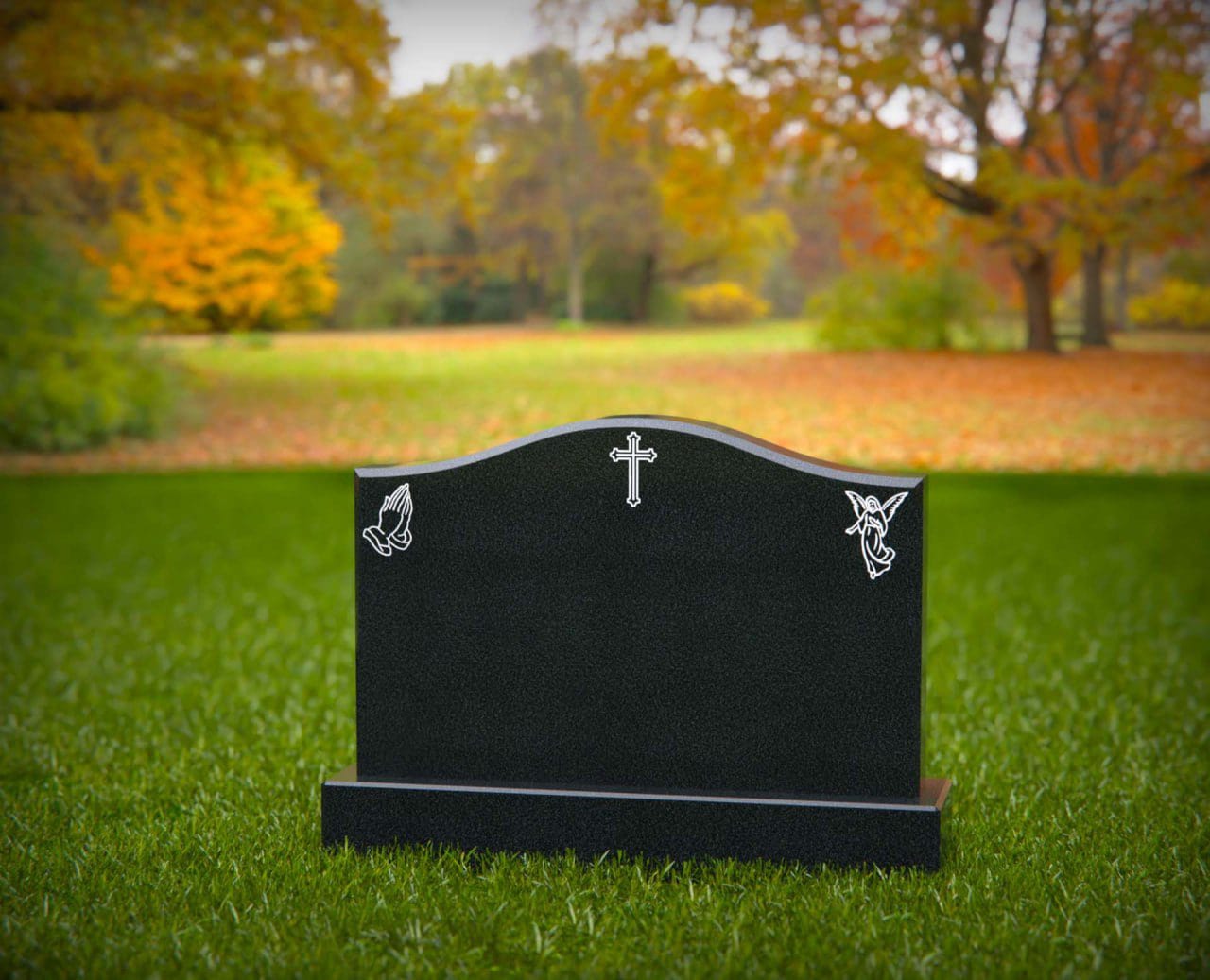
Choosing a memorial for a loved one is a profound responsibility, a final act of service that bridges the ephemeral nature of life with the permanence of stone. In the realm of luxury monuments, the choice between Modern and Classical styles is not merely an aesthetic one; it is an architectural decision that defines how a legacy will be viewed for centuries. This guide provides an exhaustive exploration of these two design philosophies, focusing exclusively on the unmatched majesty of Granite—the only material capable of carrying the weight of such a monumental choice.
Granite, an igneous rock formed from the slow crystallization of magma below Earth’s surface, offers a palette of colors and a structural integrity that no other material can match. In a luxury context, the “standard” gives way to the “extraordinary,” where the grain of the stone, the precision of the cut, and the soul of the design come together to create a masterpiece.
-
The Classical Heritage: Timeless Grandeur
Classical luxury headstones draw their inspiration from the annals of art history—from the stoic temples of Greece and the monumental arches of Rome to the intricate funerary art of the Victorian era. This style is for those who find beauty in tradition, symmetry, and the hand of the artisan.
The Philosophy of Classical Design
Classical design is rooted in the concept of Eternalism. It suggests that some truths—and some memories—are unchanging. It utilizes proportions that have been considered “perfect” for millennia, such as the Golden Ratio, to create a sense of balance and peace.
Key Elements of Classical Luxury:
- Hand-Sculpted Bas-Relief: Unlike machine-made designs, classical luxury features high-relief carvings. Whether it is a bouquet of lilies representing purity or a draped veil representing the thin line between life and death, these are sculpted by master masons.
- Architectural Columns and Pediments: Many classical luxury stones are essentially miniature buildings. They may feature Ionic or Corinthian columns, supporting a triangular pediment, creating a “temple” for the soul.
- Symbolic Statuary: The inclusion of three-dimensional figures—angels in mourning, majestic lions, or religious icons—elevates a headstone to a work of public art.
- Deep V-Cut Lettering: In the classical tradition, inscriptions are not just sandblasted; they are deeply incised into the granite. This creates a natural shadow that makes the name readable even as the sun moves across the sky.
-
The Modern Revolution: Minimalist Sophodoxy
Modern luxury headstones represent a radical departure from the ornate. This style is born from the 20th-century movements of Minimalism, Bauhaus, and Contemporary Architecture. It is the choice for the visionary, the individualist, and those who believe that “less is more.”
The Philosophy of Modern Design
Modern design is rooted in Essentialism. It strips away the decorative clutter to focus on the raw beauty of the granite and the clean geometry of the form. It uses “negative space” (empty areas) as a design element itself, creating a sense of quiet power and sophistication.
Key Elements of Modern Luxury:
- Monolithic Forms: A modern luxury memorial often consists of a single, massive block of granite with no visible joints. The focus is on the sheer scale and the quality of the polish.
- Asymmetrical Balance: Unlike the rigid symmetry of classical styles, modern design often uses off-center elements, varying heights, and unexpected angles to create a dynamic visual interest.
- High-Tech Personalization: Modern luxury often integrates laser-etching technology. This allows for hyper-realistic portraits, digital recreations of a loved one’s signature, or even etched QR codes that link to a digital biography.
- Mixed Textures: A defining trait of modern luxury is the juxtaposition of finishes. A stone might have a “flamed” (rough) base, “honed” (matte) sides, and a “mirror-polished” face, all on the same piece of granite.
-
The Science of Granite: Selecting Luxury Materials
In a luxury project, the “grade” of the granite is paramount. Commercial grade granite, often seen in standard monuments, may have “nodes” (small imperfections) or inconsistent coloring. Luxury Grade Granite is sourced from specific depths of the quarry to ensure perfect color saturation and a flawless crystalline structure.
Premium Granite Color Profiles
| Granite Name | Origin | Color Description | Best Style Fit |
| Absolute Black | India | A pure, deep void of black with almost no visible grain. | Modern (Laser Etching) |
| Blue Pearl | Norway | Silver-blue base with large, iridescent feldspar crystals. | Modern (High Gloss) |
| Dakota Mahogany | USA | Rich brown and red tones with a warm, “earthy” luxury feel. | Classical (Statuary) |
| Imperial Red | Sweden | Vibrant, deep red; historically associated with nobility. | Classical (Grandeur) |
| Viscount White | India | Swirling patterns of white, grey, and black; looks like marble. | Modern (Monoliths) |

-
Technical Comparison: Style vs. Substance
| Feature | Classical Luxury | Modern Luxury |
| Edge Detail | Bullnose, Ogee, or Scalloped. | Sharp, Beveled, or Chamfered. |
| Lettering | Hand-carved Serif (Roman/Gothic). | Clean Sans-Serif or Architectural. |
| Top Shape | Serpentine, Roof, or Apex. | Flat, Slanted, or Abstract Curve. |
| Art Method | Sandblasted and Hand-tooled. | Laser Etched or Water-Jet Cut. |
| Lighting | Static (Natural Shadows). | Integrated (Solar/Recessed). |
| Emotional Tone | Respectful, Timeless, Formal. | Creative, Bold, Intimate. |
-
Artisan Techniques: Enhancing the Granite
To truly qualify as “luxury,” a headstone must utilize advanced finishing techniques that go beyond simple polishing.
- Gold Leaf Gilding: In classical luxury, the deep-cut letters are often lined with 23-karat gold leaf. Unlike gold paint, gold leaf will not tarnish or fade, providing a brilliant luster for decades.
- Lithichrome Painting: Specialized stone paints are used to add subtle shading to carvings, making a rose look three-dimensional or a landscape look vibrant.
- Internal Recessing: A modern luxury technique where a portion of the granite is cut out to house a bronze insert or a piece of thick, tempered glass, creating a “window” through the monument.
- Rock-Pitching: For a rugged, natural look, edges are hand-chipped using a hammer and chisel. In luxury stones, this is done with extreme precision to ensure the “rough” look is intentional and uniform.
Frequently Asked Questions (FAQ)
Which style is more durable in harsh climates?
Since both are made of granite, the durability is essentially equal. However, modern styles with fewer deep crevices may be easier to maintain in areas with high pollution or tree sap, as there are fewer places for dirt to collect.
Can a modern headstone include a religious symbol?
Absolutely. A modern design often incorporates religious symbols in a minimalist way—for example, a simple, unadorned cross cut entirely through the granite block (a “negative space” cross).
Is it possible to have a double-sided design?
Yes, and this is a hallmark of luxury. A classical stone might have the family name on the back with a floral border, while a modern stone might continue a geometric pattern or a landscape etching across all four sides.
How does the weight of the granite affect the installation?
Luxury stones are often larger and thicker (6 to 8 inches or more). This requires a much deeper, reinforced concrete foundation to prevent tilting over time. This architectural “unseen” work is part of the luxury service.
Can I change a design once the granite has been ordered?
Because granite is an incredibly hard natural stone, once the “rough” shape is cut and the polishing begins, significant changes are nearly impossible. Luxury memorials require a very detailed design and approval phase (CAD drawings) before the stone is even touched.
Conclusion: A Legacy in Stone
Before making your final selection, use this table to align your aesthetic preferences with the practical realities of granite memorialization.
| Feature | Classical Luxury | Modern Luxury |
| Primary Goal | To honor lineage, history, and the continuity of tradition. | To celebrate the individual spirit and contemporary life. |
| Visual Language | Symbolic, intricate, and vertically oriented. | Geometric, clean, and often horizontally oriented. |
| Material Usage | High-relief carving; uses shadows as a design tool. | Focuses on the “skin” of the granite; uses reflection and polish. |
| Artisan Focus | The skill of the sculptor and the depth of the chisel. | The precision of the architect and the clarity of the laser. |
| Ideal Setting | Historic churchyards or established garden cemeteries. | Modern memorial parks or private estate settings. |
| Interaction | Encourages “reading” and deciphering symbols. | Encourages “feeling” the stone and reflecting on the form. |
| Aging Process | Develops a “patina” of history; looks better as it weathers. | Depends on maintaining the pristine, sharp geometric lines. |
| Personalization | Through epitaphs, crests, and traditional emblems. | Through portraits, signatures, and abstract shapes. |
The choice between a Modern and a Classical luxury headstone is far more than a simple matter of visual preference; it is the final act of storytelling you will perform for your loved one. When you stand in the quiet air of a cemetery, you are not just looking at a block of granite; you are engaging with the Architecture of Memory. This monument serves as a permanent bridge between the world of the living and the realm of the eternal, and the style you choose dictates the tone of that conversation for centuries to come.
Choosing a Classical monument is an embrace of the “Eternal Return.” It is an acknowledgment that the person who has passed is now part of a grand, historical tapestry. By utilizing the language of the Greeks and Romans—the columns, the drapes, the serif fonts—you are situating their life within a context of timeless stability. There is a profound comfort in the Classical style; it whispers that even though a life has ended, the values and traditions that person stood for are indestructible. It is a choice that prioritizes the collective memory of the family and the heritage of the culture. In 150 years, a classical granite monument will not look “dated”; it will look like an ancient, respected witness to a life well-lived, its deep-cut letters softened by time but its message of dignity still vibrantly clear.
Conversely, choosing a Modern monument is an act of “Bold Presence.” It is a celebration of the unique, unrepeatable spark of the individual. Modern design refuses to hide behind the ornaments of the past, instead using the raw, polished power of premium granite to make a singular statement. This style is for the trailblazers, the innovators, and those whose lives were defined by a forward-looking energy. A modern memorial doesn’t just sit in the landscape; it interrupts it with beauty. It challenges the visitor to see the stone as a piece of contemporary art. It suggests that while the person is gone, their influence remains modern, relevant, and sharp. By utilizing clean lines and innovative textures, you are ensuring that their final signature on this earth is as unique as their fingerprint.
Ultimately, your decision should be guided by a synthesis of intuition and heritage. Consider the “Silent Dialogue” the stone will have with future generations. Will they see a monument that speaks of the heavy, somber dignity of the past? Or will they see a work that speaks of the light, creative freedom of the present? There is no wrong choice when working with Granite, for the stone itself guarantees that the choice is permanent. Granite does not compromise with time; it only waits. Whether it is carved into a weeping angel or polished into a sleek, black monolith, it will carry your message of love through wind, rain, and the slow turning of the ages. Trust your heart to choose the style that resonates with the soul of the departed, and let the granite do the work of making that memory immortal.


 0% Instalment Plans - Up to 12M - Call For Details!
 Free shipping
