





Flat Headstones Overview: Features, Styles, and Material Options

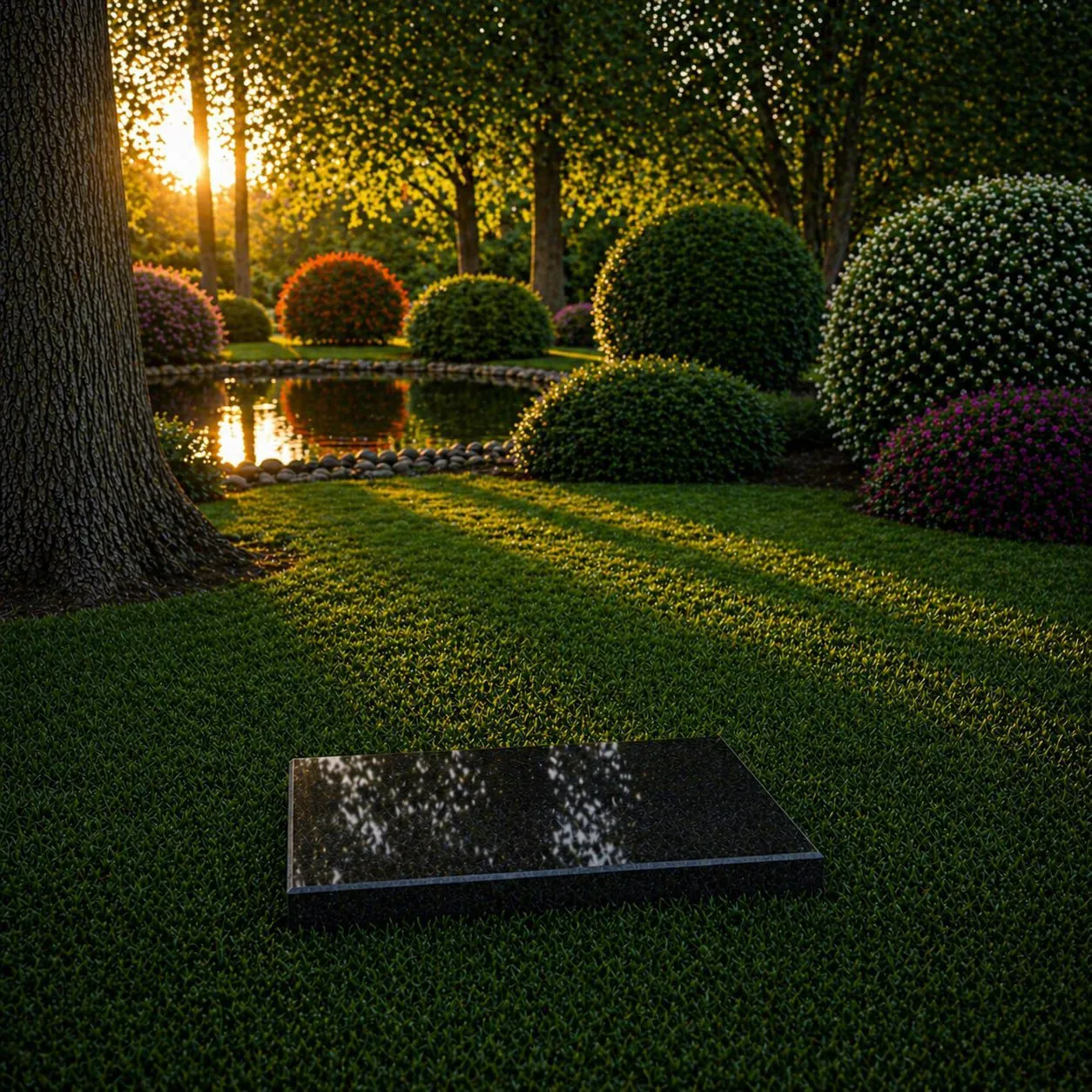
Choosing a memorial for a loved one is a profoundly personal and emotional journey. It is a lasting tribute that honors a life lived, providing a physical space for family and friends to visit, reflect, and remember. Among the various types of memorials available today, flat headstones—also known as flush markers, grass markers, or lawn-level monuments—have become increasingly popular. They offer a simple, elegant, and understated beauty that blends seamlessly with the natural landscape of a cemetery.
This comprehensive guide provides an in-depth overview of flat headstones, exploring their distinct features, the variety of styles available, and the best material options to ensure a beautiful and enduring tribute.
Understanding Flat Headstones: What Are They?
Flat headstones are grave markers designed to lie completely flush with the ground or rest just a few inches above it. Unlike traditional upright monuments that stand vertically, flat markers provide a minimalist approach to memorialization. Many modern cemeteries, often referred to as “memorial parks,” exclusively require flat headstones. This regulation is primarily practical; flat markers allow lawnmowers and maintenance equipment to pass directly over the gravesites without risking damage to the stones, creating a sweeping, park-like aesthetic that is both peaceful and visually uniform.
Even in traditional cemeteries that permit upright monuments, many families choose flat headstones for their affordability, unassuming elegance, and the wide array of customization options they support.
Key Features of Flat Headstones
When selecting a flat headstone, there are several fundamental features and specifications to consider. Understanding these will help you navigate the ordering process and ensure compliance with cemetery rules.
-
Standard Dimensions: While sizes can vary, a standard single flat headstone typically measures 24 inches long by 12 inches wide (24″ x 12″). Companion markers, meant to cover two side-by-side plots, are generally 36 to 48 inches long by 12 to 14 inches wide.
-
Thickness: The standard thickness for a flat granite marker is generally between 3 and 4 inches. This thickness provides the necessary structural integrity to withstand ground shifting, weather changes, and the weight of cemetery maintenance equipment.
-
Installation and Setting: Flat headstones are usually set directly into the earth or placed on a concrete foundation poured flush with the lawn. The exact setting method depends heavily on the specific regulations of the cemetery and the climate of the region (especially in areas prone to frost heaves).
-
Cemetery Regulations: Always consult your cemetery before purchasing a marker. Cemeteries have strict bylaws dictating the size, material, edge finish (e.g., sawn vs. beveled), and even the color of the headstone you are allowed to install.
Popular Styles and Designs
Despite their simple profile, flat headstones offer a vast canvas for personalization. The style you choose will depend on who the memorial is for and the story you wish to tell.
1. Single Markers
Designed to mark a single burial plot, these are the most common type of flat headstone. They typically feature the individual’s name, birth and death dates, and a short epitaph or design motif (such as a cross, a flower, or a hobby-related symbol).
2. Companion (Double) Markers
Companion markers are wider stones designed to span across two adjacent burial plots, usually honoring a married couple. They symbolize a bond that continues beyond life. These markers often have a shared family name centered at the top, with the individual names and dates flanking the left and right sides.
3. Infant and Child Markers
These markers are typically smaller than standard single markers and often incorporate softer, more delicate design elements. Common motifs include cherubs, teddy bears, blocks, or sleeping angels, reflecting the tender innocence of the child.
4. Veteran Markers
The Department of Veterans Affairs (VA) provides standard flat markers for eligible veterans. These are heavily regulated in terms of design, typically featuring a cross or Star of David, the veteran’s name, rank, branch of service, and conflict eras. Families can also purchase private markers and incorporate military emblems if they prefer a customized look.
5. Custom and Themed Styles
Modern technology allows for incredible detail on flat markers. Families can choose laser-etched portraits, intricate landscapes, or complex geometric borders. From depicting a beloved mountain range to an exact replica of a handwritten signature, the design possibilities are virtually limitless.
Material Options: Finding the Perfect Stone
The longevity and aesthetic of a flat headstone rely heavily on the material chosen. Because these markers sit at ground level, they are exposed to standing water, soil acidity, foot traffic, and lawn care equipment. Therefore, durability is paramount.
Granite
Granite is unequivocally the most popular and practical choice for flat headstones. It is an igneous rock, meaning it was formed from volcanic magma, making it incredibly dense, hard, and resistant to scratching and weathering.
-
Color Variety: Granite comes in a stunning array of colors sourced from quarries around the world. Popular choices include Absolute Black, Barre Gray, Mountain Red, Bahama Blue, and Emerald Pearl.
-
Customization: Darker granites, like Absolute Black, are ideal for laser etching, allowing for photorealistic images to be engraved directly into the stone. Lighter granites are excellent for traditional sandblasted lettering, which provides deep, readable contrast.
Bronze
Bronze flat markers offer a highly distinguished, traditional look. These markers actually consist of a cast bronze plaque that is securely mounted onto a flat granite base.
-
Aesthetics: Bronze has a classic, warm metallic hue that gradually oxidizes over time, developing a unique greenish-brown patina. Many families appreciate this aged, antique look, though the original shine can be maintained with regular refinishing.
-
Durability: Bronze is exceptionally resilient to physical impact and weather. Emblems, letters, and borders are cast in relief (raised above the background), providing a tactile and elegant finish.
Marble
Marble was historically the material of choice for all monuments due to its striking beauty and the ease with which it could be carved.
-
Aesthetics: Known for its luminous white or gray-blue appearance and smooth texture, marble offers a highly classic, museum-quality aesthetic.
-
Limitations: Marble is a softer, porous stone. When used as a flat marker, it is highly susceptible to absorbing moisture from the ground, staining from grass and soil, and eroding from acidic rain. Because of its vulnerability to the elements and cemetery equipment, many cemeteries no longer permit flat marble markers.
Material Comparison Table
To help you decide which material is best suited for your needs, review the comparison table below:
| Feature | Premium Granite | Bronze (on Granite Base) | Marble |
| Durability | Extremely High | Extremely High | Low to Moderate |
| Cost Profile | $ – $$ (Highly variable by color) |
$$ – $$
$ (Generally more expensive) |
$$ |
| Aesthetic Appeal | Glossy, natural stone, highly customizable | Elegant, metallic, raised lettering | Classic, matte white/gray, soft look |
| Color Options | Wide variety (Blacks, Reds, Blues, Grays) | Standard bronze (patinas over time) | White, light gray |
| Maintenance Level | Low (Easy to wash) | Moderate (Requires special wax/oils) | High (Prone to staining and erosion) |
| Best Used For | Any climate, highly detailed engravings | Traditional parks, veteran memorials | Dry climates, upright markers only |
Pros and Cons of Flat Headstones
Before finalizing your decision, it is helpful to weigh the advantages and disadvantages of choosing a lawn-level memorial.
Pros:
-
Cost-Effective: Because they require less material and less complex foundational work than upright monuments, flat headstones are generally much more affordable.
-
Cemetery Acceptance: They are accepted by nearly all cemeteries, and required by many modern memorial parks.
-
Unobtrusive: They preserve the natural, sweeping landscape of the grounds.
-
Versatility: They can be outfitted with reversible flower vases that can be hidden flush with the stone when not in use.
Cons:
-
Visibility: Because they are flush with the ground, they can be difficult to locate from a distance, especially in large cemeteries.
-
Element Exposure: They are prone to being covered by grass clippings, autumn leaves, dirt, or snow.
-
Space Limitations: There is less surface area for extensive epitaphs compared to a large upright monument.
Maintenance and Care Guide
To keep a flat headstone looking its best for generations, periodic cleaning is required. Because they lie flat, dirt and water tend to pool on the surface.
-
General Cleaning (Granite): Use clean water, a few drops of non-ionic dish soap, and a soft-bristled brush or sponge. Gently scrub the surface to remove bird droppings, dirt, and grass stains. Rinse thoroughly with clean water.
-
Caring for Bronze: Bronze requires different care. Wash the plaque with water and a soft cloth. Once completely dry, you can apply a specialized bronze protective wax (or paste wax) to preserve its original luster and protect it from the elements. Buff it with a soft cloth.
-
What to Avoid: Never use harsh household chemicals, bleach, ammonia, or abrasive tools like wire brushes or steel wool on any headstone. These will strip the polish from granite, scratch bronze, and permanently ruin marble. Do not use power washers, as the high pressure can damage the paint inside engraved lettering.
Conclusion
Selecting a flat headstone is a beautiful way to ensure a lasting, respectful tribute to a loved one. By understanding the key features, exploring the various styles, and carefully selecting a durable material like granite or bronze, you can create a personalized memorial that will stand the test of time. Always remember to collaborate closely with both your monument builder and your cemetery director to ensure that your final choice not only captures the essence of the departed but also aligns flawlessly with the practical requirements of their final resting place.






 SUMMER SALE — 35% OFF IN-STOCK PRODUCTS WITH FULL PAYMENT — PROMOTION EXTENDED THROUGH AUGUST 31!
 10% OFF on installment plans
