





Single Headstone with Two Names and the Quiet Logic Behind One Stone for Two People

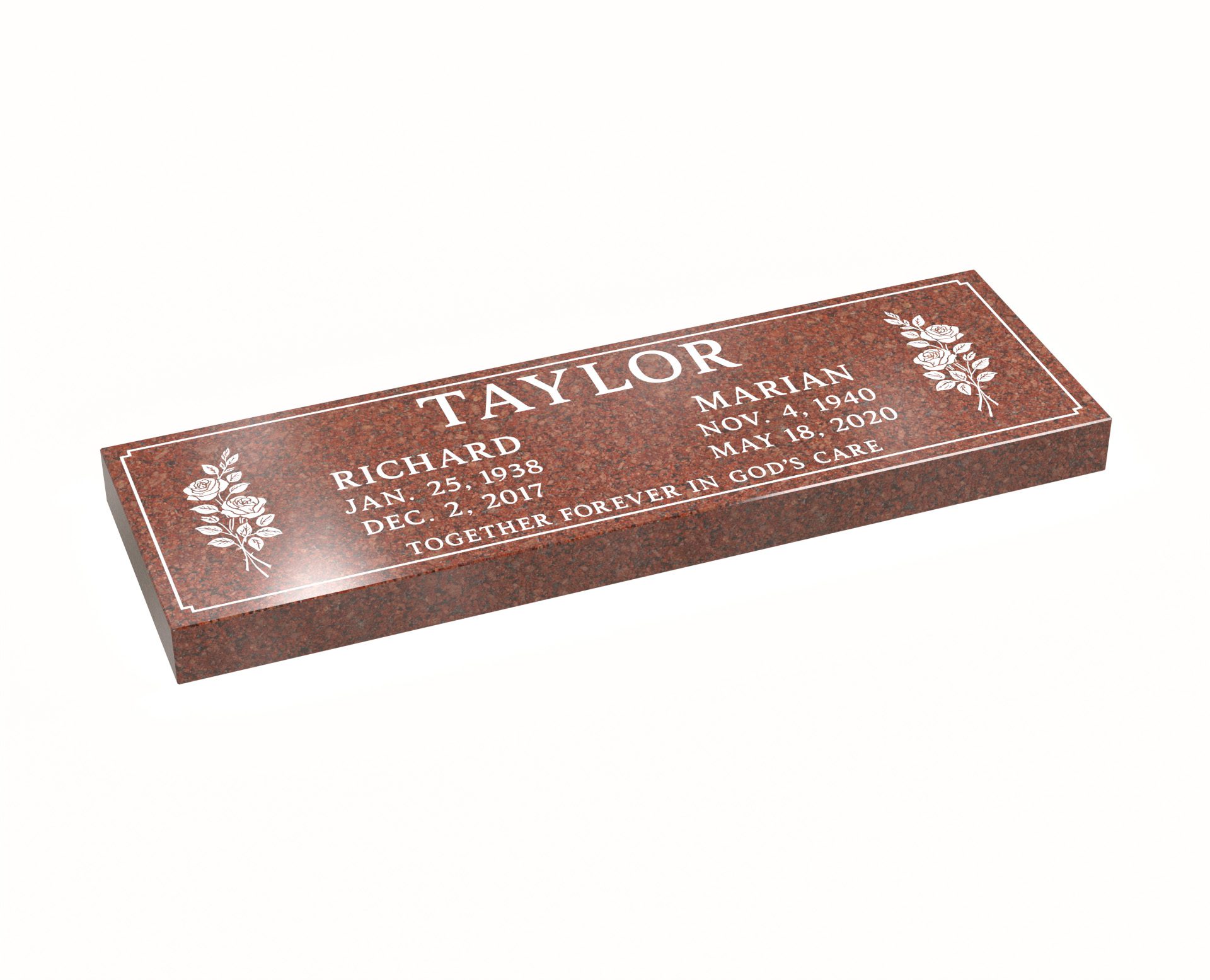
Start with what this is not. It is not a companion monument – not the wide 60-inch double stone spanning two plots that most people picture when they hear “headstone for a couple.” A single headstone with two names is exactly what the words say: one standard-width stone, one plot, two people. The distinction sounds like hair-splitting until you’re the family standing in a cemetery office learning that you own one plot, not two, or holding a budget that covers one monument, or burying a mother and the infant she never got to raise. Then the distinction becomes the whole conversation.
Memory Stones handles these orders every week, and they follow patterns worth explaining properly, because almost nothing written about memorials addresses the single-stone-two-names situation directly. Families piece it together from companion monument articles that don’t quite fit. This one fits. It covers the burial arrangements that make one plot hold two people, the layouts that make one tablet hold two names with dignity, the situations that bring families here, and what it all costs – which is usually less than they feared.
What Makes This Different From a Companion Monument
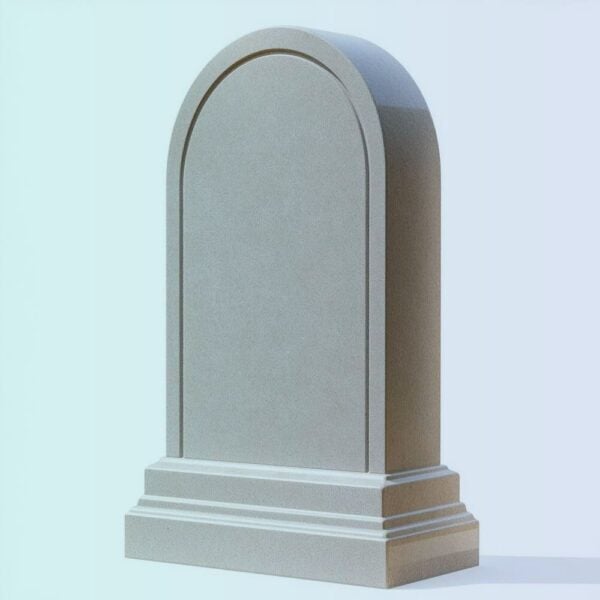
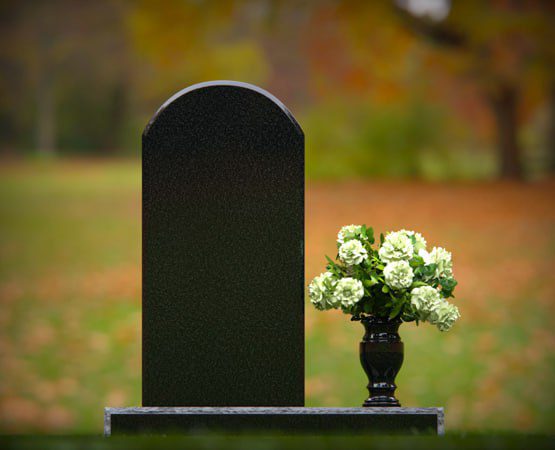
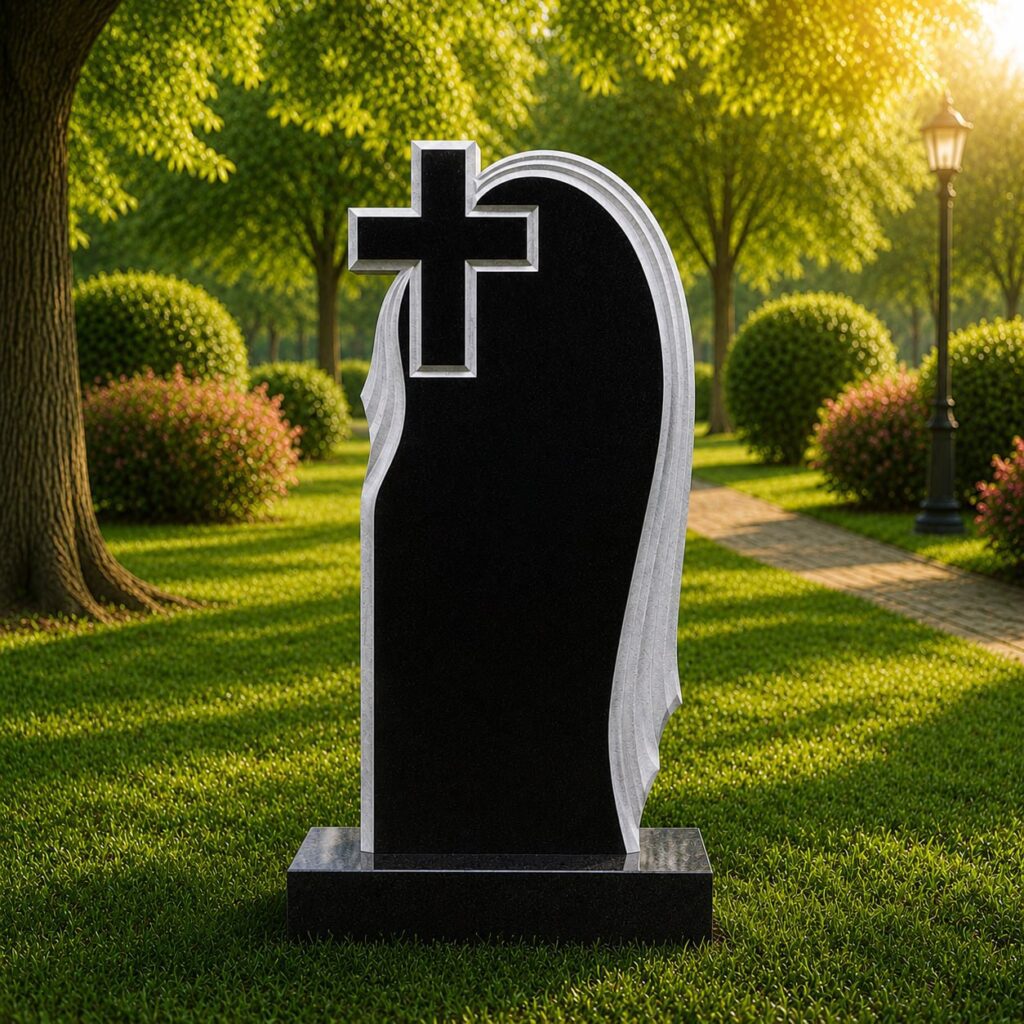
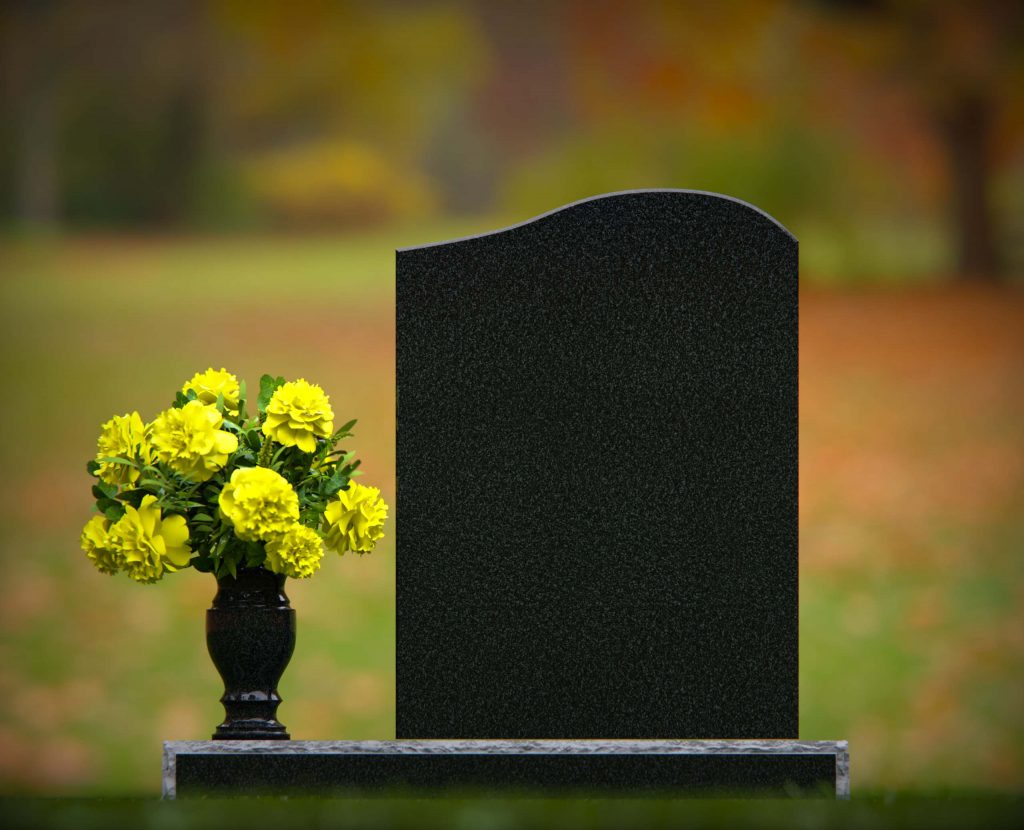
The companion monument solves a width problem: two adjacent plots, one wide stone bridging them. The single stone solves a different geometry entirely. A standard single upright runs 24 to 36 inches wide. A single flat marker, 24 by 12. Getting two complete memorials – two names, two date pairs, sometimes two inscriptions – onto that canvas without crowding either person is a genuine design discipline, and it produces layouts the wide companion never needs.
The other difference is beneath the grass. A companion assumes two graves side by side. The single stone usually stands over one plot holding two people, which is more common and more accepted than most families realize, and which the next section explains, because cemetery staff often assume everyone already knows.
The Double Depth Plot Nobody Explains Until You Ask
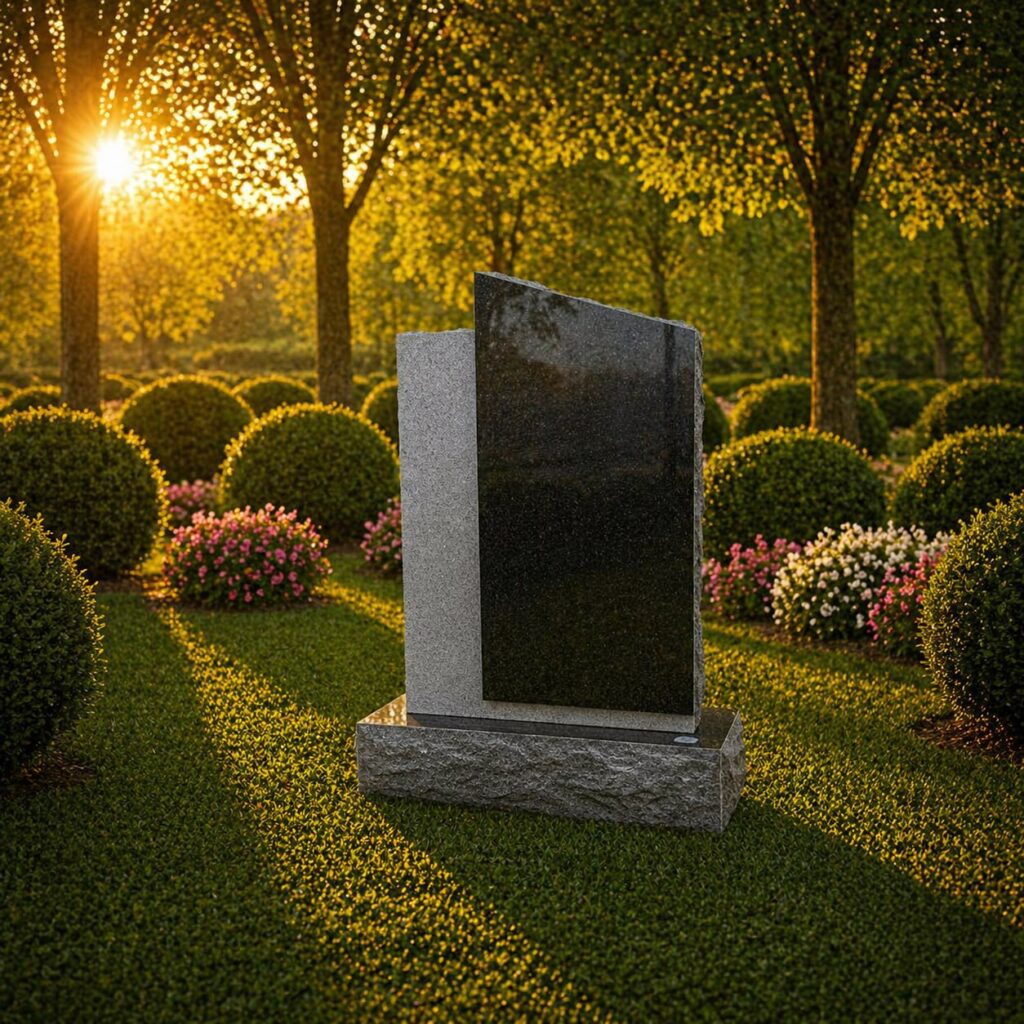
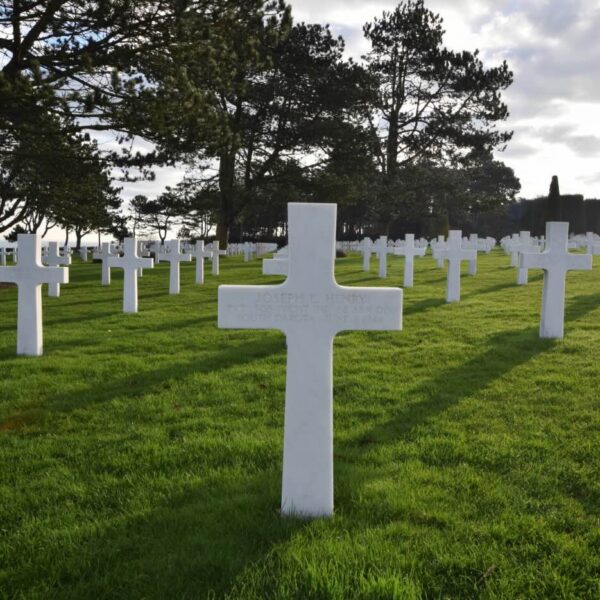
Here is the arrangement that makes most of this category possible: double-depth burial. Many cemeteries – a substantial share of those we work with from Sacramento to Essington – sell single plots excavated deep enough for two caskets, one placed above the other, typically years apart. One plot purchased, two burials accommodated, one monument at the head. The practice is old, ordinary, and quietly everywhere; entire sections of American cemeteries hold married couples this way, and visitors walking past would never know.
The variations multiply from there. One casket and one cremation urn share a single plot in most grounds that allow it. Two urns share one easily. Some cemeteries permit an urn to be added to an existing single grave decades after the first burial – a widow joining her husband in the plot the family bought in 1985 – and that late addition is precisely the moment families come to us asking whether the existing stone can take a second name, or whether a new single headstone with two names should replace it.
Both answers exist. Existing stones with room can often be lettered on-site, matched to the original cutting. Stones without room get replaced, and the old monument can sometimes be repurposed as a footstone or garden piece rather than discarded, which families find unexpectedly comforting. Either way, the plot itself was never the obstacle. Ask your cemetery one question – what does this plot legally hold – before assuming anything, and if you’d rather not ask, we’ll ask for you. We already know most of the answers in the regions around our Tulsa, Houston, Galloway, and Laguna Woods locations anyway.
The Situations That Bring Families to One Stone
Watch a month of these orders and the same handful of stories repeat. The married couple with one plot, by choice or by circumstance – double-depth burial, one upright, both names. The widow or widower joining a spouse buried years ago under a stone too small or too worn, replaced now with one monument naming them both, sometimes forty years apart in death and one line apart in granite.
The mother and infant, or the parent and adult child, sharing a plot and a stone – the hardest files in the shop, handled the most carefully. Two siblings, more often than people guess, especially brothers and sisters who lived whole lives in the same town and asked to stay together. Cremation couples whose two urns need only one small plot and one modest marker. And the practical family, honest about money, who found that one well-made stone honoring two people beats two thin ones – a judgment we frankly agree with, and one the pricing section will support with numbers.
None of these families chose a lesser version of something. They chose the right-sized version of the same thing everyone wants: names kept together, in stone, where people can visit.
Fitting Two Names on a Single Width Tablet
Now the craft. Two names on a narrow face arrange themselves in three workable ways, and choosing among them is most of the design meeting.
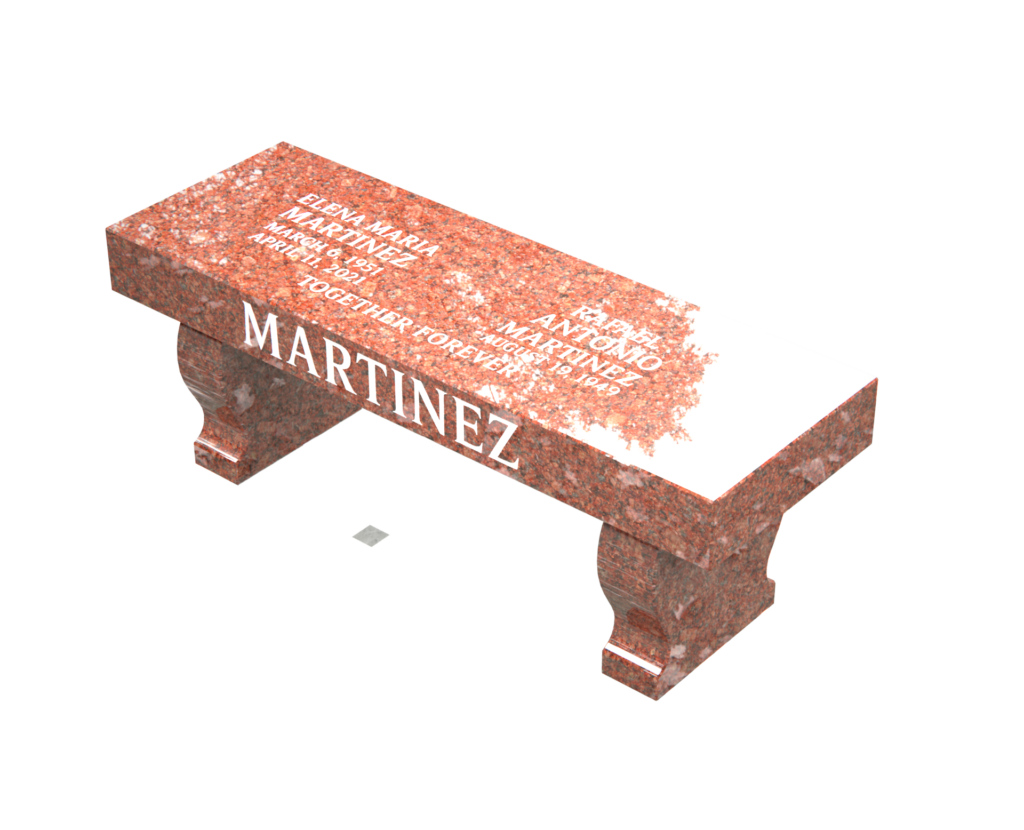
The stacked layout places one full name-and-dates block above the other, usually the first to die on top by tradition, though families override tradition freely and should. Stacking reads calmly and fits the most inscription per inch, and on a 24-inch upright it is often the only layout that keeps lettering at readable size. The split layout divides the face vertically into two slim columns – a miniature companion – which works on 30-to-36-inch stones and preserves the side-by-side feeling couples often want, at the cost of shorter lines and tighter dates. The unified layout surrenders symmetry altogether: a shared surname crowning the stone, both first names beneath in a single composition, one verse for two people, treating the pair as one story rather than two adjacent ones. Second marriages and parent-child stones lean unified more than couples do, for reasons that make sense the moment you see the layouts side by side.
Font discipline decides whether any of these succeed. Two names mean roughly double the characters of a single memorial on the same real estate, so we spec condensed but open letterforms, hold names above the readability floor even when it means shortening a verse, and show every trade-off in the 3D preview before anyone commits. A crowded stone reads as crowded forever. An edited one reads as intentional. The editing is our job, done gently, with the family holding the veto.
Mother and Child on One Stone
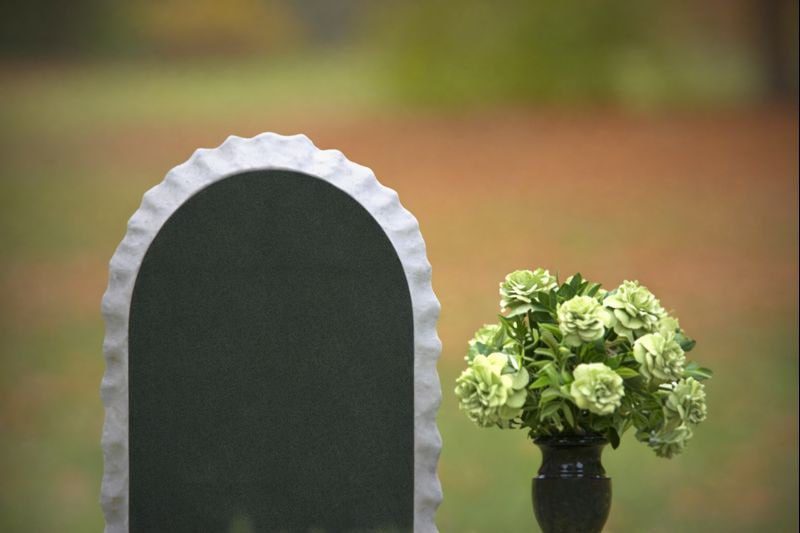
This situation deserves its own quiet section, written carefully. When a mother and her baby are buried together – a loss in childbirth, or an infant placed with a mother who died young – one plot and one stone is the near-universal choice, and the design conventions around it are old and kind. The mother’s name carries the primary position; the child’s name sits within or beneath it, often with a single date where birth and death fell on the same day, sometimes with only a first name, or the words “and infant son” or “and infant daughter” in the old style still cut today. A small carved lamb, a pair of footprints, an angel in the corner. Nothing loud. The restraint is the tribute.
Families in this situation should hear one thing plainly: there is no rushed timeline. The cemetery marks the grave temporarily, and the stone can be designed months later, when designing it becomes possible. Our designers have sat with these families in Edmond and Orlando and on long quiet phone calls with parents in North Carolina and Kansas, and the proof gets revised as many times as it needs. The two-revision standard exists for ordinary orders. This is not an ordinary order, and nobody here treats it like one.
Second Marriages and Blended Families
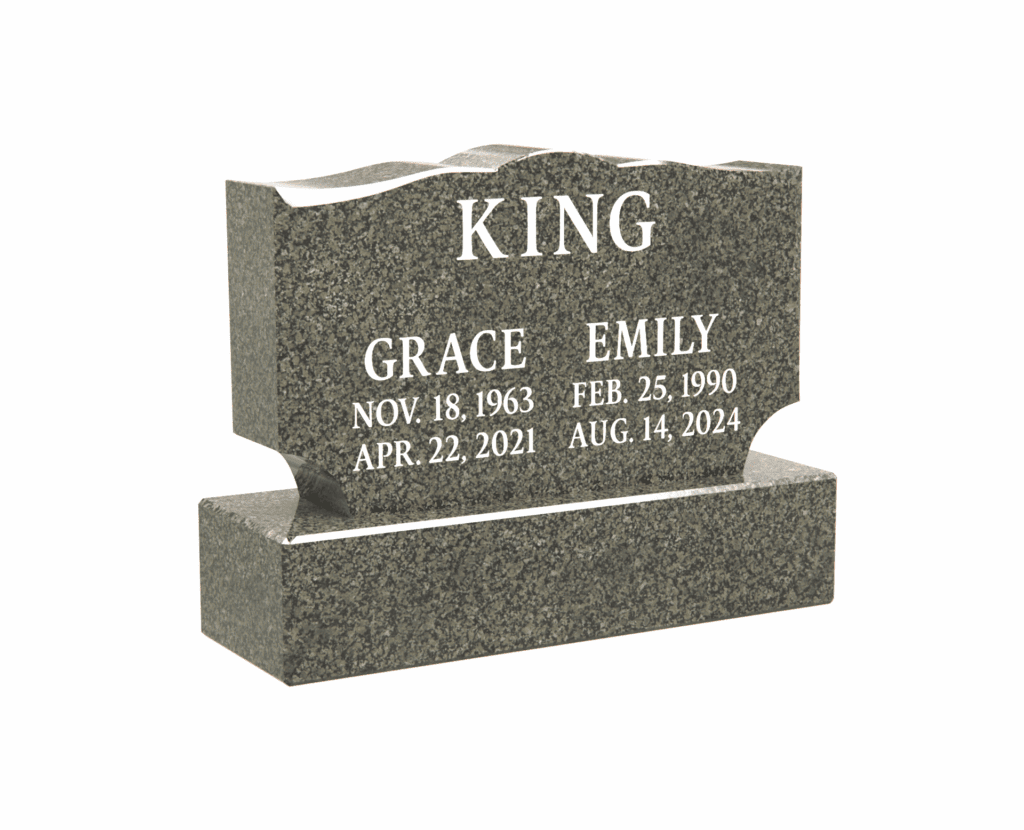
A different delicacy, just as real. Second marriages produce single-stone questions constantly: a husband buried beside his first wife under a companion stone, and a second wife, decades later, sharing a plot elsewhere with her own single headstone with two names planned – hers and the daughter from her first marriage, perhaps. Or a couple, each widowed once, choosing one plot and one stone for their late-life marriage while their earlier chapters rest in other cemeteries entirely.
The design answer is almost always the unified layout – the shared story treated as one – and the human answer is that granite has no opinion about the shape of a family. We’ve cut stones naming a woman and her sister, a man and his lifelong best friend buried by mutual arrangement, two cousins raised as twins. The cemetery deed and the family’s wishes are the only approvals that matter, and our job is composition, not commentary. Families sometimes arrive braced for judgment about an unconventional pairing. They leave having argued about fonts like everyone else, which is exactly how it should go.
Cremation Makes One Plot Enough for Two
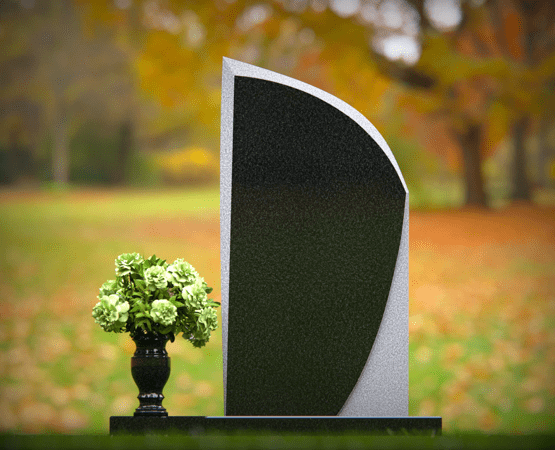
The rise of cremation has quietly turned this category into the fastest-growing one we serve. Two urns fit where one casket did, most cemeteries permit exactly that, and the memorial above scales down gracefully: a single upright, a slant, even a 24-by-12 flat marker carries two names comfortably when the layout is stacked and the lettering disciplined. Cremation niches in columbarium walls hold couples behind one engraved granite front – the single stone with two names in its most compact form. And families keeping urns at home increasingly order a small garden monument, both names cut in granite, standing where the couple actually lived rather than where a deed says.
The economics follow the footprint. One cremation plot instead of two burial plots, one modest stone instead of a wide companion, and the total cost of keeping two people together drops to a fraction of the traditional arrangement without one ounce of the meaning going missing.
What It Costs and Why It Often Costs Less
Numbers, because this article promised them. A flat marker carrying two names starts at the same $55 sale price a single-name flat does – the second name is engraving, not stone, and standard engraving is included here. A slant for two runs the same $700 to $1,500 territory as any slant. A single-width upright with two names lands around the Classic Arch’s $2,330 after the current 35% full-payment discount, against the $2,800 to $5,500 a companion monument commands. Add the plot math – one double-depth plot against two singles – and the one-stone route commonly saves families several thousand dollars while giving up nothing that matters at the graveside.
The offer structure applies unchanged: 35% off with full payment storewide, the same 35% for veterans and first responders, 0% in-house financing to 12 months, extended plans to 24, pre-need to 36 months at 0%, free shipping, lifetime warranty on the work, and the 10% price match against comparable quotes. Pre-need suits this category especially – a couple securing one double-depth plot and one finished stone, both names cut, dates open, everything settled for less than most people spend on a used car.
Seeing Both Names in Place Before You Decide
Every layout question this article raised – stacked or split, font size, verse length, whether 24 inches can truly hold two lives with grace – answers itself on screen before it costs anything. The configurator on each product page at memorystones.us takes both actual names, renders the stone in 3D as you build it, and the AR preview stands the finished monument at true scale on the plot itself through your phone. Families who can visit see samples in person at our showrooms in Sacramento, Los Angeles, Laguna Woods, Hesperia, Houston, Allen, Dickinson, Tulsa, Edmond, Enid, Plainfield, Lemont, Galloway, Essington, Tukwila, Roseland, Orlando, and Spartanburg; families everywhere else – New York to Arkansas – finish the whole process remotely with the same designers and a free proof carrying two revisions.
One stone, two names, done well, says something the wide monuments never quite manage: that these two people needed no distance between them, not even in granite. Plenty of families figure that out standing at the AR preview, both names floating on the plot, and go quiet for a second. We’ve learned to let the quiet finish before anyone speaks.


 SUMMER SALE - 35% OFF everything with full payment
 10% OFF on installment plans
