





How to Choose Granite Shades and Surface Finishes for Headstones

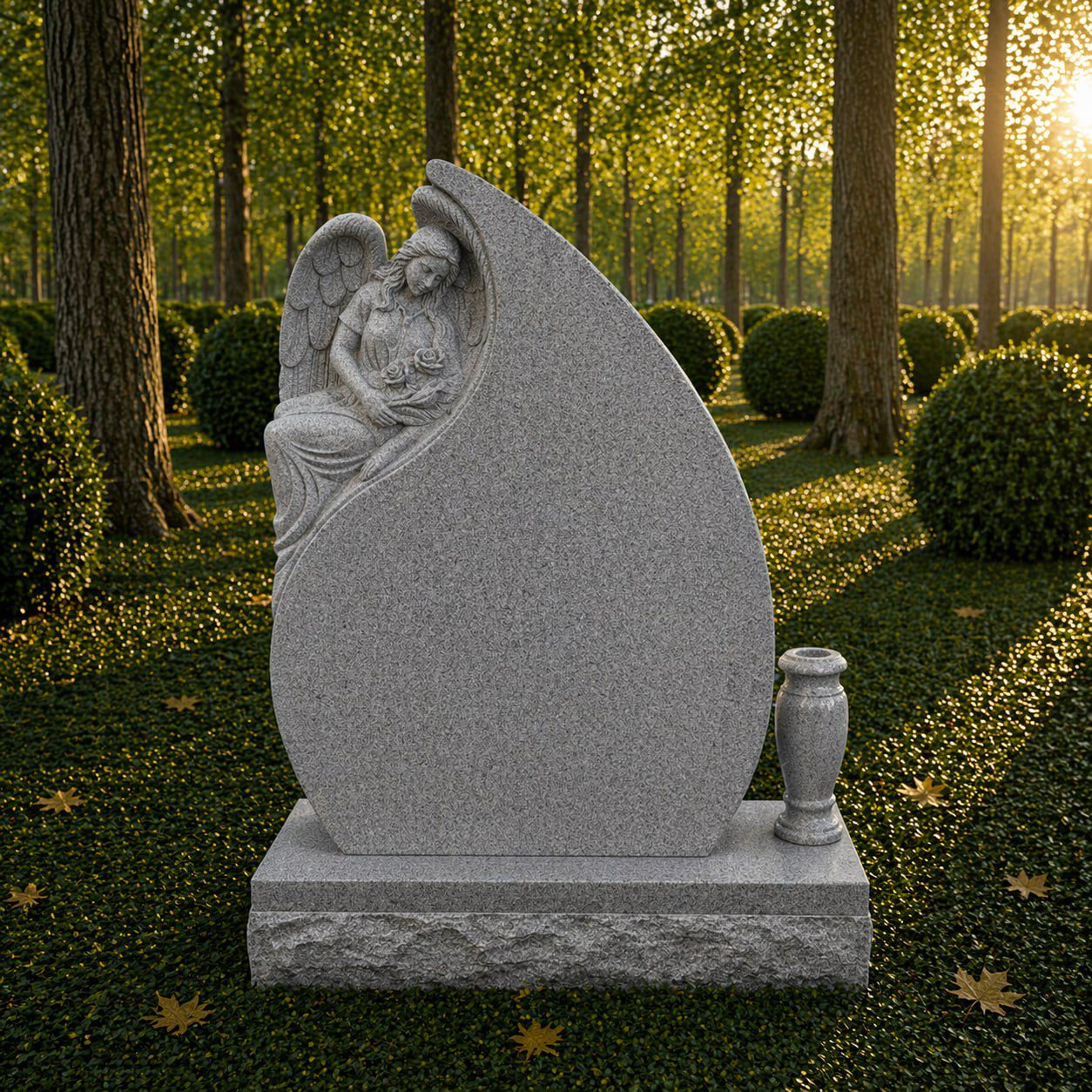
Selecting a headstone is a profound and deeply personal process. It is a lasting tribute to a loved one, designed to withstand the test of time and the elements for generations. Because of its exceptional hardness, durability, and natural beauty, granite is the undisputed standard for memorialization. However, simply choosing “granite” is only the first step.
The final appearance of a monument is dictated by two critical factors: the natural shade (color and grain) of the stone, and the surface finish applied by memorial craftsmen. The interplay between these two elements determines not just the aesthetic beauty of the headstone, but also how legible the inscriptions will be, how it will weather over decades, and what types of custom artwork can be applied.
This comprehensive guide will walk you through the nuances of selecting the perfect granite shade and surface finish, ensuring your memorial choice is both beautiful and structurally sound.
Part 1: Understanding Granite Shades and Colors
Granite is an igneous rock formed from slowly cooling magma deep beneath the Earth’s surface. Its characteristic speckled appearance comes from the visible crystals of its three main mineral components: quartz, feldspar, and mica. The specific balance of these minerals, along with trace elements present during formation, determines the stone’s final color.
Because granite is a natural product quarried from different regions around the world—from the deep mines of India and Africa to the historic quarries of North America—no two stones are exactly alike. When choosing a shade, you are choosing a unique piece of geological history.
1. The Classic Blacks and Grays
These are the most traditional and widely used colors in monument design, known for their timeless elegance and excellent contrast for lettering.
-
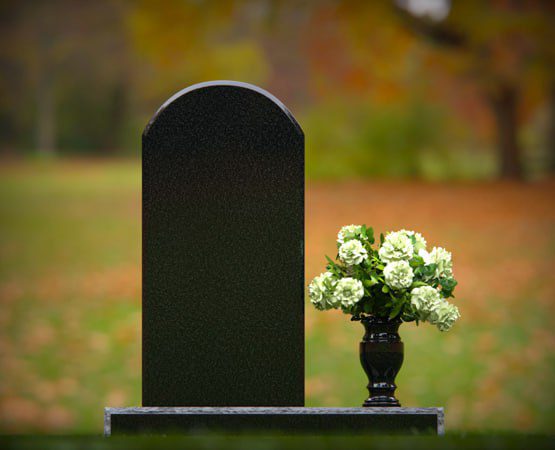
Absolute Black (Premium Black): Sourced primarily from India or Africa, this is the most sought-after granite for highly detailed memorials. It features an incredibly fine, almost invisible grain, resulting in a solid, deep black canvas. It provides the highest possible contrast for engraving and is the only acceptable shade for detailed laser-etched portraits or scenery.
-
Barre Gray: Quarried in Barre, Vermont (often called the “Granite Capital of the World”), this is the iconic American memorial stone. It features a medium grain with a balanced mixture of white, light gray, and darker flecks. It is exceptionally weather-resistant and offers a highly traditional aesthetic.
-
Impala Dark (Dark Gray): A charcoal or dark gray stone with a tighter grain than standard light grays. It offers a softer look than Absolute Black but still provides excellent contrast for traditional sandblasted lettering.
2. The Warm Tones: Reds, Pinks, and Browns
Warm-toned granites often evoke a sense of comfort, warmth, and individuality. They stand out beautifully against the green grass of a cemetery.
-
Mountain Red / India Red: A striking, vibrant red stone with dark gray and black speckling. It is bold, elegant, and takes a high polish exceptionally well.
-
Salisbury Pink: A lighter, softer option featuring dominant pale pink feldspar crystals mixed with white quartz and black mica. It has a gentle, peaceful appearance but requires deeper or darkened engraving to ensure the text remains legible.
-
Mahogany (Dakota Mahogany): Quarried in the United States, this stone features a rich, complex blend of warm browns, deep reds, and black crystals. It has a highly textured visual appearance and conveys a sense of rugged natural beauty.
3. The Cool and Unique Tones: Blues and Greens
For a truly distinctive memorial, cool-toned granites offer a serene and elegant alternative to standard grays and blacks.
-
Bahama Blue: Sourced from India, this stunning stone features flowing waves of deep violet-blue, dark blue, and gray. Because the pattern is often wavy or striated (rather than uniformly speckled), every headstone made from Bahama Blue is entirely unique.
-
Pearl Green / Emerald Pearl: Often sourced from Norway, these granites feature large, iridescent feldspar crystals that catch and reflect the sunlight, giving the stone a three-dimensional, luminescent quality. The base is typically dark green or almost black, with flashes of vibrant green or blue.
Strategic Considerations When Choosing a Shade
When browsing colors, keep the following practical aspects in mind:
-
Contrast for Legibility: Light granites (like pink or light gray) offer low natural contrast for sandblasted letters. To make text readable, the letters must be carved deeply, painted (lithichrome), or outlined. Dark granites (like black or dark gray) offer high natural contrast when the polished surface is removed to reveal the lighter, raw stone beneath.
-
Artwork Requirements: If you want a photo-realistic laser etching, you must choose a fine-grained, solid black granite. Laser etching on colored or heavily speckled granite will be practically invisible.
-
Maintenance of Painted Letters: If you choose a light stone that requires painted lettering for visibility, be aware that the paint will eventually fade and require re-application every 10 to 15 years, depending on the climate.
Part 2: Decoding Surface Finishes
Once a granite block is cut into the shape of a headstone, the exterior surfaces must be treated. The “finish” refers to the texture and sheen applied to the stone. Different finishes can be combined on a single monument—for example, a headstone might have a polished front and back, but pitched (rough) edges.
The finish dramatically alters the color of the stone. A highly polished granite will look much darker and richer than the exact same stone left unpolished.
1. Polished
A polished finish is completely smooth and highly reflective, similar to a mirror or a glass surface. It is achieved by grinding the stone with progressively finer diamond abrasive pads until the natural pores of the stone are sealed and a high gloss is achieved.
-
Aesthetic Impact: Deepens the natural color of the granite, highlights the crystal structure, and provides the most formal, elegant look.
-
Practicality: Excellent for repelling water, dirt, and biological growth (like moss or lichen). It is very easy to wipe clean.
2. Honed (Semi-Polished / Matte)
A honed finish is perfectly smooth to the touch but lacks the reflective gloss of a polished stone. The grinding process is simply stopped before the final polishing stages.
-
Aesthetic Impact: Provides a soft, matte, and slightly muted appearance. The stone will look slightly lighter than its polished counterpart. It eliminates glare from the sun, making it easier to read inscriptions from certain angles.
-
Practicality: Often required by older or more historic cemeteries that want to maintain a muted, vintage aesthetic and prohibit highly reflective modern stones.
3. Pitched (Rock Pitch / Rustic)
This is a rough, highly textured finish that mimics the look of naturally broken stone. It is created manually by a craftsman using a hammer and a wide chisel to break away the edges of the granite.
-
Aesthetic Impact: Gives the monument a rugged, natural, and grounded appearance. It is almost always used on the sides (margins) and base of a headstone, framing the polished front face.
-
Practicality: Extremely durable and requires zero maintenance, as it is designed to look rough and weathered.
4. Steeled / Frosted
A steeled or frosted finish is achieved by lightly sandblasting a previously polished surface. This removes the gloss and creates a very fine, lightly textured, whitish surface.
-
Aesthetic Impact: Generally used to create contrast. Craftsmen often frost the area inside a carved panel or outline letters with a frosted border to make them stand out against a polished background.
-
Practicality: Because the surface is slightly textured and the pores are open, frosted areas can trap dirt over time and may require occasional scrubbing with a soft brush and water.
5. Thermal (Flamed)
A thermal finish is created by passing an intensely hot flame over the surface of the granite, causing the crystals on the very top layer to pop and fracture.
-
Aesthetic Impact: Results in a slightly bumpy, highly textured, but uniform surface. It looks more refined than pitched edges but much rougher than honed.
-
Practicality: Most commonly used for flat marker bases, ledger stones, or granite steps, as it provides excellent slip-resistance if people will be walking near or on it.

Part 3: Comparison of Granite Finishes
To help synthesize the practical differences between the most common memorial finishes, refer to the comparison table below.
| Finish Type | Visual Appearance | Texture | Maintenance Level | Best Application / Use Case |
| Polished | Highly reflective, dark, vibrant color. | Glass-smooth. | Low. Easily wiped clean; resists moss and dirt. | Front/back faces; laser etching; modern designs. |
| Honed | Matte, muted color, zero glare. | Smooth and flat. | Low to Medium. Dirt can settle in micro-pores. | Historic cemeteries; areas with extreme sun glare. |
| Pitched | Natural, rugged, raw rock. | Jagged, rough. | Zero. Designed to look natural and weathered. | Outer edges, borders, and monument bases. |
| Frosted | Whitish, opaque contrast. | Fine sandpaper. | Medium. Requires occasional brushing to remove dust. | Backgrounds for lettering; design accents. |
| Thermal | Uniformly textured, muted. | Bumpy, non-slip. | Low. | Flat ledgers, coping, or architectural bases. |
Part 4: Crucial External Factors in Your Decision
Choosing the shade and finish isn’t entirely an aesthetic exercise. You must also navigate real-world constraints before finalizing your monument order.
Cemetery Rules and Regulations
This is the single most important factor. Never order a headstone without first consulting the cemetery’s written guidelines. Many cemeteries have strict bylaws regarding both color and finish.
-
Finish Restrictions: Many memorial parks prohibit “all-polished” monuments (where the top and sides are polished) to prevent blinding glare across the grounds. They may mandate pitched edges. Conversely, some historic cemeteries ban polished faces entirely, requiring a honed finish to match 19th-century marble and slate stones.
-
Color Restrictions: Some religious or veteran cemeteries require uniformity and may restrict colors to specific shades of gray or granite to maintain a cohesive landscape.
Climate and Environmental Factors
The environment where the headstone will be placed should influence your choice of finish.
-
Wooded Areas: If the cemetery is heavily shaded by trees, sap and bird droppings will be a factor. A highly polished surface is highly recommended here, as it can be easily washed clean. A fully honed or frosted stone under a pine tree will quickly absorb sap and become difficult to maintain.
-
High Humidity: In damp, humid climates, moss and lichen thrive on porous surfaces. While lichen won’t damage granite, it will obscure lettering. Opting for polished faces will significantly slow down biological growth.
The Style of Engraving
The physical carving technique must match the stone.
-
V-Sunk Lettering: The traditional method of sandblasting deep, V-shaped grooves into the stone. This works brilliantly on dense stones like Barre Gray or Mahogany.
-
Laser Etching: A computerized laser burns away the top microscopic layer of polished stone. This requires Absolute Black granite with a Polished finish. No other combination will yield high-quality, photographic results.
Conclusion
A granite headstone is a permanent architectural record of a life lived. By understanding the geology behind granite shades and the craftsmanship behind surface finishes, you can make informed decisions that balance aesthetic beauty, practical legibility, and long-term durability.
Whether you choose the high-contrast elegance of polished Absolute Black, the warm rustic appeal of pitched Mahogany, or the timeless tradition of honed Barre Gray, selecting the right combination ensures that your tribute will remain a dignified and beautiful focal point for generations of remembrance.





 SUMMER SALE — 35% OFF IN-STOCK PRODUCTS WITH FULL PAYMENT — PROMOTION EXTENDED THROUGH AUGUST 31!
 10% OFF on installment plans
