





Upright Headstones: Cultural and Religious Design Elements

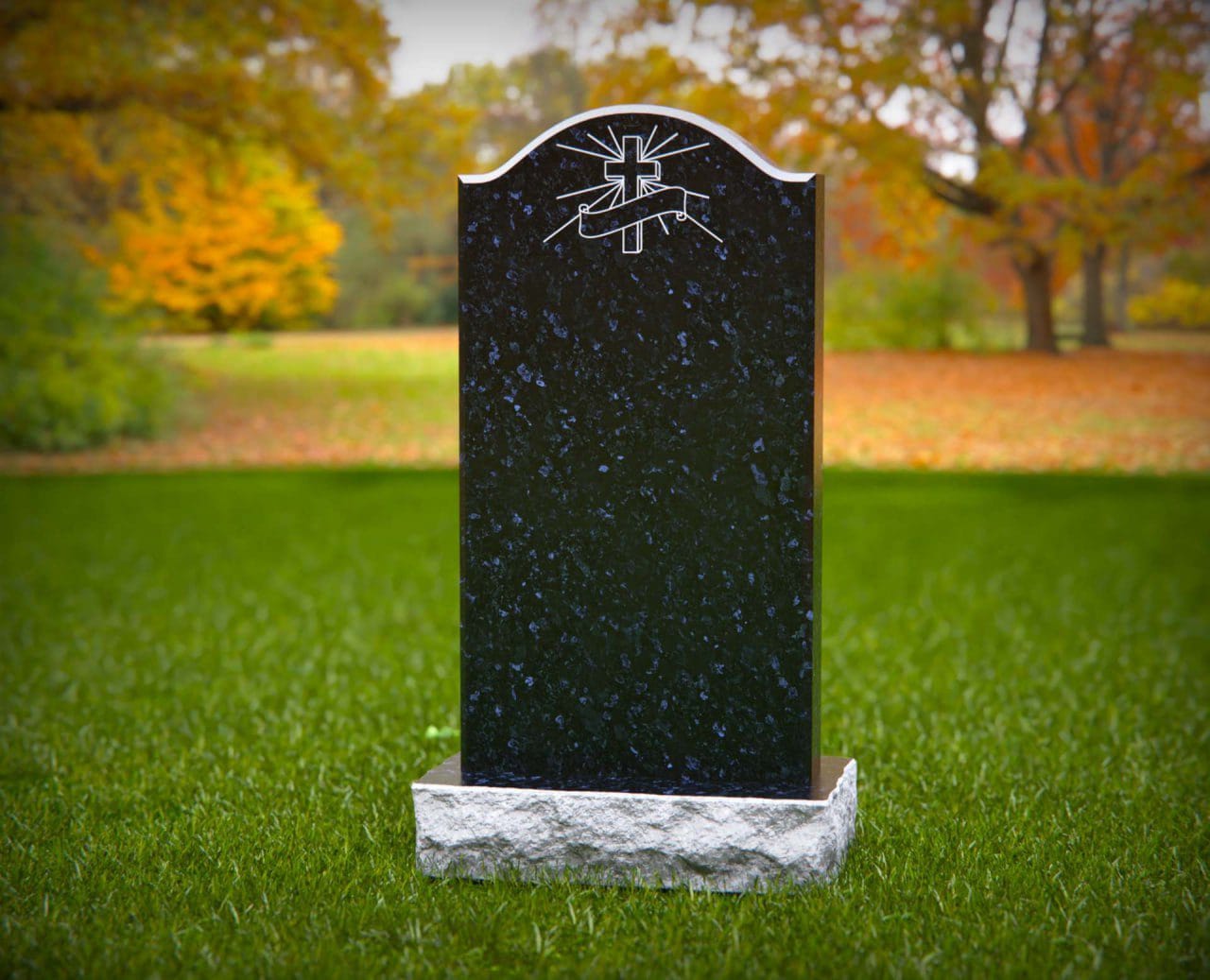
The practice of marking a final resting place is a tradition as old as human civilization itself. Throughout history, humanity has sought ways to immortalize the memories, beliefs, and legacies of those who have passed away. Among the myriad ways to memorialize a life, the upright headstone stands as one of the most classic, dignified, and visually striking choices. Towering above the ground, an upright headstone serves as a lasting sentinel, a focal point for mourning, reflection, and historical record.
When discussing upright monuments, the conversation invariably centers on the design elements that adorn them. These elements are rarely arbitrary; they are deeply rooted in cultural heritage, religious doctrine, and personal philosophy. This comprehensive guide explores the intricate tapestry of cultural and religious design elements found on upright headstones, highlighting how these timeless symbols are masterfully rendered in granite, the premier stone for memorialization.
The Premier Canvas: The Role of Granite in Memorialization
Before delving into the specific symbols and cultural motifs, it is essential to understand the medium through which these designs are expressed. Granite is universally recognized as the ultimate material for crafting upright headstones. An igneous rock formed from the slow crystallization of magma below the Earth’s surface, granite is composed primarily of quartz, feldspar, and mica. This natural composition grants it extraordinary hardness and resilience.
Granite is impervious to the most severe environmental conditions. Whether exposed to the blistering sun, torrential rains, freezing snow, or relentless winds, an upright granite headstone maintains its structural integrity and aesthetic beauty across centuries. Furthermore, granite is available in a breathtaking array of colors, from the deep, reflective depths of Absolute Black to the sweeping, elegant veins of Bahama Blue, Mountain Red, and classic Barre Gray.
The density of granite allows artisans to employ a variety of techniques to bring cultural and religious symbols to life. Traditional deep-V hand carving creates stark, readable lettering and bold iconography that casts distinct shadows. Sandblasting allows for uniform, precise stenciling of complex patterns. Modern laser-etching technology takes advantage of fine-grained, dark granites to produce hyper-realistic, photographic images directly on the surface of the stone. Through these methods, granite becomes a permanent canvas for honoring any cultural or religious tradition.
Christian Traditions: Symbols of Faith and Resurrection
In Christian traditions, the upright headstone is often viewed as a testament to faith, a beacon of hope, and a reminder of the promise of resurrection. The symbols utilized in Christian memorialization are rich with theological meaning and historical significance.
The Cross
The cross is undoubtedly the most ubiquitous symbol found on Christian upright headstones. However, its variations are vast and culturally significant:
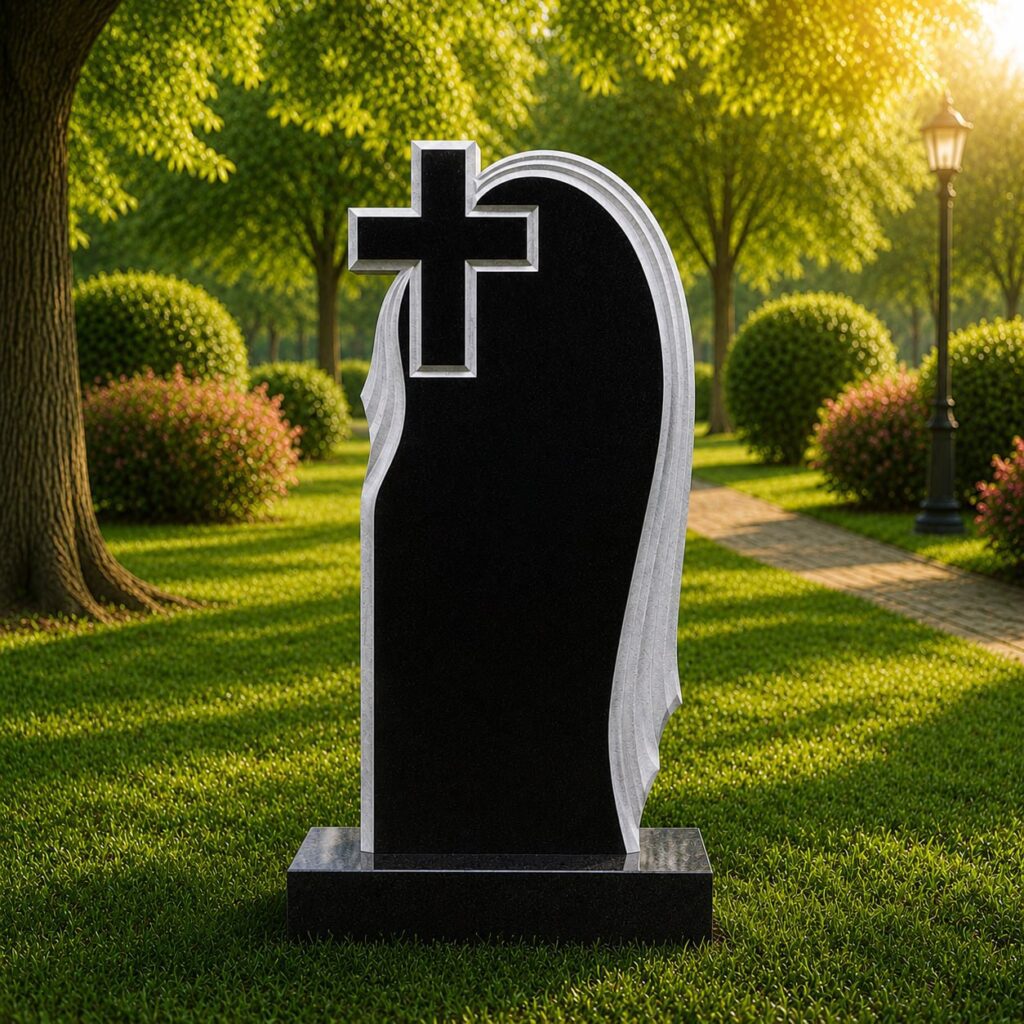
- The Latin Cross: The most common form, consisting of a long vertical unadorned bar intersected by a shorter horizontal one. It represents the crucifixion of Jesus Christ and the core tenet of salvation.
- The Celtic Cross: Characterized by a traditional cross intersected by a circle at the central point. The circle is often interpreted as a symbol of eternity, the endlessness of God’s love, or the halo of Christ. Celtic crosses are frequently adorned with intricate, unbroken knotwork carved deeply into the granite, symbolizing the interconnectedness of life and the spiritual realm.
- The Eastern Orthodox Cross: Also known as the Russian Orthodox cross, this design features three horizontal crossbeams. The top bar represents the sign placed above Christ’s head, the middle bar is for his arms, and the slanted bottom bar represents the footrest, slanting upward to symbolize the repentant thief who was crucified alongside him.
Angelic Figures
Angels are prevalent in Christian memorial architecture, often acting as guardians of the deceased or messengers of God. On upright granite headstones, angels can be depicted in various postures. A weeping angel draped over a pedestal signifies deep sorrow and an untimely death. An angel pointing upward directs the viewer’s thoughts toward heaven and the afterlife. The durability of granite ensures that the delicate features of an angel’s wings and face remain distinct for generations.
The Dove and Praying Hands
The dove, often depicted in mid-flight or carrying an olive branch, is a powerful symbol of the Holy Spirit, peace, and purity. Praying hands, famously popularized by Albrecht Dürer’s sketch, represent devotion, piety, and the constant supplication of the soul. These elements are frequently sandblasted or etched into the upper corners of an upright granite marker.
Jewish Memorial Customs: Permanence and Identity
Jewish traditions regarding death and burial emphasize simplicity, equality, and the enduring nature of memory. The upright headstone, known in Hebrew as a matzevah, is traditionally unveiled in a special ceremony nearly a year after the passing. Granite is the standard choice for the matzevah due to its steadfastness, reflecting the permanence of the soul and the enduring legacy of the deceased.
The Star of David (Magen David)
The six-pointed Star of David is the universally recognized symbol of Judaism and the Jewish people. On upright granite headstones, it is usually placed prominently at the top center of the monument, serving as a clear and proud declaration of the deceased’s faith and heritage.
The Menorah
The seven-branched candelabrum, or Menorah, is one of the oldest symbols of the Jewish faith, historically associated with the Holy Temple in Jerusalem. On headstones, it often symbolizes the light of God, spiritual illumination, and the presence of the divine. It is particularly common on the headstones of women, recalling the tradition of lighting the Shabbat candles.
Symbols of Lineage: The Cohen and Levi
Jewish headstones often feature symbols that denote the tribal lineage of the deceased:
- The Hands of the Cohen: Two hands with fingers arranged in the traditional priestly blessing (thumbs touching, fingers split into two distinct pairs). This signifies that the deceased was a Cohen, a descendant of the priestly tribe of Aaron.
- The Pitcher of the Levi: A water pitcher or basin indicates that the deceased was a Levite, whose traditional duty was to wash the hands of the Cohanim before the blessing.
Hebrew Typography
A central element of the Jewish upright headstone is the inscription. Granite allows for crisp, enduring Hebrew lettering. Headstones typically feature the Hebrew letters Pey-Nun (standing for “Here lies”) at the top, and conclude with the abbreviation Taf-Nun-Tzadi-Bet-Hey, which translates to “May his/her soul be bound up in the bond of eternal life.”
Islamic Grave Markers: Reverence and Simplicity
Islamic burial customs are dictated by Sharia law, which emphasizes modesty, simplicity, and equality in death. While traditions vary significantly depending on the cultural region, the underlying principles remain consistent. Graves are always aligned so that the deceased faces Mecca (the Qibla).
Architectural and Structural Elements
In many Islamic cultures, upright headstones are used to mark both the head and the foot of the grave. These markers are often designed with architectural nuances inspired by mosques. The tops of the upright granite stones may be carved into distinct dome shapes or feature traditional Moorish arches. The use of granite is highly favored because its natural beauty requires no ostentatious decoration to appear dignified.
The Crescent and Star
While not originally an Islamic symbol, the crescent moon and star have become widely associated with the faith and are frequently engraved on the upright headstones of Muslims. The symbol often represents guidance, the lunar calendar by which Islamic rituals are timed, and the light of faith in the darkness.
Arabic Calligraphy
The most profound design element on an Islamic headstone is the use of Arabic calligraphy. Because the depiction of sentient beings (humans or animals) is generally discouraged in Islamic funerary art, artistic expression is channeled into the breathtakingly beautiful rendering of the written word. Expertly carved into the unyielding granite, one will often find the Bismillah (“In the name of Allah, the Most Gracious, the Most Merciful”) or specific verses (Ayahs) from the Quran. The stark contrast achievable with polished and unpolished granite makes this calligraphy visually striking.
Common Religious Symbols on Upright Granite Headstones
| Symbol | Associated Religion | Primary Meaning / Significance |
| Celtic Cross | Christianity (Celtic/Irish) | Eternity, the endlessness of God’s love, interconnectedness. |
| Hands of Cohen | Judaism | Priestly blessing, descendant of the tribe of Aaron. |
| Crescent & Star | Islam | Divine guidance, light of faith, connection to the lunar calendar. |
| Lotus Flower | Buddhism / Hinduism | Purity, spiritual awakening, rising above the murkiness of the world. |
| Menorah | Judaism | Spiritual illumination, light of God, historically tied to the Holy Temple. |
| Weeping Angel | Christianity | Deep sorrow, mourning, protection of the soul, an untimely passing. |
Secular, Fraternal, and Modern Cultural Motifs
Not all upright headstones are defined strictly by religious doctrine. Many families choose to incorporate secular, cultural, or deeply personal elements that celebrate the specific passions, affiliations, and personality of the deceased. Granite’s versatility allows for a limitless array of customizations.
Flora and Fauna
The language of flowers was heavily utilized in Victorian cemetery art and continues today. Carving botanical motifs into granite is a way to convey subtle meanings.
- The Rose: Represents love, beauty, and grace. A severed rosebud often indicates a life cut tragically short.
- The Oak Leaf and Acorn: Symbolizes strength, endurance, steadfastness, and a long life well-lived.
- Ivy: Because it stays green year-round and clings tightly to its support, ivy signifies immortality, fidelity, and undying affection.
- Animals: Doves (peace), eagles (courage, military service, or freedom), and even domestic pets are frequently etched into the stone to represent the deceased’s connection to nature.
Fraternal and Civic Organizations
For many individuals, their association with a fraternal order, military branch, or civic organization was a defining aspect of their lives. Upright granite headstones frequently display the square and compass of the Freemasons, the interlocking links of the Odd Fellows, the elk of the BPOE, or the official seals of the Army, Navy, Air Force, or Marines. These emblems are usually deeply engraved to ensure they stand as a permanent record of service and brotherhood.
Portraits and Landscapes
With the advent of modern laser-etching technology, the design possibilities for upright granite headstones have expanded exponentially. Premium black granite, in particular, acts as a perfect canvas for high-resolution laser etching. Families can now have photorealistic portraits of their loved ones permanently burned into the stone. Furthermore, sprawling landscapes—such as a beloved mountain range, a peaceful fishing cabin, a family farm, or a serene ocean sunset—can be etched across the face of the monument, creating a highly personalized and visually stunning tribute.
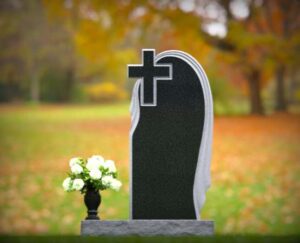
Essential Considerations for Design
When conceptualizing the design elements for an upright granite headstone, there are several key factors to keep in mind to ensure the final monument is both beautiful and structurally sound:
- Cemetery Regulations: Always consult with the cemetery administration first. Many cemeteries have strict guidelines regarding the size, shape, and permissible designs for upright headstones.
- Granite Color vs. Design Visibility: Complex, fine-line engravings and laser etchings require dark, solid-colored granite (like Premium Black) for maximum contrast. Deep-V carvings look excellent on lighter granites where shadow creates the contrast.
- Balance and Symmetry: A well-designed headstone balances the text (name, dates, epitaph) with the imagery. Overcrowding the stone can make it difficult to read and aesthetically unpleasing.
- Cultural Appropriateness: Ensure that any religious or cultural symbols used are oriented correctly and accurately depicted according to tradition.
- Epitaph Selection: Choose an epitaph that complements the visual design elements. A short, impactful phrase often resonates more powerfully than a lengthy paragraph.
Conclusion
The creation of an upright headstone is a profound act of love and remembrance. It is a physical manifestation of a life lived, a tangible anchor for grief, and a permanent historical record. The cultural and religious design elements carved into these monuments—whether it be the eternal circle of a Celtic cross, the proud geometry of a Star of David, the flowing grace of Arabic calligraphy, or the delicate petals of a granite rose—serve to tell the unique story of the individual resting beneath.
Because this monument is meant to last for eternity, the choice of material is paramount. Granite provides an unyielding, beautiful, and highly adaptable canvas capable of holding the finest details and withstanding the harshest elements. Selecting the right combination of granite color, finish, and meaningful iconography allows families to construct a tribute that is both culturally resonant and deeply personal.
When the time comes to create a lasting tribute, families can rely on Memory Stones to provide exceptionally crafted granite monuments, combining compassionate service with remarkable affordability and rapid manufacturing times to ease the burden during difficult moments. By understanding the rich vocabulary of funerary symbolism and utilizing the unmatched qualities of granite, we ensure that the memories of our loved ones are preserved with dignity, beauty, and enduring strength for generations to come.
Quick Reference Guide to Granite Finishes for Design Elements
| Finish Type | Appearance & Texture | Best Suited For |
| Polished | Smooth, highly reflective, mirror-like gloss. Deepens the stone’s natural color. | High-contrast laser etching, elegant modern designs, and easy maintenance (repels water and debris). |
| Steeled (Honed) | Smooth but matte, non-reflective finish. | Traditional deep-V carving, highlighting the natural grain of the stone without glare. Excellent for intricate floral borders. |
| Rock-Pitched | Rough, natural, jagged texture, usually left on the sides/edges of the upright stone. | Creating a rustic, enduring look. Often used to frame a polished or steeled front panel, symbolizing raw strength. |
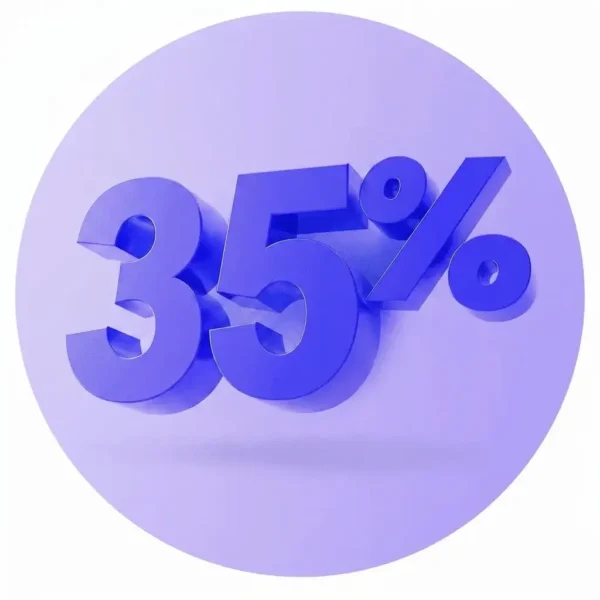


 SUMMER SALE — 35% OFF IN-STOCK PRODUCTS WITH FULL PAYMENT — PROMOTION EXTENDED THROUGH AUGUST 31!
 10% OFF on installment plans
