





Upright Headstones: How to Choose the Right Size and Shape

Selecting a memorial for a loved one is a profoundly personal and emotionally significant journey. Among the various options available, upright headstones stand as the most traditional, prominent, and enduring markers of a life well-lived. They offer a canvas for storytelling, a focal point for grief and remembrance, and a permanent historical record for future generations. When embarking on the process of designing an upright memorial, two of the most critical decisions you will face are determining the appropriate size and selecting the perfect shape.
This comprehensive guide is designed to navigate you through the intricate details of choosing the right size and shape for an upright granite headstone. By understanding the structural components, cemetery regulations, and the aesthetic interplay between dimensions and silhouettes, you can create a beautiful, lasting tribute that perfectly encapsulates the memory of your loved one.
The Timeless Appeal of Granite
Before delving into the specifics of size and shape, it is essential to understand the material that forms the foundation of the world’s most enduring upright monuments: granite. For centuries, granite has been the universally accepted standard for cemetery memorials, and for excellent reason.
Granite is an igneous rock formed from magma cooling slowly deep beneath the Earth’s surface. This intense, high-pressure geological process results in a stone of exceptional hardness, density, and structural integrity. An upright headstone must withstand the relentless elements—scorching sun, freezing rain, driving snow, and high winds—for decades and even centuries. Granite possesses an unparalleled natural resistance to weathering, ensuring that the sharp edges of its shape and the intricate details of its engravings remain pristine over time.
Furthermore, granite offers an incredible diversity of natural aesthetics. Depending on the mineral composition of the specific quarry from which it is harvested, granite can be found in profound, reflective blacks, vibrant ruby reds, deep oceanic blues, and an endless array of speckled grays and soft pinks. This means that once the size and shape are determined, the granite itself adds a profound layer of personalization. By focusing exclusively on granite, you are guaranteeing a memorial that is not only visually striking but structurally uncompromising.
Anatomy of an Upright Headstone
To make informed decisions about size and shape, it is helpful to understand the basic anatomy of an upright memorial. An upright headstone typically consists of two primary granite components:
- The Die (or Tablet): This is the main, vertical portion of the monument. It is the primary canvas for the inscription, artwork, epitaphs, and any photographic elements. The shape of the die is what gives the monument its distinctive silhouette.
- The Base: This is the horizontal block of granite upon which the die rests. The base serves a vital structural purpose, providing a wide, stable foundation that distributes the heavy weight of the die and prevents it from leaning or sinking into the earth. It also protects the die from lawnmowers and landscaping equipment.
The relationship between the die and the base is crucial. They must be proportional in size to ensure structural stability and visual harmony.
Deciding on the Right Size: A Step-by-Step Approach
Choosing the size of an upright headstone is rarely a completely free choice; it is a delicate balance between personal preference, budget, and, most importantly, the strict parameters set by the cemetery.
- Cemetery Regulations and Plot Size
The absolute first step in choosing a size is to consult the cemetery’s governing rules and regulations. Every cemetery—and often different sections within the same cemetery—has a strict set of bylaws dictating the minimum and maximum dimensions for monuments.
Cemetery regulations typically govern:
- Maximum Height: To maintain a uniform aesthetic across the landscape and prevent monuments from becoming safety hazards in high winds.
- Maximum Width: The base of the monument generally cannot exceed the width of the burial plot. A standard single plot might allow a base up to 30 inches wide, while a companion plot might allow 60 inches or more.
- Thickness: The die must have a minimum thickness (usually 6 to 8 inches) to ensure it is structurally sound enough to stand upright without risk of snapping.
- Single vs. Companion Monuments
The size of the headstone will naturally be dictated by how many individuals it is meant to memorialize.
- Single Upright Headstones: Designed for a single grave, these are typically taller than they are wide. A common size for a single die might be 24 inches wide by 30 inches tall.
- Companion (Double) Upright Headstones: Designed to span two adjacent graves, often for a married couple. These are significantly wider than single stones to accommodate two sets of names and dates side-by-side. A standard companion die might be 36 to 48 inches wide and 24 to 30 inches tall.
- Family Monuments: For larger family plots encompassing several graves, the central monument can be massive, sometimes spanning 5 feet or more in width, serving as a central focal point with smaller, individual footstones marking the specific graves.
- Proportions and Visual Weight
When deciding on the size, consider the “visual weight” of the granite. A monument that is too tall but too thin may look precarious, while one that is very wide but extremely short may look squat. The golden ratio is often applied in monument design to ensure the height and width of the die relate pleasingly to one another and to the base below it.
Below is a table outlining standard size ranges to help you visualize typical dimensions.
Standard Dimensions for Upright Granite Headstones
| Type of Headstone | Component | Typical Width (Inches) | Typical Height (Inches) | Typical Thickness (Inches) |
| Single Upright | Die | 20″ – 24″ | 24″ – 30″ | 6″ – 8″ |
| Base | 28″ – 32″ | 6″ – 8″ | 10″ – 14″ | |
| Companion Upright | Die | 36″ – 48″ | 20″ – 28″ | 6″ – 8″ |
| Base | 48″ – 60″ | 6″ – 8″ | 12″ – 14″ | |
| Large Family | Die | 54″ – 72″+ | 30″ – 40″+ | 8″ – 10″+ |
| Base | 66″ – 84″+ | 8″ – 10″ | 14″ – 18″ |
(Note: These are industry averages. Always verify exact permitted dimensions with your specific cemetery before proceeding.)
Choosing the Perfect Shape: Silhouettes and Symbolism
Once the size parameters are established, you can move on to the most expressive aspect of the design: the shape. Because granite is carved using powerful diamond-tipped saws and precision tools, it can be sculpted into almost any conceivable silhouette. The shape of the upright die sets the tone of the memorial.
Popular Upright Headstone Shapes
The top edge of the die is where the majority of the shaping occurs. Here are the most traditional and enduring shapes:
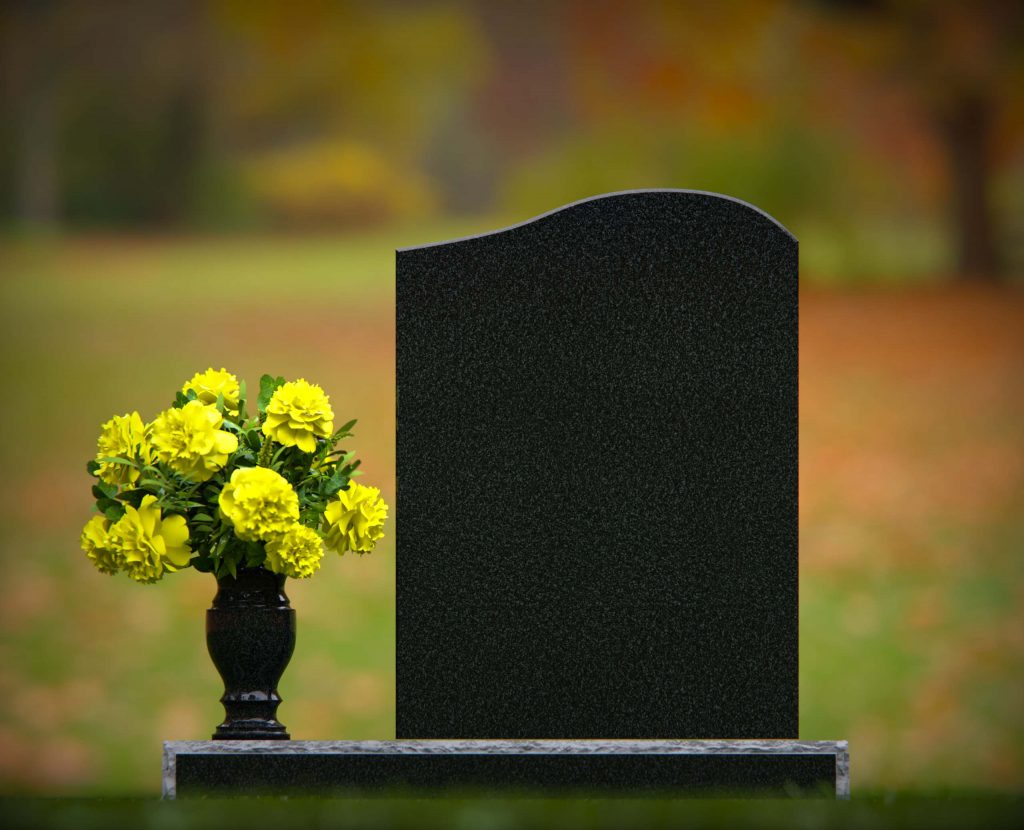
- Serpentine (Serp) Top: This is arguably the most classic and widely recognized headstone shape. The top edge features a gentle, flowing curve—higher in the center and dipping gracefully toward the sides. It offers a soft, elegant look that perfectly accommodates a central family name.
- Flat Top: Clean, modern, and understated. The top edge is cut perfectly straight across at a 90-degree angle. This shape is excellent for maximizing the surface area available for engraving and provides a sturdy, geometric aesthetic.
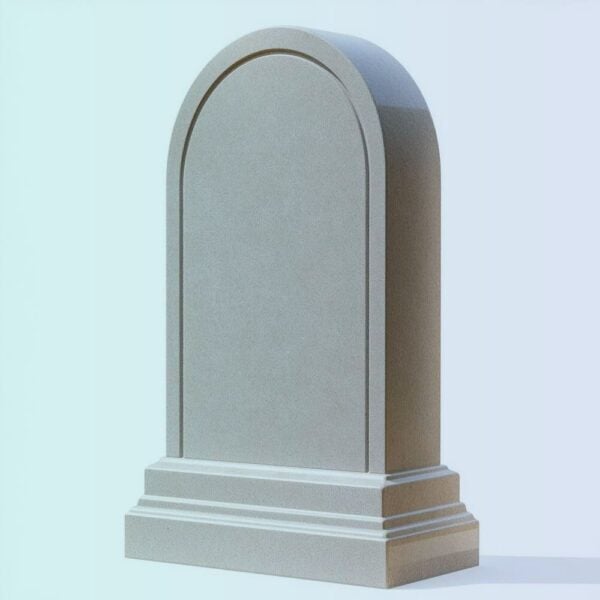
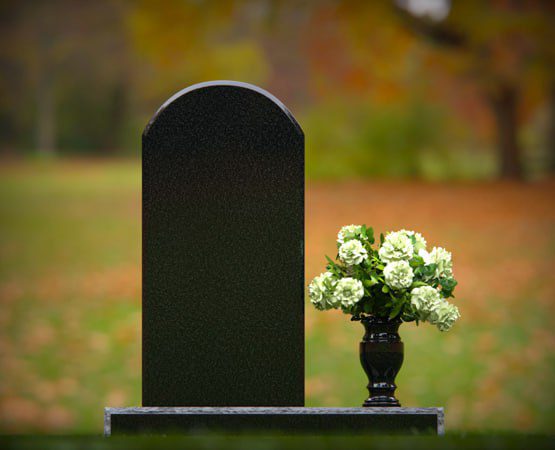
- Oval Top: Similar to the serpentine top but with a continuous, convex curve that creates a rounded dome effect. This shape has a very traditional, historic feel.
- Roof Top (Pitched): The top features two sloped planes that meet at a central peak, resembling the roof of a house. This shape has classic architectural roots and is excellent at shedding water and snow.
- Gothic Top: Drawing inspiration from historic cathedrals, the top edges curve upward to meet at a sharp, pronounced point in the center. It implies a reaching toward the heavens and carries strong religious or traditional connotations.
Specialized and Custom Shapes
Beyond the traditional top-edge cuts, the entire piece of granite can be sculpted into specialized forms that carry deep symbolic meaning.
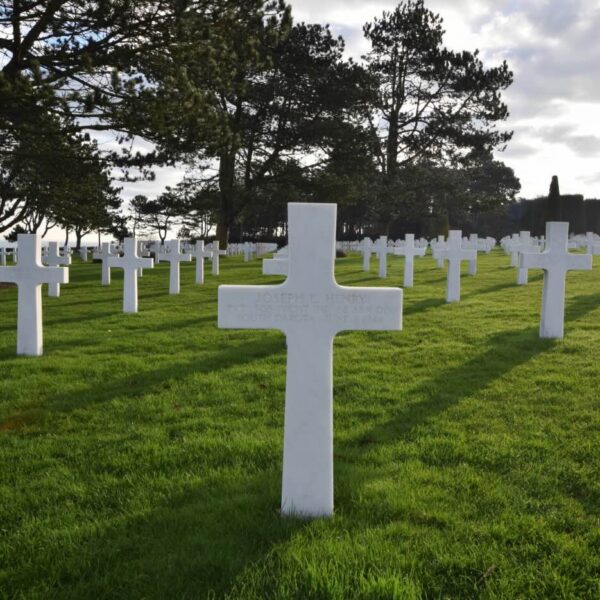
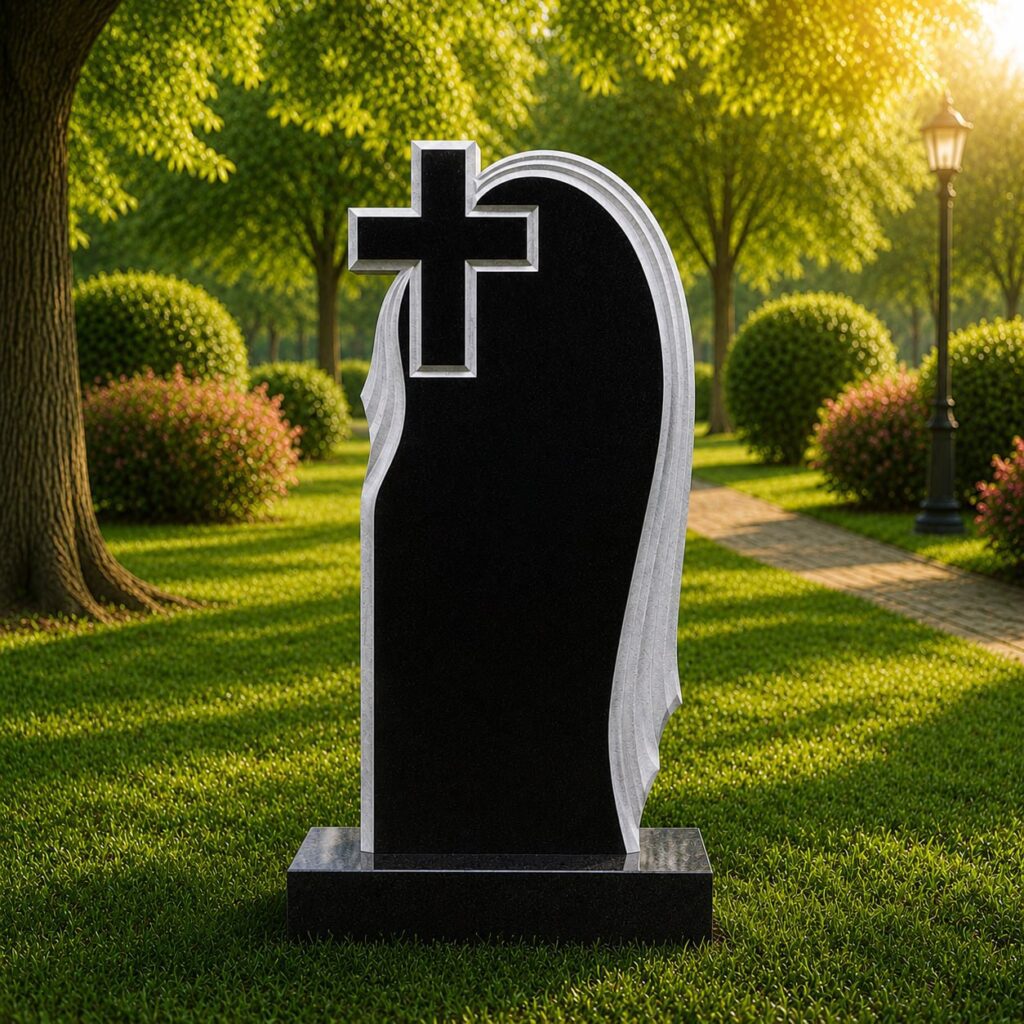
- The Cross: The entire die is sculpted in the shape of a cross. This is a profound statement of Christian faith. Crosses can be simple and smooth, or highly ornate with intricate Celtic knotwork carved into the granite.
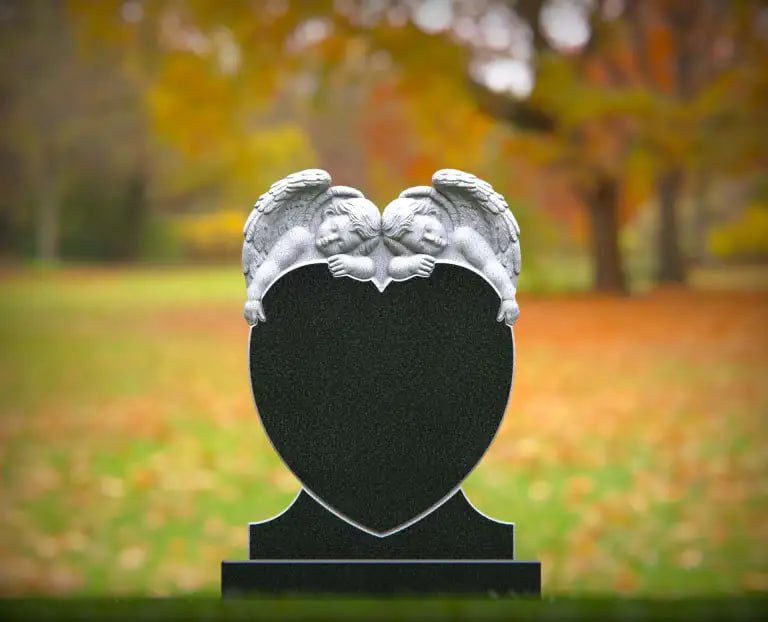
- The Heart: The granite is carved into a single or double heart. This is a universal symbol of enduring love, frequently chosen for companion headstones or memorials for children.
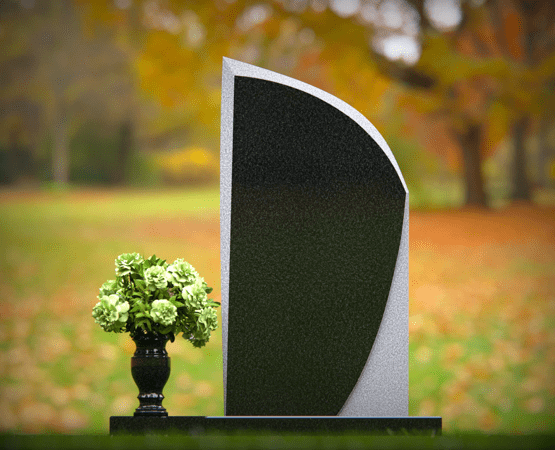
- The Teardrop: An asymmetrical, elegant shape that evokes both grief and grace. It provides a unique, sweeping canvas for the lettering.
- Custom Sculptures: Because granite is so versatile, skilled artisans can carve the stone into entirely custom shapes—such as an open book, a musical instrument, a motorcycle, or an angel.
Factors to Consider When Choosing a Shape
When selecting the silhouette for your granite upright headstone, consider the following elements:
- Engraving Space: Highly ornate shapes with severe cutouts (like a deeply carved cross) reduce the total flat surface area available for names, dates, and epitaphs. If you have a lengthy poem or large portrait to include, a simpler shape like a Flat or Serp top is advisable.
- Maintenance: Shapes with many deep crevices, tight inside corners, or highly intricate carvings will accumulate dust, grass clippings, and hard water stains more easily than a smooth, simple shape.
- Visual Balance: Consider how the shape will look in relation to the chosen size. A very tall, thin piece of granite might look overly severe with a sharp Gothic top, whereas a Serp top might soften its appearance.
- Cemetery Context: Take a walk through the section of the cemetery where the plot is located. While you want your memorial to be unique, you may also want to choose a shape that harmonizes nicely with the surrounding historical context.

The Interplay of Finishes with Size and Shape
While not strictly a matter of dimensions or silhouette, the finish applied to the granite profoundly impacts how the size and shape are perceived by the human eye.
- Polished: A high-gloss, mirror-like finish that brings out the deepest colors and highest contrast in the granite. A polished finish makes a stone look sharp, crisp, and modern. It emphasizes the exactness of the shape.
- Steeled (or Frosted): A smooth but matte finish with no reflection. This softens the look of the granite, making the shape feel less severe and more subdued.
- Rock Pitch: A rough, natural-looking finish created by manually chipping the edges of the granite with a chisel. Having a rock-pitched edge on a polished die provides a beautiful textural contrast and makes the monument appear more grounded, heavier, and robust.
Conclusion
Choosing the right size and shape for an upright headstone is a process of balancing technical constraints with deep emotional expression. By understanding the enduring strength of granite, adhering to cemetery regulations, and carefully considering how different shapes convey meaning and accommodate your desired inscriptions, you can craft a monument that stands as a perfect, eternal tribute. Take your time, consult with experts, and allow the design to evolve until it feels right.
To help summarize the decision-making process, refer to the final checklist below.
Quick Checklist for Finalizing Your Upright Granite Headstone
| Step | Action Item | Details to Confirm |
| 1. Verification | Check Cemetery Bylaws | Maximum height, maximum width, allowed base dimensions, permitted finishes. |
| 2. Size Selection | Determine Monument Type | Single, Companion, or Family plot. |
| 3. Shape Selection | Choose the Silhouette | Serp top, flat top, cross, heart, etc. Consider the emotional tone. |
| 4. Layout Check | Evaluate Engraving Space | Ensure the chosen shape and size leave enough room for all desired text and artwork. |
| 5. Base Coordination | Select the Base | Ensure the base length securely accommodates the die and meets cemetery regulations. |
When you are ready to take the next step and bring your vision to reality, Memory Stones is dedicated to guiding you through this process with compassion, offering highly accessible pricing and remarkably fast production times without ever compromising on the enduring quality of our premium granite craftsmanship.





 SUMMER SALE — 35% OFF IN-STOCK PRODUCTS WITH FULL PAYMENT — PROMOTION EXTENDED THROUGH AUGUST 31!
 10% OFF on installment plans
