





Bronze Headstones for Graves That Outlast the Weather and the Years

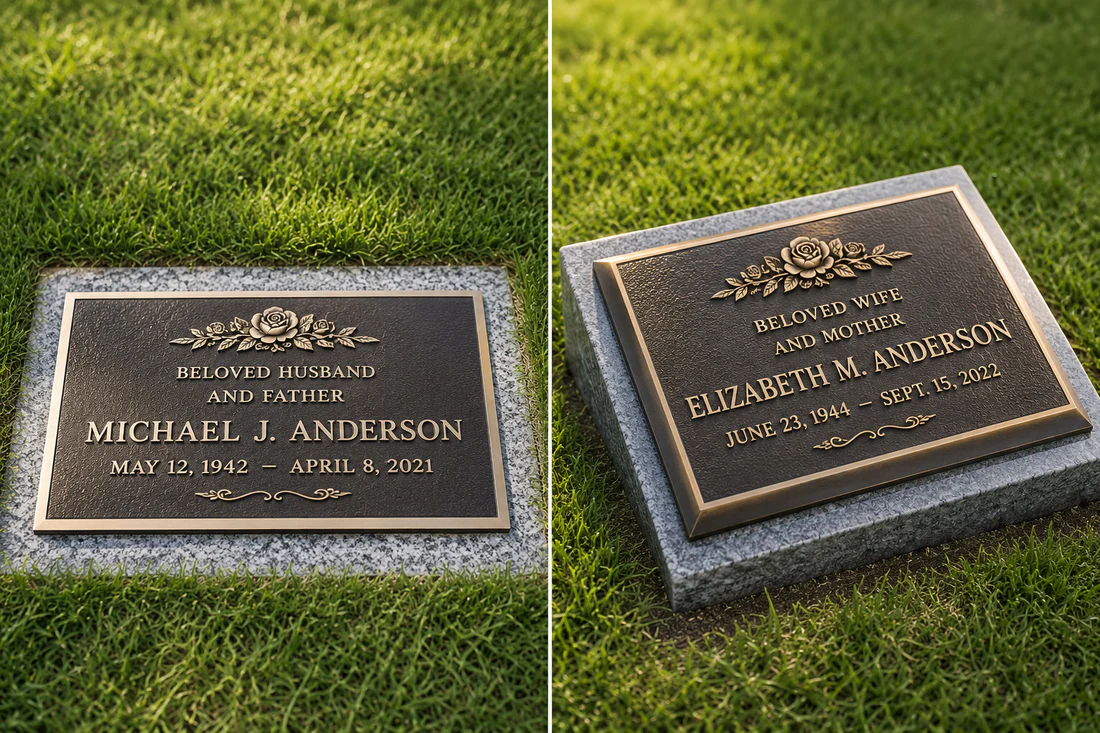
The first thing people notice is the warmth. Not heat – color. A bronze headstone catches late afternoon light and holds it, this low amber glow that granite never quite gives you. I have stood in cemeteries from Sacramento to Tulsa watching families see that for the first time, and there is almost always a pause. A small one. Then someone reaches out and touches it.
So let me tell you what we actually make, and why bronze headstones for graves still matter after more than a century of being the standard in memorial parks across the country.
Bronze is an alloy – mostly copper, with tin and a little of this and that. Cast, not carved. The lettering and the artwork are formed in the mold and then the whole face is finished by hand, so what you end up with is a raised surface that the eye reads instantly, even from the path. Memory Stones keeps bronze markers and the granite bases they sit on in stock, ready to engrave and ship, with showrooms you can walk into across California, Texas, Oklahoma, Florida, Ohio, Illinois, New Jersey, and Washington. That part matters more than people expect. You can see the metal in person before you commit to anything.
Why so many memorial parks ask for a bronze headstone
Here is the thing nobody tells you until you are standing at the cemetery office.
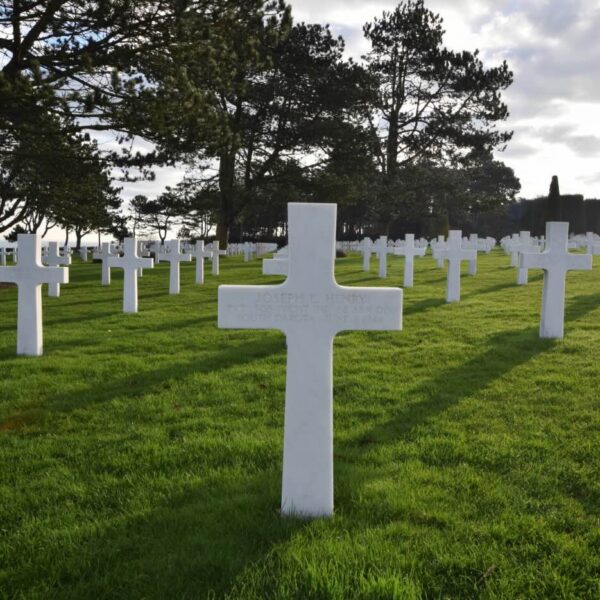
A lot of the newer memorial parks – the ones with the wide flat lawns and no upright stones anywhere – require a bronze marker set into a granite base, flush with the grass. It is a maintenance decision on their part. The mowers pass right over. And it gives the whole section that calm, uninterrupted look, where the grief is present but the landscape keeps breathing.
So families come to us already knowing they need bronze, sometimes without knowing why. We walk them through it. A bronze headstone in this setup is the metal plate itself, cast with the name and dates and whatever emblem or border the family chooses, mounted on a granite foundation that anchors it and frames it. The granite we pull from our own quarry-direct stock – Indian Black, the greys, sometimes a warmer stone if the family wants contrast against the metal. The bronze gets its patina over the years, that soft brown-green that older markers wear, and honestly to me that aging is part of the appeal. It looks like it belongs there. Like it grew out of the ground.
What goes on the plate – bronze plaques for headstones and the details that matter
This is where families slow down, and they should.
The flat bronze plaques for headstones we cast can carry a lot – the full name, both dates, a line of scripture or a few words that meant something, a border, an emblem in the corner. Military insignia. A praying figure. Roses along the edge. We have done lap-style plates for double plots, single rectangles, the small infant sizes that nobody wants to order but some families need. Each one is laid out on the actual plate dimensions first, so the spacing is right – a name that runs too tight or too loose on bronze is obvious forever, and you cannot sand it off and start over the way you almost can with stone.
The 3D preview helps here more than anywhere. You build the plate on the product page, drop in the emblem, set the lettering, and turn it in three dimensions before a single thing is cast. The AR view will even stand it on the ground through your phone so you see the real size. People are always surprised. A 24 by 12 plate sounds big until you see it in the grass.
Bronze date plates for headstone updates on companion plots
A quieter situation, but a common one.
When a couple buys a companion plot, often only one person has passed. The marker goes in with one name complete and the other side waiting. Years later – sometimes many years – the second date is needed. That second piece is a bronze date plate for headstone completion, cast to match the original, set into the space that was left for it. We keep records so the match is right. The metal tone, the lettering style, the border. Nothing worse than a finishing date that looks like an afterthought, and we have seen those on other people’s work. We do not let that happen on ours.
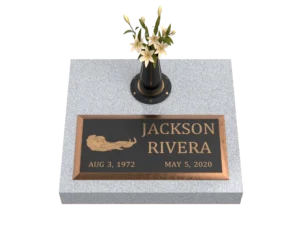
Bronze vase for headstone and keeping flowers where they belong
Wind. That is the enemy.
Anyone who has set fresh flowers at a flat grave knows the problem – by the next afternoon they are halfway across the section, tangled in someone else’s fence line. A bronze vase for headstone solves it, and it is one of the small things that changes how a grave feels through the year. The vase mounts to the granite base or sits in its own collar, and when it is not in use it inverts – turns down into a flush housing so the mowers pass clean over it. Then you flip it up, fill it, and the flowers stay put.
We cast the bronze vase for headstone to match the marker, same alloy, same patina path, so over time the metal ages together as one piece. Some families order two, one at each corner of a companion base, for that symmetry. Others keep one and rotate fresh stems for birthdays and holidays. A bronze vase for headstone is not required by most cemeteries, but the families who add one almost never regret it – it is the difference between a grave that looks tended and one that looks forgotten, even on the weeks nobody can visit. And the vase is cast right alongside the marker, so it ships and installs in the same trip rather than as some awkward retrofit later.
Bronze emblems for headstones and the symbols people choose
The emblem is usually the most personal inch of the whole marker.
We cast bronze emblems for headstones in a wide range – the praying hands, the cross, the Star of David, military branch seals for veterans, the Marine emblem and the Navy anchor and the rest, masonic symbols, a rose, a dove, a small lamb for a child. Firefighters and police get their own. Given that we run veterans and first responder discounts, a fair number of our bronze markers carry a service emblem in the corner, and there is something right about that – the symbol and the discount both saying the same thing, that the service mattered.
The emblem casts as part of the plate or mounts separately depending on the design. Either way it rises off the surface, catches light, and reads from a distance the way flat printing never could.
Headstones bronze and granite – how the two work together
People ask which is better, bronze or granite, and the honest answer is they are not really competing.
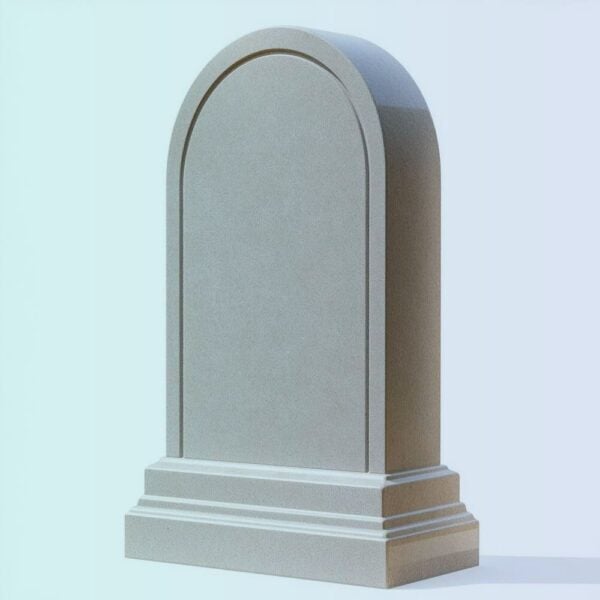
Headstones bronze and granite do different jobs. Granite is the body – the upright tablet, the base, the mass that says permanence. Bronze is the face – the warmth, the raised lettering, the emblem that catches the eye. In most flat-marker memorial parks you get both: a bronze plate on a granite base. In upright sections you might get pure granite, or granite with a bronze plaque set into it. We make all of it, and the configurator lets you mix – choose your granite color, choose your bronze finish, see them together before you decide. To me the best markers usually use both, each doing what it does best.
White bronze headstones and the older tradition
A little history, because it explains something you might see in old cemeteries.
Back in the late 1800s there was a fashion for white bronze headstones – which were not actually bronze at all, but cast zinc, with this distinctive bluish-grey color. Whole markers, sometimes tall ones, cast hollow. You still find them standing in historic cemeteries, often more readable than the marble stones around them, because zinc weathered better than anyone expected. We do not cast those old zinc monuments – almost nobody does anymore – but families ask about white bronze headstones after seeing one at a family plot, and the modern equivalent is a light-finished bronze or a pale granite that gets you close to that look without the fragility of the originals.
A bronze headstone with pictures you can see before you buy
You should never order a marker you have not seen. On every product page there is a bronze headstone with pictures of the real plate, the finishes, the emblems – not stock art. You build yours in the 3D preview, then stand it on the ground at full size with the AR view through your phone. The proportions, the patina, the way the light hits the raised letters. All of it before anything is cast.
Real stone, real metal, set by people who live where you do
A bronze marker that shows up in a box on your porch is one thing. One that we set on the grave for you is another.
Every cemetery has its rules – plate sizes, base dimensions, how flush it has to sit, whether a vase is allowed and how tall. Our crews contact the specific cemetery before anything is cast, confirm the section requirements, prepare the foundation, and install. Whether you are near our Sacramento or Carmichael showrooms, down in Houston or Allen, out in Edmond or Tulsa, over in Orlando, Roseland, Galloway, Lemont, or Los Angeles – same process, same people who know the local grounds. And for families across New York, Pennsylvania, North Carolina, South Carolina, Kansas, and Arkansas where we ship but do not yet have a storefront, the markers travel with full installation coordination so you are never left figuring out cemetery paperwork alone.
Bronze markers start higher than the simplest granite flats – the metal and the casting cost more than sandblasting stone – but a bronze headstone on a granite base lands in a range most families can plan for, and with 0% in-house financing up to 12 months, plus the veteran and first responder discounts, the cost spreads out without interest piling on. Pricing sits right on the product pages. No phone call required to see a number.
I think about the touching thing a lot, actually. How people reach for bronze in a way they do not always reach for stone. Maybe it is the warmth. Maybe it is that the raised letters feel like something you can read with your fingers. Either way – that is the moment we are really making. Not the marker. The moment someone stands there, years from now, and puts a hand on a name.
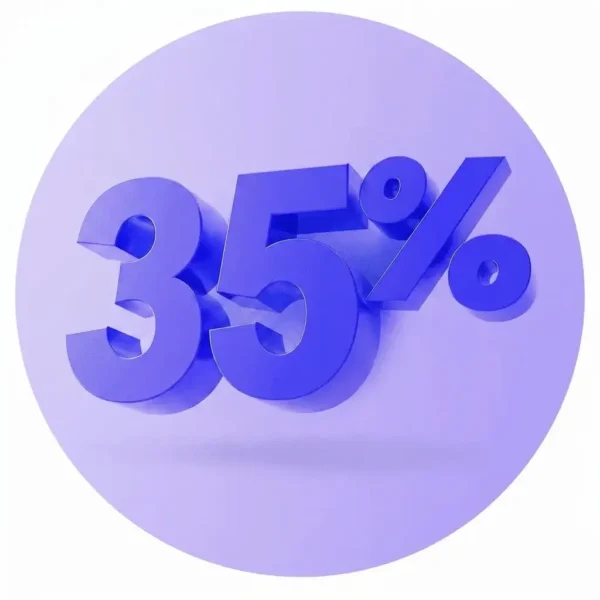
 SUMMER SALE — 35% OFF IN-STOCK PRODUCTS WITH FULL PAYMENT — PROMOTION EXTENDED THROUGH AUGUST 31!
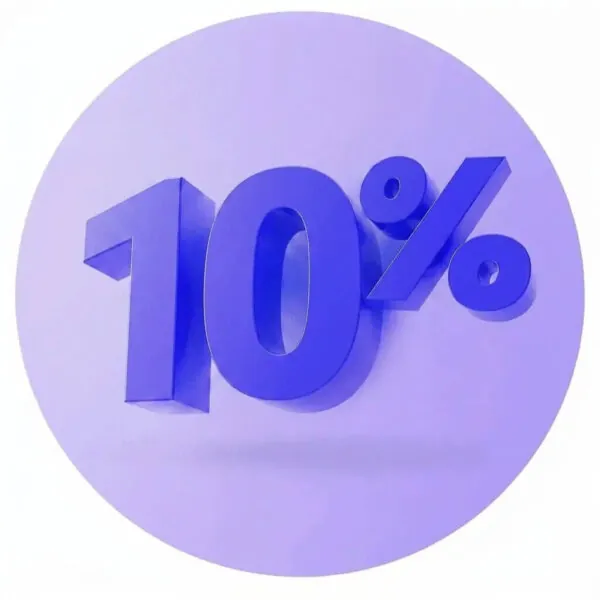
 10% OFF on installment plans
