





Headstone Installation Costs

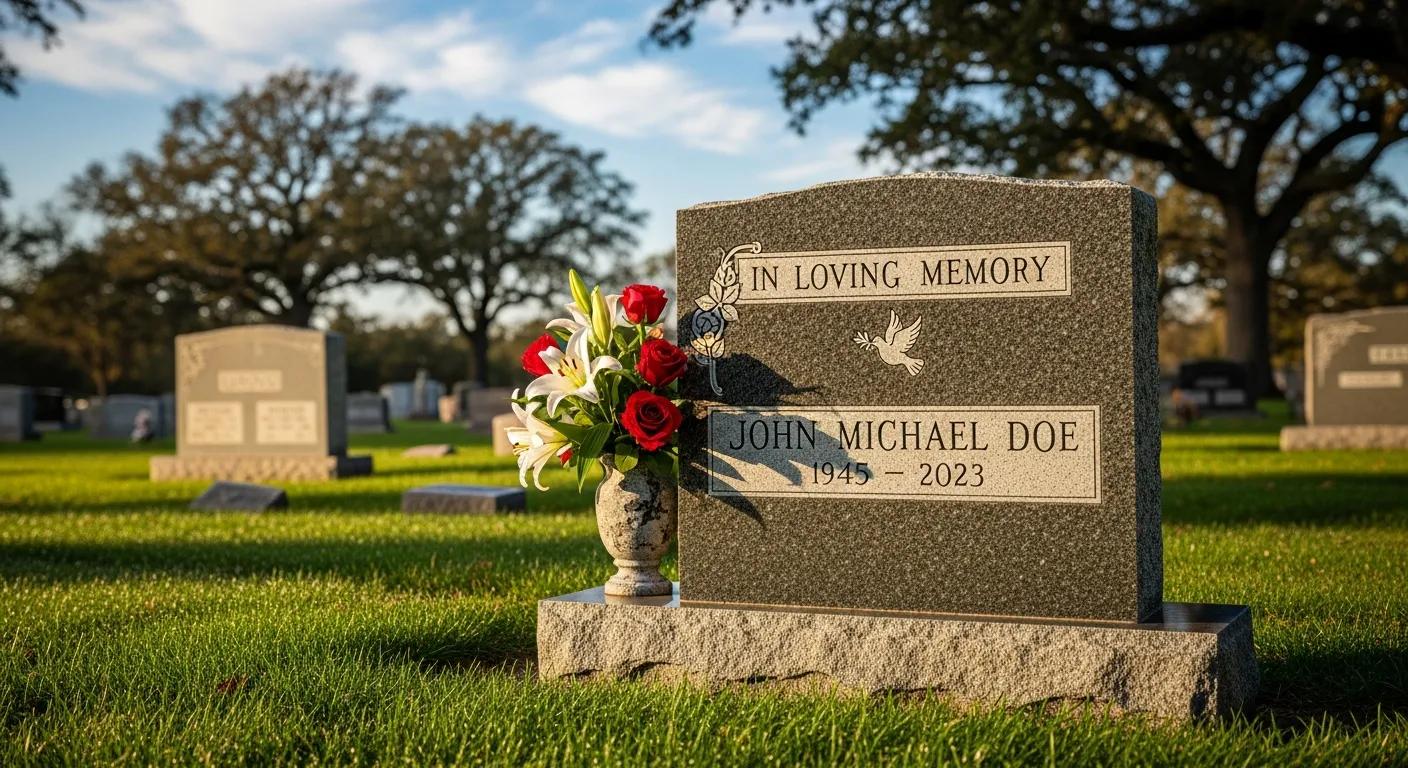
Knowing what headstone installation will cost helps you plan with confidence during a difficult time. This guide walks through the main cost drivers — material choices, cemetery fees, and installation steps — so you can make informed decisions. If you’d like hands-on support, Memory Stones US is here to help every step of the way.
What are the key factors that affect headstone installation costs?
Several elements influence the final price of installing a headstone. Understanding these will make it easier to set a realistic budget and pick options that match your priorities.
How do material choices change installation prices?
The material you choose has a big impact on cost, appearance, and long-term upkeep. See our collections to compare options like granite, marble, and bronze.
- Granite: Durable and available in many colors. Typical price range: $1,000 to $3,000.
- Marble: Often chosen for its classic look; price range: $1,000 to $3,000.
- Bronze: Frequently used for plaques and markers; price range: $1,000 to $2,500.
Granite is a popular, long-lasting choice — but its production affects both cost and the environment.
Granite — material costs and environmental impact
Construction materials account for a large share of environmental impact (48–87%) in sidewalk life‑cycle studies, where the granite top layer is a principal contributor. Although granite may represent roughly 30% of the total construction material weight, a granite sidewalk can have from 25% to 140% higher environmental impact than a comparable concrete one. The energy needed to produce and finish slabs drives much of that effect: electricity and diesel used for cutting and moving stone represent more than 70% of granite’s environmental burden.
Life cycle assessment of granite application in sidewalks, JM F. Mendoza, 2012
Your material choice affects upfront cost and future maintenance — both worth considering when planning a lasting tribute.
How do size and design complexity change installation fees?
Size and design details also shape the total cost.
- Size categories: Standard sizes are usually less expensive; larger or custom dimensions increase material and installation costs.
- Design details: Simple, classic designs keep costs down. Intricate carvings, custom shapes, or detailed engravings can add hundreds or even thousands to the final price.
Balancing aesthetics and budget up front helps prevent surprises later.
What cemetery fees should you expect when installing a headstone?

Besides the headstone itself, cemeteries commonly charge permit, foundation, and administrative fees. These help ensure installations meet site rules and remain safe over time.
What are typical permit and foundation-setting fees?
Cemetery rules vary, so expect some range in these costs.
- Permit fees: Usually between $50 and $300, depending on the cemetery.
- Foundation setting fees: Pouring and setting a concrete foundation typically runs $300 to $700, depending on headstone size and cemetery requirements.
These charges cover the work needed to install the memorial safely and according to local regulations.
How do perpetual care and administrative charges affect the total cost?
Some cemeteries include ongoing or one-time charges for care and record-keeping.
- Perpetual care: Often a one-time fee of about $100 to $500 to help maintain the grounds; it’s not usually billed annually.
- Administrative charges: Fees for paperwork and record-keeping commonly range from $50 to $150.
Factor these costs into your budget so the site stays cared for over the years.
What is the typical headstone installation process?
Professional installation follows a few predictable steps to make sure the memorial is secure, level, and compliant with cemetery rules.
What are the step-by-step stages of professional installation?

Most professional installations include these stages:
- Preparation: Obtain permits and prepare the site.
- Foundation pouring: A concrete foundation is poured to support the marker.
- Headstone placement: The stone is set, leveled, and secured on the foundation.
- Final inspection: A final check ensures the installation meets cemetery standards and our quality expectations.
Each step helps protect the memorial against settling or damage over time.
How do site preparation and foundation work affect cost and quality?
Good site work pays off. Proper grading and a solid foundation prevent shifting, tilting, or costly repairs later.
- Importance of site prep: Level, stable ground prevents future movement and preserves the memorial’s appearance.
- Cost implications: Skimping on preparation can mean more expense later if a foundation must be redone or the stone repaired.
Investing in quality installation now reduces the chance of avoidable problems in the future.
How does Memory Stones US handle headstone installation and pricing?
Memory Stones US offers installation services designed to make the process straightforward and respectful, so families can focus on remembrance while we manage logistics and quality.
What installation packages and warranty options does Memory Stones US offer?
We provide tiered installation packages to match different needs and budgets.
- Standard package: Basic installation with a one‑year warranty.
- Premium package: Extended warranty plus additional customization choices.
- Lifetime warranty: Available on select packages for long-term peace of mind.
Each package is built to support families through the selection, delivery, and installation process.
How does Memory Stones US coordinate cemetery rules and delivery?
We handle the paperwork and logistics so you don’t have to.
- Cemetery regulations: Our team verifies local guidelines and ensures installations comply with cemetery requirements.
- Delivery coordination: We manage transport and scheduling so the headstone arrives and is installed on time.
That coordination helps avoid delays and ensures a respectful installation.
What’s the difference between DIY and professional headstone installation?
Some families consider installing a memorial themselves to save money. It’s important to weigh the potential savings against the risks.
What are the risks and benefits of DIY installation?
DIY can offer labor savings, but it comes with responsibilities and potential pitfalls.
- Cost savings: Installing the marker yourself may reduce labor costs.
- Potential risks: Incorrect installation can cause damage or instability, leading to extra repair costs or cemetery violations.
Carefully consider your skills, the cemetery’s rules, and long-term implications before choosing DIY.
Why is professional installation recommended?
Professionals bring experience, tools, and knowledge of cemetery rules.
- Expertise: Trained crews ensure correct placement, leveling, and anchoring.
- Quality assurance: Reputable providers often include warranties and follow-up support, giving families confidence that the memorial will last.
For most families, professional installation reduces stress and guards against avoidable issues.
How do you navigate cemetery regulations and permits?
Cemetery rules can differ widely. Knowing the common restrictions and permit steps will make the process smoother.
What restrictions do cemeteries commonly have on size, material, and design?
Many cemeteries set limits to keep plots consistent and manageable.
- Size limits: Cemeteries often specify maximum dimensions for headstones.
- Material restrictions: Some sites allow only certain materials, like granite or bronze, to match the grounds.
Checking these rules early avoids delays or redesigns.
How do you obtain permits and comply with cemetery rules?
Follow these basic steps to get permission and avoid surprises:
- Contact the cemetery: Ask for their current installation requirements and permit application.
- Submit the application: Complete any required forms and provide design specifications.
- Follow up: Confirm approvals before the installation date.
Staying in close communication with the cemetery keeps the process on track.
Different materials and their costs can vary significantly, affecting your overall budget for a headstone.
| Material | Average Cost Range (USD) | Durability | Maintenance Needs |
|---|---|---|---|
| Granite | $1,000 – $3,000 | High | Low |
| Marble | $1,000 – $3,000 | Medium | Medium |
| Bronze | $1,000 – $2,500 | High | Low |
In short, understanding materials, cemetery fees, and installation steps helps you make thoughtful choices. Memory Stones US is available to support families through each stage, ensuring a dignified, lasting tribute.
Questions people often ask
What is the typical timeline for headstone installation?
Timelines vary by cemetery, design complexity, and material availability. Expect anywhere from a few weeks to a few months from order to completion. Permit approvals and custom work add time; the physical installation usually takes a day once everything is ready. Ask your provider for a timeline tailored to your order.
Are there extra costs for headstone maintenance?
Yes. Some materials, like granite, need little upkeep; others, such as marble, may require periodic cleaning or sealing. Cemeteries or third‑party services sometimes offer maintenance packages for cleaning, repairs, or landscaping, which can be billed annually. Include these potential expenses in your long‑term budget.
What should I think about when choosing a headstone design?
Consider the person you’re honoring, cemetery rules, and your budget. Think about size, shape, material, inscriptions, symbols, and how much upkeep the design will need. Simple designs tend to last with less care; detailed carving adds cost and may need more maintenance. Working with a professional can help you balance meaning and practicality.
Can I customize a headstone, and what limits apply?
Yes — most providers offer engraving, images, and custom shapes. Limits come from cemetery regulations on size, materials, and acceptable designs, plus any additional cost for special requests. Always confirm cemetery rules before finalizing custom work.
What environmental factors should I consider when choosing a headstone?
Material production has environmental impacts. Granite and marble require energy for quarrying and finishing, which contributes to carbon emissions. Choosing locally sourced stone or companies with sustainable practices can reduce the footprint. Ask suppliers about sourcing and production methods if sustainability is a priority.
How can I make sure my headstone is installed correctly?
Hire a reputable installer who understands cemetery regulations and proper foundation techniques. Verify that permits are secured, watch for proper site preparation and foundation pouring, and request a final inspection. A professional installation and documented inspection help ensure the memorial stays safe and level.
What should I do if issues arise after installation?
If the headstone shifts, sustains damage, or the inscription fades, contact the installer first — many companies offer warranties or repair services. Document the problem with photos and keep records of communications. If the provider is unresponsive, contact cemetery management for guidance or seek legal advice if necessary. Prompt action helps resolve problems more effectively.
Final thoughts
Knowing the costs and steps involved in headstone installation makes a difficult process a little easier. By weighing material choices, cemetery fees, and installation quality, you can plan a respectful and lasting memorial. Memory Stones US is ready to guide you through selections, paperwork, and installation so you can focus on honoring your loved one with care and dignity.



 SUMMER SALE — 35% OFF IN-STOCK PRODUCTS WITH FULL PAYMENT — PROMOTION EXTENDED THROUGH AUGUST 31!
 10% OFF on installment plans
