





Temporary vs Permanent Grave Markers Explained

Temporary vs Permanent Grave Markers

Choosing a grave marker is a deeply personal decision. This guide explains the key differences between temporary and permanent markers — the materials used, typical costs, and the cemetery rules that can affect your choice. Temporary markers provide an immediate way to identify and honor a grave. Permanent markers create a lasting tribute. Read on to learn how each option serves families and what to consider when deciding which is right for you.
Temporary Grave Markers: Purpose and when they’re used
Temporary grave markers are placed soon after burial to identify the grave until a permanent marker is ready. They give families a visible place to grieve and remember while plans for a long-term memorial are finalized. Most temporary markers are made from affordable, easy-to-install materials like plastic or metal so they can be replaced or upgraded later.
Materials commonly used for temporary markers

Temporary markers are made from several common materials:
- Plastic: Lightweight and budget-friendly, plastic markers are simple to install and resist many weather conditions.
- Metal: Aluminum or steel options last longer than wood and offer better durability in wet or windy conditions.
- Wood: Wood provides a natural look but will weather faster and may need replacement sooner.
Cardboard is not typically accepted in cemeteries because it deteriorates very quickly and offers little protection or permanence.
Each material balances cost, durability, and appearance. Plastic and metal tend to hold up to weather better than wood, though they won’t match the look or longevity of permanent stone or bronze markers.
How long do temporary markers usually last?
Longevity depends on the material and exposure. Plastic and metal markers can last from several months to a few years in many climates. Wooden markers may last a year or two but are prone to rot and damage from sun and rain. If you expect a longer wait before installing a permanent marker, choose a more durable temporary option or plan for replacement.
Permanent Grave Markers: Features and why families choose them
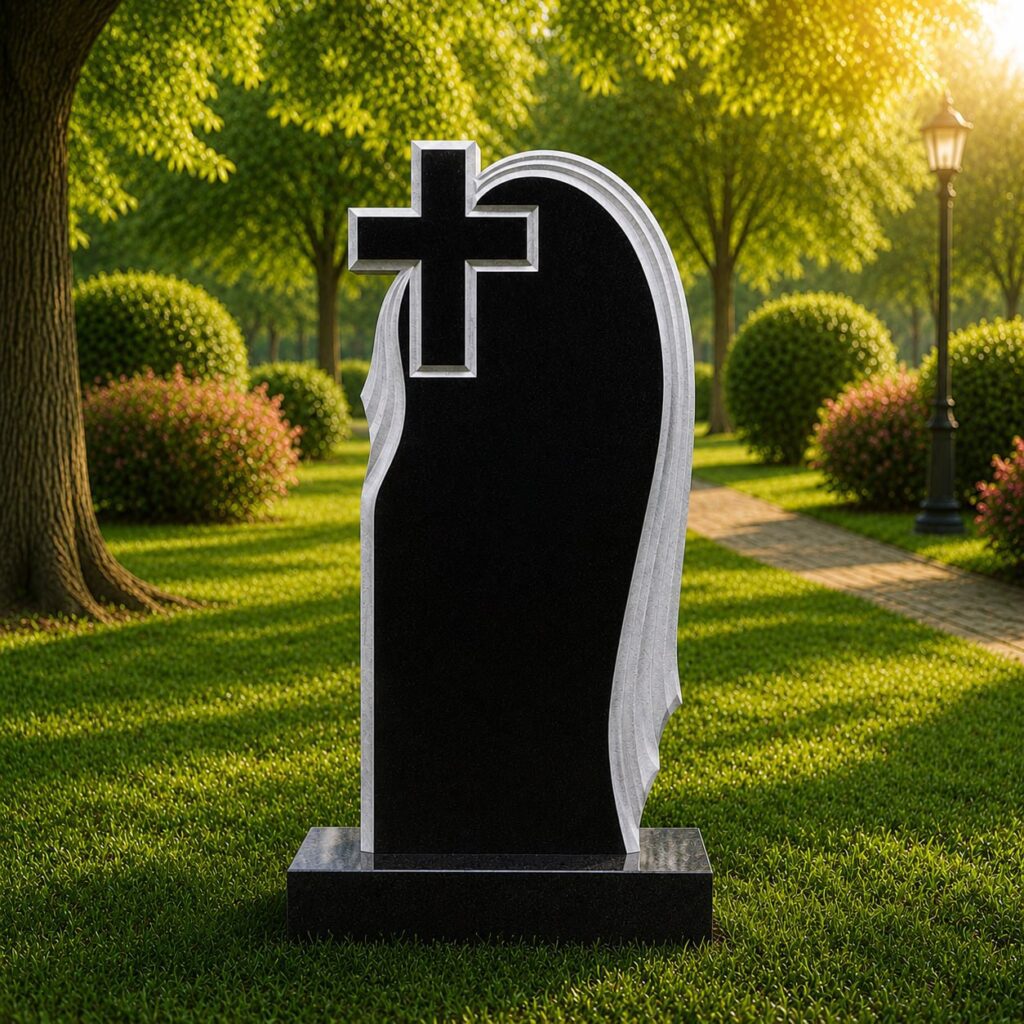
Permanent grave markers are built to last. Made from durable materials and designed for long-term display, these markers are often personalized to reflect a loved one’s life. Permanent options can be customized in style, inscription, and finish to create a meaningful, lasting memorial.
Common types and materials for permanent markers
Permanent markers are available in several time-tested materials:
- Granite: Extremely durable and available in many colors and finishes, granite is a top choice for lasting headstones.
- Bronze: Often paired with granite bases, bronze plaques and markers offer a classic, refined look and hold detailed engravings well.
- Marble: Marble has a beautiful appearance but is softer than granite and may require more upkeep over many years.
These materials provide the strength and longevity families expect from a permanent memorial while allowing for personalization that honors the deceased.
Durability: permanent markers versus temporary ones

Permanent markers are built for decades — often generations. Granite and bronze resist weathering and need only occasional cleaning. Temporary markers are intended for short-term use and will usually show wear much sooner. For many families, investing in a permanent marker ensures the memorial remains respectful and readable for years to come.
Comparing costs: temporary vs. permanent grave markers
Cost is a major factor when choosing a marker. Temporary markers are typically far less expensive and meet immediate needs. Permanent markers require a larger upfront investment but deliver long-term value and permanence. Consider both immediate budget constraints and the desired longevity of the memorial.
What affects the price of temporary markers?
Prices for temporary markers vary with several factors:
- Material: Plastic tends to be the least expensive. Metal options are usually pricier but more durable.
- Customization: A plain marker costs less; adding a name, dates, or a short message raises the price.
- Market demand: Prices can fluctuate seasonally or locally, particularly during peak periods for burials.
Understanding these points will help you plan for a temporary marker that fits your needs and budget.
What influences the cost of permanent markers?
Permanent marker prices depend on a few key elements:
- Material quality: Premium granite or bronze carries a higher price than more basic materials.
- Design complexity: Custom shapes, detailed engravings, and additional features increase cost.
- Installation fees: Some vendors or cemeteries charge separate fees for setting the marker in place.
When budgeting, include design choices and installation so there are no surprises.
Cemetery rules that affect temporary and permanent markers
Cemetery regulations determine what types of markers are permitted and how they must be installed. Checking these rules early avoids delays and ensures your marker meets size, material, and placement requirements.
How rules differ for temporary and permanent markers
Cemeteries often allow temporary markers for a limited time, usually until a permanent marker is installed. Some require temporary markers to be removed after a set period; others permit them to remain longer. Permanent markers face stricter rules about dimensions, materials, and mounting methods. Always confirm requirements with the cemetery before ordering.
Typical installation timeline for permanent markers
Installation times vary. Expect anywhere from a few weeks to a few months, depending on cemetery policies, ground settling requirements, and the complexity of the marker design. Communicate with the cemetery and your memorial provider so you know the expected schedule and can plan accordingly.
Choosing between temporary and permanent grave markers
Deciding between temporary and permanent markers comes down to timing, budget, and how you want to remember your loved one. Temporary markers offer immediate visibility; permanent markers create a long-lasting tribute. We recommend weighing short-term needs against long-term goals and checking cemetery guidelines before committing.
Key factors families should consider
When selecting a marker, think about:
- Budget: How much can you spend now versus what you want the memorial to be long-term?
- Personalization: How important is customized text, imagery, or a particular material in reflecting your loved one?
- Cemetery regulations: Will your chosen design, size, and material be allowed where the marker will be placed?
Balancing these factors helps you choose a marker that honors your loved one and meets practical needs.
How Memory Stones US can help with customization and financing
Memory Stones US offers a wide selection of granite headstones and memorial stones in many styles, sizes, and colors — including Sira Grey, Indian Black, Labradorite Premium, Bahama Blue, and Indian Red. We focus on personalized memorials backed by a lifetime warranty and offer financing options to ease the cost of a permanent marker. Visit our homepage or contact our team to discuss designs and payment plans.
Frequently Asked Questions
What should I do if my temporary grave marker is damaged or lost?
Contact cemetery management right away. They can explain replacement procedures and any rules about what’s allowed. If you have photos of the original marker, keep them for reference. You can replace it with a similar temporary marker or pick a sturdier option if installation of a permanent marker will take longer.
Can I customize a temporary grave marker?
Yes. Many temporary markers allow basic personalization like names, dates, and short messages. Options vary by supplier, so check what custom engraving or printing is available before you order.
Are there environmental considerations for grave markers?
Yes. Some families choose eco-friendly materials or biodegradable markers, and some cemeteries have green-burial sections with specific marker guidelines. Ask the cemetery about environmental policies and explore materials that match your values.
What maintenance do permanent grave markers need?
Permanent markers require minimal upkeep. Granite can be cleaned with mild soap and water when needed. Bronze may need specialized cleaners to maintain its finish. Periodically check for damage after severe weather and address any issues to keep the marker legible and stable.
How can I ensure my chosen marker complies with cemetery regulations?
Before ordering, consult cemetery management for rules on size, material, and design. Review written guidelines if available, and work with a reputable supplier familiar with cemetery requirements to avoid delays or revisions.
What financing options are available for a permanent grave marker?
Many providers, including Memory Stones US, offer financing plans, payment options, or partnerships with lenders to spread the cost of a permanent marker. Ask your supplier about available plans, terms, and any fees so you can choose the option that fits your budget.
Conclusion
Both temporary and permanent grave markers play important roles. Temporary markers provide an immediate place to remember, while permanent markers offer a lasting tribute. By considering materials, costs, cemetery rules, and how you want to honor your loved one, you can choose a marker that feels right for your family. Explore our customizable permanent marker options to find a durable, meaningful memorial that reflects the life you’re commemorating.






 SUMMER SALE - 35% OFF on everything
 10% OFF WITH INSTALLMENT PLANS
